Dental Practice Marketing Strategies
Introduction to Dental Marketing
Why Marketing Matters for Dentists
Running a successful dental practice requires more than just excellent clinical skills. In a competitive market, you need a plan to attract new patients and build lasting relationships with them. Marketing is the bridge between your high-quality care and the community you serve. It's how you communicate your value, build trust, and become the go-to practice in your area.
Think of it this way: a beautifully designed dental chair is useless without a patient sitting in it. Marketing helps you fill that chair by making sure potential patients know who you are, what you offer, and why they should choose you over another practice down the street.
Effective marketing isn't just about finding new patients; it's about helping the right patients find you.
The Marketing Mix
A helpful framework for thinking about your marketing strategy is the "marketing mix," often called the 4 Ps: Product, Price, Place, and Promotion. Getting these four elements right is fundamental to building a successful plan.
| P | Description in Dentistry |
|---|---|
| Product | The services you offer. This includes everything from routine cleanings and fillings to specialized procedures like orthodontics or cosmetic dentistry. It also covers the overall patient experience, from the moment they book an appointment to the follow-up care they receive. |
| Price | Your fee structure. This involves setting prices for your services, deciding which insurance plans to accept, and offering payment options. Your pricing should reflect the quality of your care and the value you provide. |
| Place | Where and how patients access your services. This includes your physical office—its location, accessibility, and atmosphere—as well as your online presence, like your website and social media channels. |
| Promotion | How you communicate with your target audience. This is the most visible part of marketing and includes activities like advertising, community outreach, patient referrals, and online content. |
Each of these elements influences the others. For example, offering a high-end cosmetic "product" means your "place" (office) should feel modern and comfortable, and your "price" should reflect that premium service.
Who Are Your Patients?
Before you can promote your practice, you need to know who you're talking to. You can't effectively market to everyone at once. Instead, successful practices identify their ideal patients, often called a "target audience." Are you focused on families with young children? Busy professionals seeking cosmetic treatments? Or perhaps older adults in need of restorative care?
Understanding your target audience allows you to tailor your services, messaging, and promotional activities to their specific needs and desires. A practice catering to children will have a very different waiting room and marketing approach than one specializing in dental implants.
Building Your Brand
Your brand is more than just a logo or a catchy name. It’s the overall perception and feeling that people have about your practice. It’s your reputation. A strong brand helps differentiate you from competitors and builds an emotional connection with patients, fostering loyalty and trust.
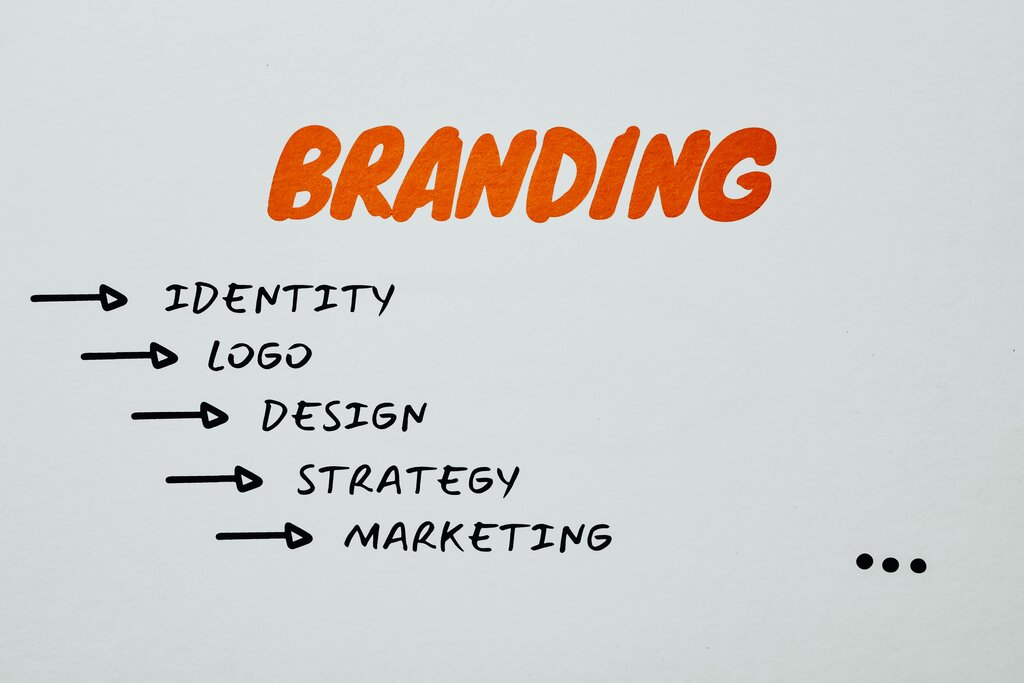
Key components of your brand identity include:
- Your Mission: Why does your practice exist? What is your core philosophy of patient care? A clear mission guides all your decisions.
- Visuals: This includes your logo, color scheme, office decor, and even the staff's uniforms. Consistency across all these elements creates a professional and memorable impression.
- Tone of Voice: How do you communicate? Is your practice's personality warm and friendly, or is it more formal and high-tech? This tone should be consistent on your website, in emails, and in how your staff answers the phone.
A strong brand consistently answers the question: "What is it like to be a patient here?"
With a clear understanding of your marketing mix, target audience, and brand identity, you have the foundation needed to build an effective marketing plan.
What is the primary role of marketing for a dental practice?
The marketing mix, often called the 4 Ps, consists of Product, Price, Place, and ____.