Dendritic Cells in Tumor Immunology
Specialized Subsets
Dendritic Cells: The Immune Conductors
Within the complex orchestra of the immune system, dendritic cells (DCs) are the conductors. They are the primary antigen-presenting cells (APCs) that process threats, like tumor cells, and present fragments of them to T cells, initiating a targeted adaptive immune response. But this isn't a one-size-fits-all job. The DC family is composed of specialized subsets, each with a distinct role in orchestrating the fight against cancer. The two main branches are conventional DCs (cDCs) and plasmacytoid DCs (pDCs), both originating from a common DC progenitor (CDP) in the bone marrow.
Conventional DCs: The Field Commanders
Conventional DCs are the frontline managers of the T cell response. They are divided into two main subtypes, cDC1 and cDC2, which have a clear division of labor.
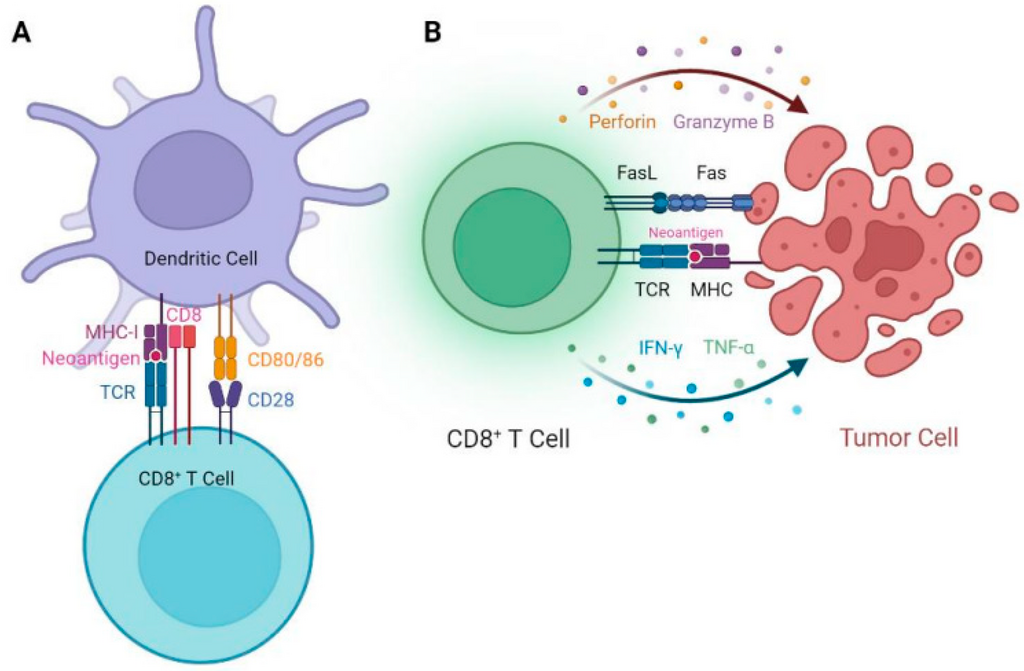
cDC1s are the elite trainers for the immune system's assassins: the CD8+ cytotoxic T cells.
Their specialty is a process called . Normally, cells present internal proteins on a molecule called MHC class I. But cDC1s can capture external antigens—like those from dead tumor cells—and load them onto their own MHC class I molecules. This allows them to activate naïve CD8+ T cells, which then mature into cytotoxic lymphocytes that can hunt down and kill cancer cells displaying that same antigen. The development and function of cDC1s are critically dependent on transcription factors like BATF3 and IRF8, which act as master switches for this lineage.
If cDC1s are training the snipers, cDC2s are rallying the ground troops. Their primary role is to activate CD4+ T helper cells. After processing tumor antigens, cDC2s present them on MHC class II molecules. This engages CD4+ T cells, which then differentiate into various helper subtypes (like Th1, Th2, or Th17) that direct and amplify the overall anti-tumor response by coordinating B cells, macrophages, and cytotoxic T cells. Their function is governed by a different set of transcription factors, including IRF4.
Recent research has uncovered even more complexity. A novel subset, often called , has been identified in tumors like breast and lung cancer. These cells share features with both monocytes and cDC2s and seem to be particularly adept at stimulating T cell activity, making them a hot topic in cancer immunology.
Plasmacytoid DCs: The Double Agents
Plasmacytoid DCs (pDCs) are the wild cards. Morphologically distinct, they look more like antibody-producing plasma cells than their branch-like conventional cousins. Their defining feature is the ability to produce massive amounts of Type I interferons (IFN-α/β) in response to viral or bacterial nucleic acids.
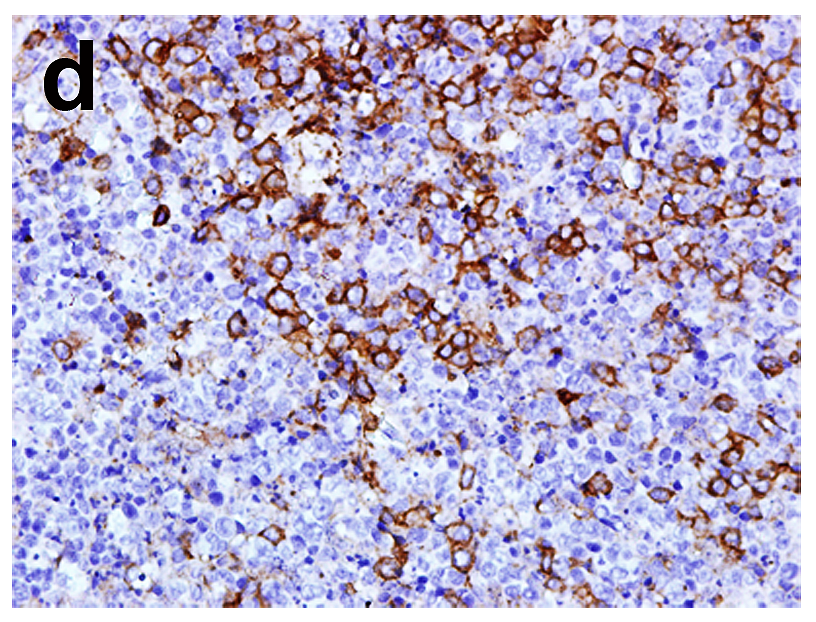
This interferon surge can be a powerful anti-tumor weapon. It acts as a widespread alarm, boosting the antigen-presenting capabilities of other DCs, enhancing the killing power of T cells and NK cells, and generally creating an inflamed, hostile environment for the tumor. When functioning this way, pDCs are heroes of the innate response.
However, the tumor microenvironment is a master of manipulation. Tumors can subvert pDCs, causing them to promote immune tolerance instead of activation. In this tolerogenic state, pDCs can suppress T cell function and promote the activity of regulatory T cells (Tregs), which actively shut down anti-tumor immunity. This dual role makes pDCs a complex target for cancer therapy; the goal is to harness their interferon-producing power while preventing their slide into a pro-tumor state.
The specialization of each DC subset is crucial. A successful anti-tumor response often requires a coordinated handoff: pDCs sound the initial alarm with interferons, cDC1s activate the killer T cells, and cDC2s recruit the helper T cells to sustain the attack.
What is the primary role of dendritic cells (DCs) in the context of anti-tumor immunity?
A cancer therapy aims to generate a powerful cytotoxic lymphocyte (killer T cell) response against tumor cells. Which DC subset is most critical for this task due to its unique ability to perform cross-presentation?
Understanding these distinct roles is key to developing next-generation immunotherapies that can precisely manipulate the immune system to recognize and eliminate cancer.