Denali National Park Family Adventure
Understanding Denali National Park
Welcome to Denali
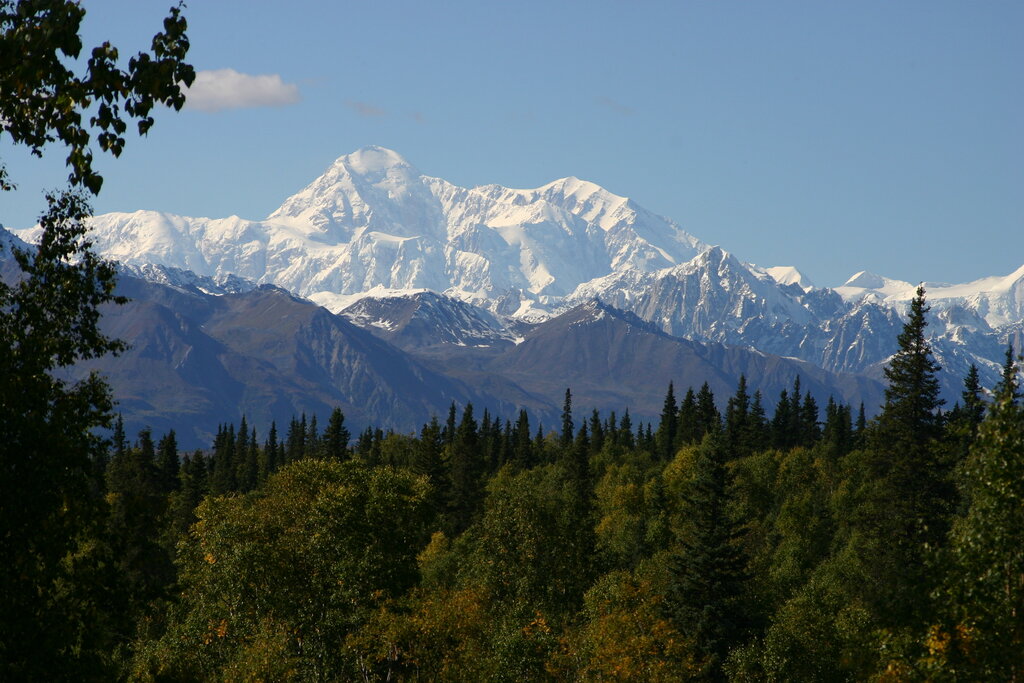
Denali National Park is a vast wilderness, spanning six million acres of untamed Alaskan landscape. At its heart stands Denali, the tallest peak in North America, reaching an elevation of 20,310 feet (6,190 meters). It's a place of immense scale and raw beauty.
Unlike many other national parks, Denali has just one road. This 92-mile ribbon of gravel, the Denali Park Road, is the main artery for visitors. Private vehicles are only allowed on the first 15 miles. Beyond that point, access is primarily by tour and transit buses. This system helps preserve the park’s wild character, minimizing human impact and maximizing opportunities for wildlife viewing in a natural state.
A Land of Extremes
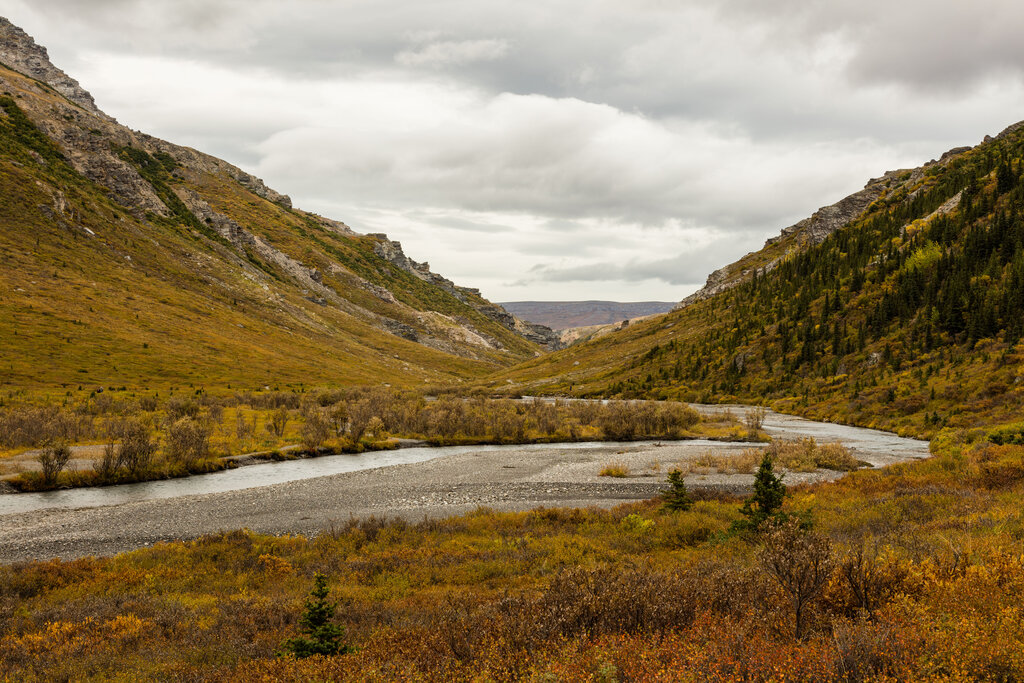
The park's geography is a dramatic mix of ecosystems, shaped by a subarctic climate. Summers are short and cool, with daylight lasting nearly around the clock. Winters are long, dark, and intensely cold, with temperatures often dropping far below freezing.
The landscape changes dramatically with elevation. The lowest areas are covered by taiga, or boreal forest, filled with spruce and willow. As you climb higher, the trees give way to alpine tundra, a rolling expanse of low-lying shrubs, mosses, and wildflowers. The highest elevations are a stark world of rock, snow, and glaciers, where only the hardiest life forms can survive.
Denali's Big Five
Denali is famous for its wildlife. Many visitors hope to see the "Big Five": grizzly bears, moose, caribou, Dall sheep, and wolves. The open tundra landscape makes them easier to spot than in more densely forested parks.
Grizzly bears are often seen foraging for roots or berries on the tundra. Moose, the largest members of the deer family, are typically found in the forested areas or near ponds and streams. Caribou travel in herds across the vast open spaces, while graceful Dall sheep navigate the steep, rocky mountain slopes with incredible agility. Wolves are the most elusive of the five, but lucky visitors might spot a pack loping across the tundra.
Visiting with Little Explorers
Bringing a young child to a place as wild as Denali requires some special planning. The weather can change in an instant, even in summer, so dressing in layers is essential. A warm hat, gloves, and a waterproof outer layer are must-haves for everyone, including toddlers.
The bus tours are the primary way to see the park, but they can be long. The shortest narrated tour is typically 4-5 hours. Consider your child's temperament. If they get restless, a non-narrated transit bus might be a better option, as it allows for more flexibility to get off and explore at designated stops before catching a later bus back.
Keep snacks and water readily available, as there are no food services deep inside the park. The park is also buggy, especially in early summer, so insect repellent is crucial for a comfortable experience. Most importantly, remember that all animals are wild. Always maintain a safe and respectful distance, for both your family's safety and the animals' well-being.
Key takeaway: When visiting Denali with kids, pack for all weather, plan for long bus rides, and always keep a safe distance from wildlife.
What is the most prominent geographical feature of Denali National Park?
How far are private vehicles permitted to drive on the Denali Park Road?
Denali offers an unforgettable adventure into one of North America's last great wildernesses. With a bit of preparation, it's an incredible experience for the whole family.