Demystifying the Stock Market for Smarter Investing
Stock Market Basics
What Is the Stock Market?
The stock market is essentially a giant, organized marketplace. But instead of selling fruits or antiques, it's where pieces of companies are bought and sold. These pieces are called stocks, or shares. When you buy a stock, you're purchasing a small fraction of ownership in a public company.
Owning one share of Apple doesn't mean you can walk into their headquarters and start giving orders, but it does mean you own a tiny slice of the business.
Why does this marketplace exist? Companies sell stocks to raise money, which they can use to grow their business, develop new products, or expand into new areas. On the other side, people buy stocks hoping that the company will do well, causing the value of their ownership slice to increase over time.
Where Stocks Are Born and Traded
Stocks have a life cycle that unfolds across two distinct types of markets: the primary market and the secondary market.
Think of it like buying a brand new car versus a used one. The primary market is the dealership selling a car for the very first time. The secondary market is where car owners sell their vehicles to each other.
The primary market is where new stocks are created and sold for the first time. This happens through a process called an Initial Public Offering, or IPO. A private company decides to "go public" by offering shares to investors. The money from this sale goes directly to the company.
The secondary market is what most people are talking about when they mention the stock market. It's where investors buy and sell stocks from one another. The company whose stock is being traded isn't directly involved in the transaction; the money simply moves between investors.
| Feature | Primary Market | Secondary Market |
|---|---|---|
| What Happens | New stocks are issued | Existing stocks are traded |
| Who Gets the Money | The company selling its shares | The investor selling their shares |
| Key Event | Initial Public Offering (IPO) | Daily trading |
| Participants | Company & initial investors | Investors & traders |
Most of the action you see on the news, with stock prices rising and falling, happens in the secondary market.
The Players and The Places
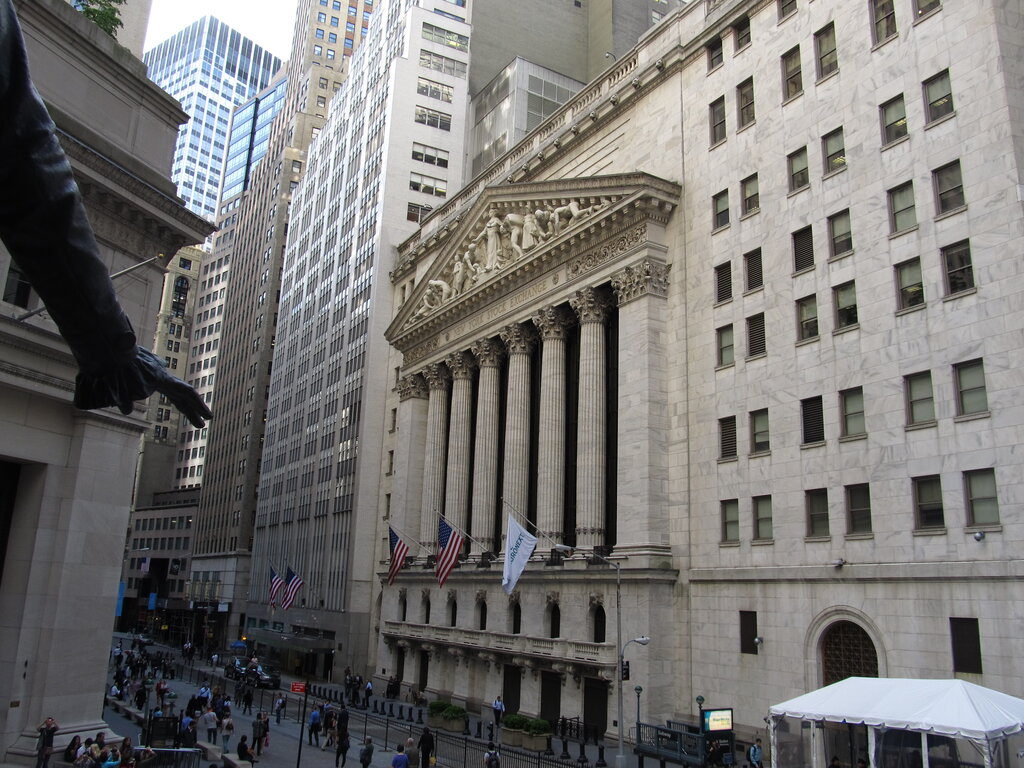
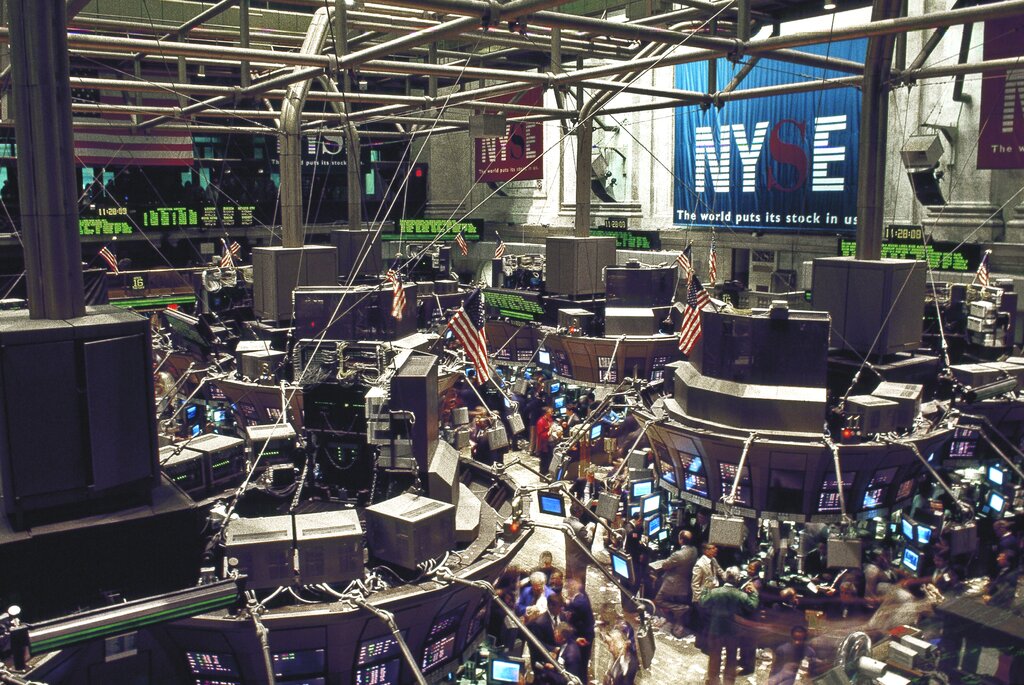
The stock market isn't a single building but a network of exchanges where trading happens. Two of the most famous are the New York Stock Exchange (NYSE) and the Nasdaq.
- NYSE: This is an auction market. Buyers and sellers submit competitive bids. A designated market maker at a physical trading post facilitates the transaction by matching the highest bid price with the lowest selling price.
- Nasdaq: This is a dealer's market. All trades are executed through dealers, known as market makers, rather than through a direct auction. It's an electronic exchange with no physical trading floor.
Within these markets, there are several key participants.
Investor
noun
An individual or institution that commits money to an investment product with the expectation of financial return.
Investors are the people and institutions (like pension funds) buying and selling stocks. They provide the capital that fuels the market.
Brokers are the intermediaries. In the past, you needed to call a stockbroker to place a trade. Today, most investors use online brokerage firms like Fidelity or Charles Schwab to buy and sell stocks with the click of a button.
Market Makers are firms that stand ready to buy or sell a particular stock on a regular and continuous basis at a publicly quoted price. They are crucial for ensuring there's always a market for a stock, making trading smoother and more efficient. They literally "make a market" for a stock.
Let's review the main concepts before we wrap up.
Ready to test your knowledge?
What is the primary purpose of the stock market's primary market?
What is a key difference between the New York Stock Exchange (NYSE) and the Nasdaq?
Understanding these core components—what a stock is, where it's traded, and who the key players are—provides a solid foundation for learning more about the world of investing.