Demystifying the Project Management Plan
Introduction to Project Management Plans
The Blueprint for Success
Every project, whether it's building a bridge or launching a new app, needs a roadmap. This roadmap is the Project Management Plan, often called the PMP. It's the central document that explains how a project will be executed, monitored, and controlled. Think of it as the master blueprint for a construction project. It doesn't just show the final building; it details every step, from laying the foundation to installing the windows.
A project plan is a structured document that outlines the objectives, scope, timeline, resources, risks and responsibilities needed to complete a project.
The primary purpose of the PMP is to create a single, shared understanding among everyone involved. It ensures that the project team, stakeholders, and sponsors are all on the same page about what the project aims to achieve and how it will get there. This alignment is crucial for preventing misunderstandings and keeping the project on track.
Why It Matters
A well-crafted Project Management Plan is more than just paperwork. It's a vital tool for guiding the team through the complexities of a project. During execution, when unexpected challenges arise, the PMP serves as a reference point. It helps the team make informed decisions that align with the project's original goals and constraints.
Without this guiding document, a project can easily drift off course. Tasks might be forgotten, budgets can spiral, and deadlines can be missed. The PMP provides the structure needed to manage the work systematically and proactively address issues before they become major problems.
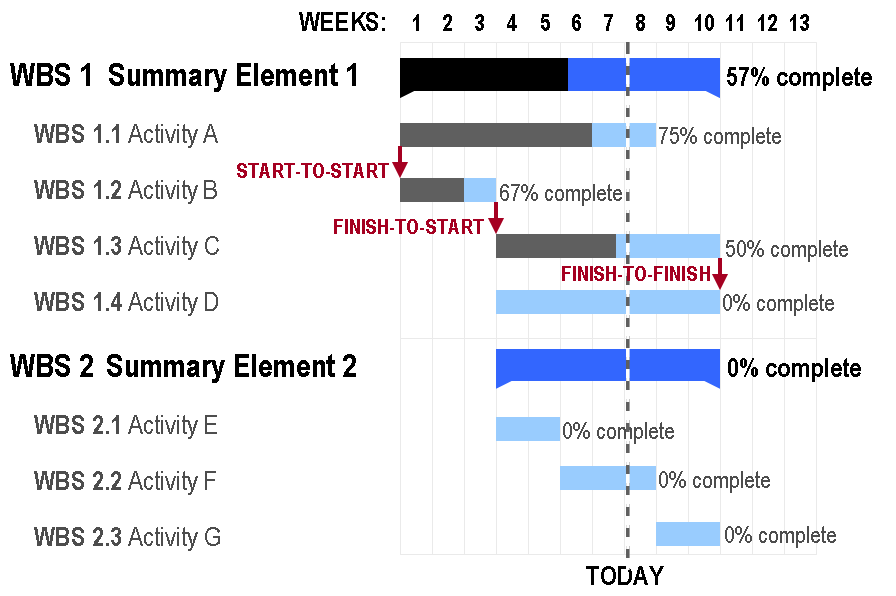
The plan is also the cornerstone of communication. It provides a clear and consistent message to stakeholders—the people who have an interest in the project's outcome. By outlining the scope, schedule, and budget, the PMP manages expectations and builds confidence. It answers key questions stakeholders will have, such as "What will we get?", "When will it be done?", and "How much will it cost?" Regular updates on progress, measured against the plan, keep everyone informed and engaged.
A good plan gives stakeholders a clear, consistent understanding of the project from the very beginning.
What's Inside a PMP
A Project Management Plan isn't a single document. It's a collection of smaller, subsidiary plans that cover different aspects of the project. While the specific components can vary depending on the project's size and complexity, they typically address the core areas of management.
| Plan Component | What It Covers |
|---|---|
| Scope Management | Defines what is and is not included in the project. |
| Schedule Management | Outlines the project timeline and key milestones. |
| Cost Management | Details how the budget will be planned and controlled. |
| Quality Management | Sets the quality standards for the project deliverables. |
| Resource Management | Identifies the team and physical resources needed. |
| Communications Management | Establishes how, when, and to whom information will be shared. |
| Risk Management | Describes how potential project risks will be identified and handled. |
| Procurement Management | Manages the purchasing of goods and services from outside vendors. |
| Stakeholder Management | Outlines strategies for engaging with project stakeholders. |
Each of these components provides detailed guidance for its specific area. Together, they form a comprehensive, integrated plan that directs all project work.
What is the primary purpose of a Project Management Plan (PMP)?
A Project Management Plan is best described as a single document containing only the project's final deadline.
This plan isn't created once and then forgotten. It's a living document that is updated and refined as the project progresses and as more information becomes available. This adaptability ensures it remains a relevant and useful tool throughout the project's lifecycle.