Demystifying Scientific Papers
Understanding Scientific Papers
The Anatomy of a Research Paper
Reading a scientific paper for the first time can feel like trying to understand a foreign language. The text is dense, the charts can be confusing, and it's hard to know where to start. But once you understand the underlying structure, it all becomes much clearer.
Scientific papers can seem complicated, but they usually follow a similar template.
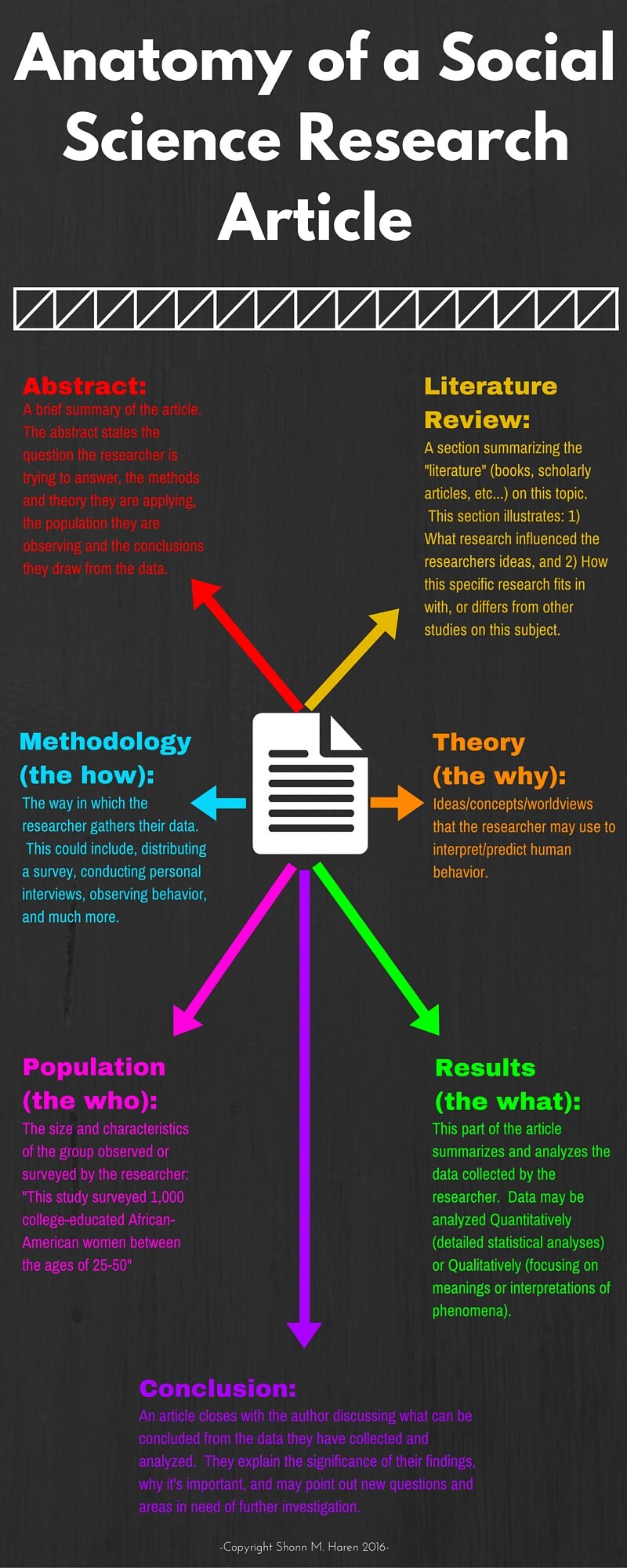
Most research articles in science and social science follow a specific format. This standard structure makes it easier for readers to find the information they're looking for, regardless of the topic. It’s called the IMRaD format, and it acts as a roadmap for the research journey.
Meet IMRaD
IMRaD is an acronym that stands for the four main sections of a scientific paper. Think of it as the basic story arc of the research.
| Section | Question it Answers |
|---|---|
| Introduction | What was the problem or question? |
| Methods | How did the researchers study it? |
| Results | What did they find? |
| Discussion | What do the findings mean? |
Each section has a specific job to do. Let’s break them down one by one.
The Core Sections
Introduction: Why This Study?
The introduction sets the stage. It starts broad by giving background information on the topic, explaining what is already known. Then, it narrows down to identify a gap in that knowledge, a problem that hasn't been solved, or a question that hasn't been answered. This section ends by stating the specific research question or hypothesis the authors set out to investigate.
The introduction tells you why the research was necessary and what the authors hoped to find out.
Methods: How They Did It
The methods section is the recipe of the paper. It provides a detailed account of how the research was conducted. This includes the materials used, the design of the experiment, the procedures followed, and the statistical tests used to analyze the data.
The goal here is transparency. A well-written methods section should give other researchers enough information to replicate the study and verify the findings. You don’t always need to read this section in detail on your first pass, but it's crucial for understanding the study's validity.
Results: What They Found
This is the most straightforward section. The results section presents the findings of the study without any interpretation. It's a direct report of the data collected, often summarized in tables, graphs, and charts. The text in this section simply describes these findings, pointing out key data points and statistical outcomes.
Think of the results section as pure information: the “what” without the “so what.”
Discussion: What It All Means
If the results section is the “what,” the discussion is the “so what.” Here, the authors interpret their findings and explain their significance. They’ll connect the results back to the research question from the introduction, explaining whether their hypothesis was supported.
This section also addresses any limitations of the study, discusses how the findings fit in with previous research, and often suggests directions for future studies. It's where the authors make their case for what their work contributes to the field.
The Bookends
While IMRaD forms the body of the paper, there are two other key parts that frame it: the abstract and the conclusion.
Abstract
noun
A brief summary of the entire article, including the research question, methods, key findings, and main conclusions.
The Abstract appears at the very beginning of the paper. It's a condensed version of the full article, usually about 150-250 words. It provides a quick overview so you can grasp the paper's main points without reading the whole thing.
The Conclusion wraps everything up. It is often the final part of the Discussion section. It summarizes the key takeaways of the research and reinforces the main message of the paper. It answers the question, "What is the one thing you should remember from this study?"
Understanding this IMRaD structure transforms how you read scientific papers. Instead of a wall of text, you can see a logical flow: a question is posed, a method is described, results are presented, and the meaning is discussed. It's a powerful tool for navigating the world of research.
What does the acronym IMRaD stand for in the context of a scientific paper?
If you want to understand how a study was conducted in enough detail to potentially replicate it, which section should you read?