Demystifying Scientific Papers
Scientific Paper Structure
The Anatomy of a Research Paper
Scientific papers can look intimidating, but they almost always follow a standard structure. Once you understand this blueprint, you can read them much more efficiently. Think of it like a roadmap that guides you through the research from start to finish.
This common structure is often called IMRaD, which stands for Introduction, Methods, Results, and Discussion. Before we dive into those core parts, let's start with the section you'll see first.
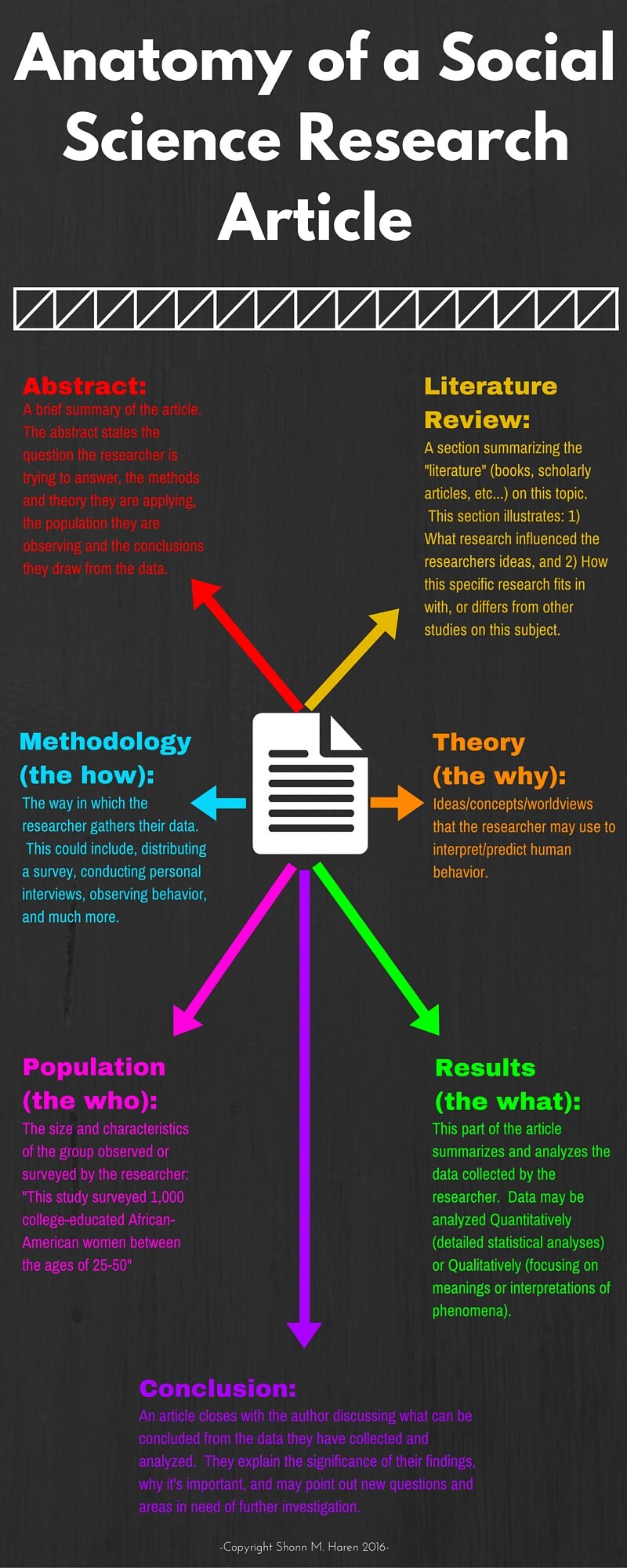
The Abstract
The abstract is a short, powerful summary of the entire article. It's usually just one paragraph long. Its purpose is to give you the highlights of the research so you can quickly decide if the full paper is worth your time.
A good abstract tells you the research question, the methods used, the key findings, and the main conclusion. It’s the entire paper in miniature.
The Core Sections: IMRaD
Now for the main body of the paper. The IMRaD format organizes the research into a logical story.
Logical flow in the main sections of a scientific article is achieved by presenting the whole story of the article sequentially in the introduction, methods, results, and discussion, focusing attention on the most important points in each section, and connecting all of these to the main purpose of the study.
Introduction: Why was this study done? The introduction sets the scene. It starts with broad background information to bring you up to speed on the topic. Then, it narrows down to the specific problem the researchers are addressing. It explains what we already know, what we don't know, and why it's important to find out. The introduction always ends by stating the specific research question or hypothesis.
Methods: How was the study done? This section is the recipe for the research. It describes exactly what the researchers did, step-by-step, so that another scientist could theoretically repeat the experiment. It details the materials used, the procedures followed, and how the data was collected and prepared for analysis. For a study on a new drug, this section would describe the participants, how they were divided into groups, and the dosage they received.
Results: What did they find? The results section presents the findings of the study without any interpretation. It’s a straightforward, factual account of the data that was collected. This information is often displayed in figures, tables, and graphs to make it easier to understand. The text in this section will guide you through those visuals, pointing out the key data points.
Discussion: What does it all mean? Here, the authors finally get to interpret their findings. They explain what the results mean in the context of their research question and the broader field. They'll often start by summarizing the most important findings. Then they'll compare their results to previous studies, discuss the limitations of their own study, and suggest what the implications are or what future research should be done. The discussion is where the story of the research comes together.
Let's check your understanding of a research paper's structure.
What does the acronym IMRaD, which describes the common structure of a scientific paper, stand for?
If you wanted to replicate an experiment, which section of the paper would provide the detailed, step-by-step 'recipe' you would need to follow?
Understanding this IMRaD structure gives you a mental map to follow when tackling any scientific paper, helping you find the information you need quickly and efficiently.