Demystifying Scientific Literature
Introduction to Scientific Papers
The Anatomy of a Research Paper
Scientific papers can seem intimidating, but they aren't random collections of jargon and data. They follow a clear, logical structure to tell a story about a discovery. Think of it as a universal blueprint that researchers use to share their work. This blueprint helps readers quickly understand what was studied, how it was done, what was found, and what it all means.
The most common structure is known by the acronym IMRAD: Introduction, Methods, Results, and Discussion.
Understanding this format is the key to reading scientific literature efficiently. Once you know what to expect in each section, you can navigate any paper with confidence.
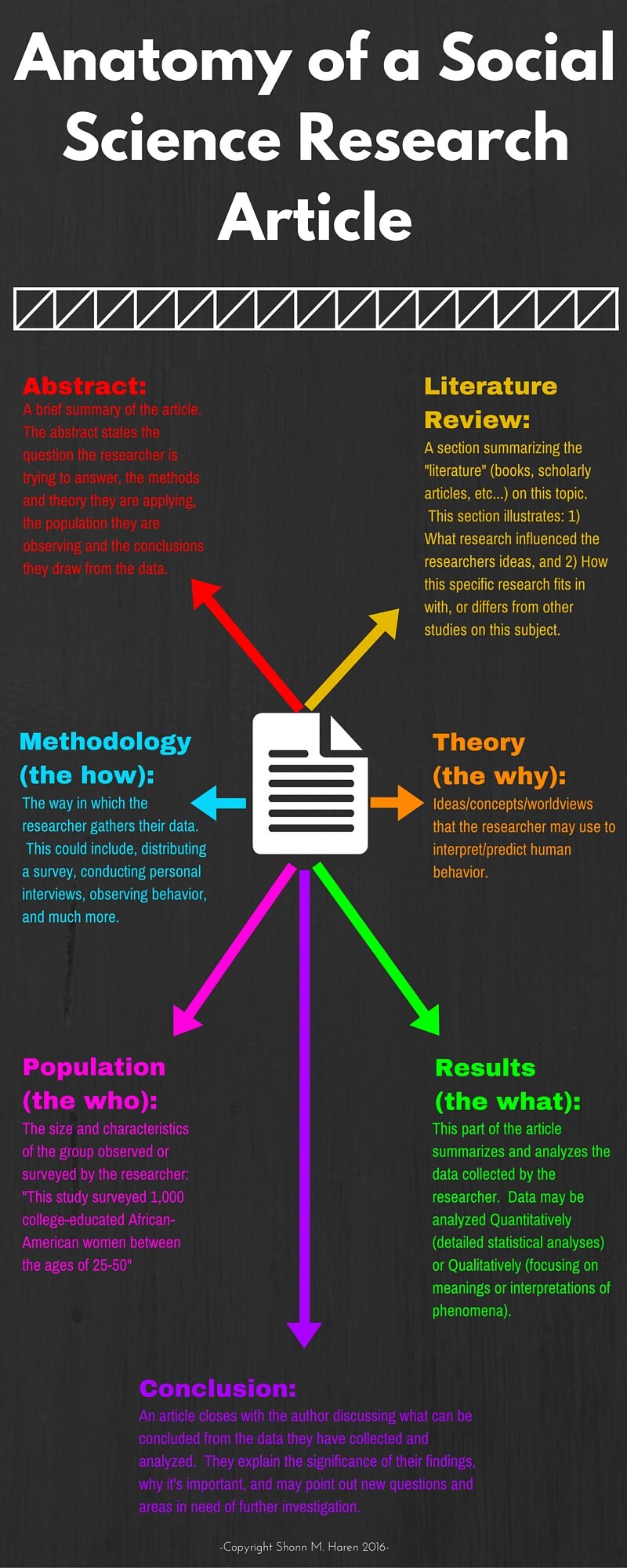
Introduction: Setting the Stage
The introduction answers the question: Why did you do this research?
It starts broad by providing the background information a reader needs to understand the topic. It's like the opening scene of a movie, setting the context. The authors will summarize what's already known about the subject and then pinpoint a gap in that knowledge, a question that hasn't been answered.
Finally, the introduction clearly states the paper's specific research question or hypothesis. It essentially presents the problem the researchers set out to solve. After reading it, you should know exactly what the rest of the paper is about.
The introduction lays out the problem. It moves from general background to a specific question.
Methods: The How-To Guide
The methods section answers the question: How did you do it?
This is the recipe of the study. It provides a detailed, step-by-step description of the experiments or procedures. The goal is to give other scientists enough information to be able to replicate the study exactly. This is a cornerstone of science, reproducibility ensures that findings are reliable and not just a fluke.
Here, you'll find details about the participants or subjects, the equipment used, and the precise sequence of actions taken to gather data. It should be a clear, straightforward account of the research process.
Results: Just the Facts
The results section answers the question: What did you find?
This section presents the data collected during the study, plain and simple. It's the most objective part of the paper, reporting the findings without any interpretation or explanation. The information is often presented visually through graphs, charts, and tables to make complex data easier to understand.
The text in this section will guide you through these visuals, pointing out the key findings. It states what happened in the experiment, but it doesn't yet explain why it might have happened or what it means.
The results section is a straightforward report of the data. It presents the raw findings of the study.
Discussion: What It All Means
The discussion section answers the big question: So what?
This is where the authors interpret their results. They explain what their findings mean and how they relate back to the original question posed in the introduction. They'll compare their results to those of previous studies, highlighting what is new or different about their work.
This section is also where researchers acknowledge any limitations of their study. No study is perfect, and being transparent about potential weaknesses is a sign of good research. Finally, the discussion often suggests directions for future studies, pointing out the next questions that need to be answered.
Now that you understand the IMRAD structure, let's test your knowledge.
If a scientist wanted to repeat an experiment exactly as the original authors did, which section of the paper would they consult for detailed, step-by-step instructions?
The primary purpose of the Results section is to interpret the data and explain what it means.
By understanding this fundamental structure, you're now better equipped to read and understand scientific research.