Demystifying Scientific Literature
Understanding Scientific Papers
The Anatomy of a Research Paper
Scientific papers can feel dense and intimidating, but they almost always follow a predictable pattern. This structure makes it much easier to find the information you need once you understand the layout. It’s like knowing the floor plan of a house before you walk in.
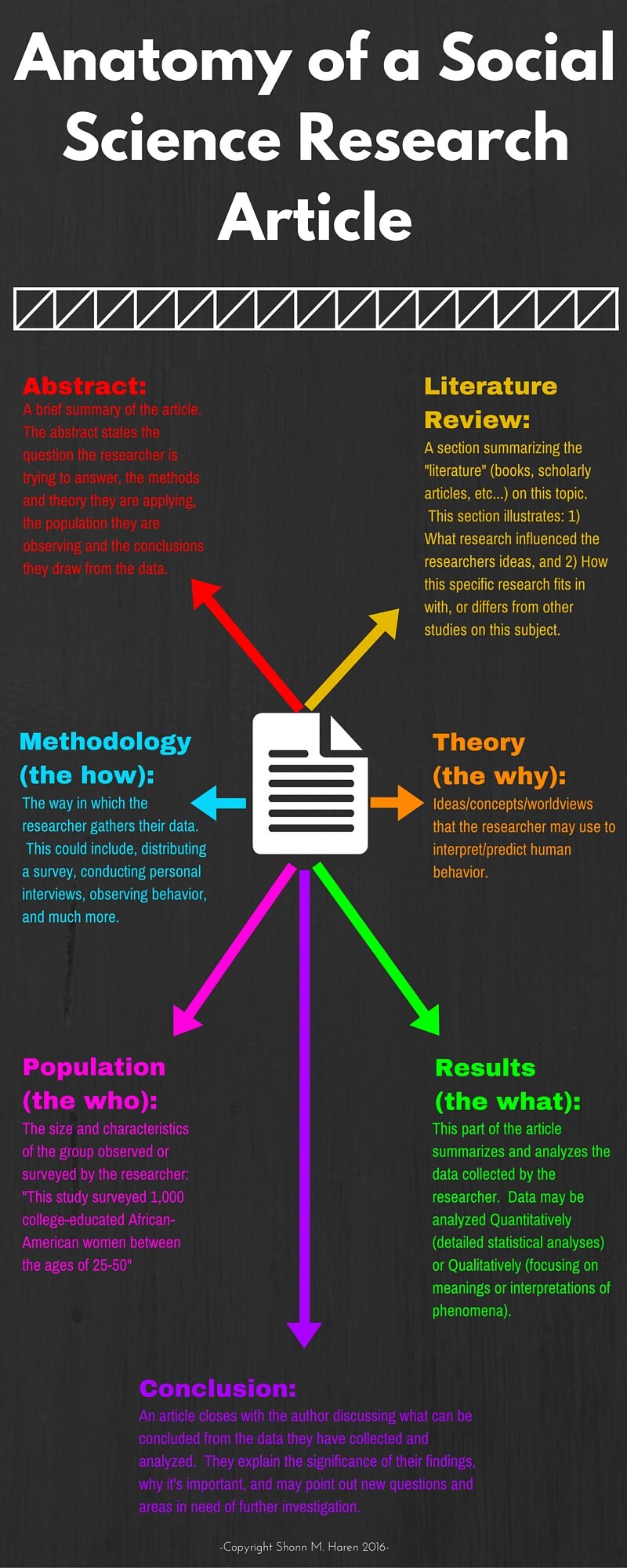
Before you even get to the main body, you encounter the Title and the Abstract.
The title gives you a quick preview of the paper's topic. A good title is specific and tells you what the research is about in a single phrase.
The abstract is a mini-summary of the entire paper, usually in 250 words or less. It briefly covers the study's purpose, methods, key findings, and main conclusion. Reading the abstract is the fastest way to decide if the entire paper is relevant to your interests.
The IMRAD Framework
Most academic research papers follow a standard framework, often summarized as IMRaD: Introduction, Methods, Results, and Discussion.
This IMRAD structure organizes the research into a logical story. Each section answers a different question.
Introduction: This section sets the stage. It starts with a broad overview of the topic, narrows down to the specific problem the research addresses, and explains why the work is important. The introduction always ends with a clear statement of the research question or hypothesis.
Methods: Here, the authors describe exactly how they conducted their research. This section provides a detailed recipe, including the materials, procedures, and techniques used. The goal is to give other researchers enough information to replicate the study and verify the findings.
Results: This is the most straightforward section. It presents the findings of the study without any interpretation or commentary. The results are often shown using tables, charts, and graphs to make the data easy to understand. This section simply states what the authors found.
Discussion: In this final section, the authors interpret their findings. They explain what the results mean, how they relate back to the original research question, and how they fit into the broader field of study. The discussion also addresses any limitations of the study and often suggests directions for future research. It answers the crucial question: "So what?"
Citations and References
At the end of every paper, you'll find a References section (sometimes called a Bibliography or Works Cited). This is a list of all the other studies and sources that the authors mentioned in their paper.
References are crucial for a few reasons. They show that the authors have done their homework and are aware of existing research on the topic. They also allow you to find and read the original sources for yourself, which is a great way to deepen your understanding.
What is the primary purpose of the Abstract in a scientific paper?
If a researcher wanted to replicate an experiment, which section of a scientific paper would provide the most detailed 'recipe' for them to follow?
Understanding this basic structure demystifies academic papers, turning a wall of text into a navigable map of scientific discovery.