Demystifying Scientific Literature
Introduction to Scientific Inquiry
A Method to the Madness
Science isn't just a collection of facts in a textbook. It's a way of asking questions and finding answers. At its heart is a process called scientific inquiry, a systematic way to explore the world. This process isn't a rigid checklist, but it generally follows a path known as the scientific method.
The scientific method is a journey that starts with a simple observation and can lead to groundbreaking discoveries. It’s a cycle of questioning, testing, and learning.
Everything begins with an observation. You notice something interesting or puzzling, which sparks a question. Why does a ball fall to the ground instead of floating away? What makes a plant grow toward the light? These questions are the starting point for any scientific investigation.
Forming a Hypothesis
Once you have a question, the next step is to propose a possible answer. This isn't just a wild guess; it's an educated, testable statement called a hypothesis. A good hypothesis is specific and framed as a prediction of what will happen in a particular situation.
Hypothesis
noun
A proposed explanation for a phenomenon made as a starting point for further investigation.
For example, if your question is "Does fertilizer make plants grow taller?", a weak hypothesis would be "Fertilizer is good for plants." It's too vague. A stronger, testable hypothesis would be: "If plants are given fertilizer, then they will grow taller than plants that are not given fertilizer."
Designing the Test
With a hypothesis in hand, it's time to design an experiment to test it. A well-designed experiment isolates the one thing you want to test and keeps everything else the same. These factors are called variables. The factor you change on purpose is the independent variable, and the factor you measure to see the effect is the dependent variable.
To be sure your independent variable is causing the change, you need a control group. This group doesn't receive the experimental treatment. In our plant example, the control group would be the plants that get no fertilizer. By comparing the experimental group to the control group, you can see the true effect of the fertilizer.
| Term | Role in the Experiment | Example (Plant Study) |
|---|---|---|
| Independent Variable | The one factor you change. | The presence or absence of fertilizer. |
| Dependent Variable | The factor you measure. | The height of the plants. |
| Control Group | The group that doesn't get the treatment. | The plants that receive no fertilizer. |
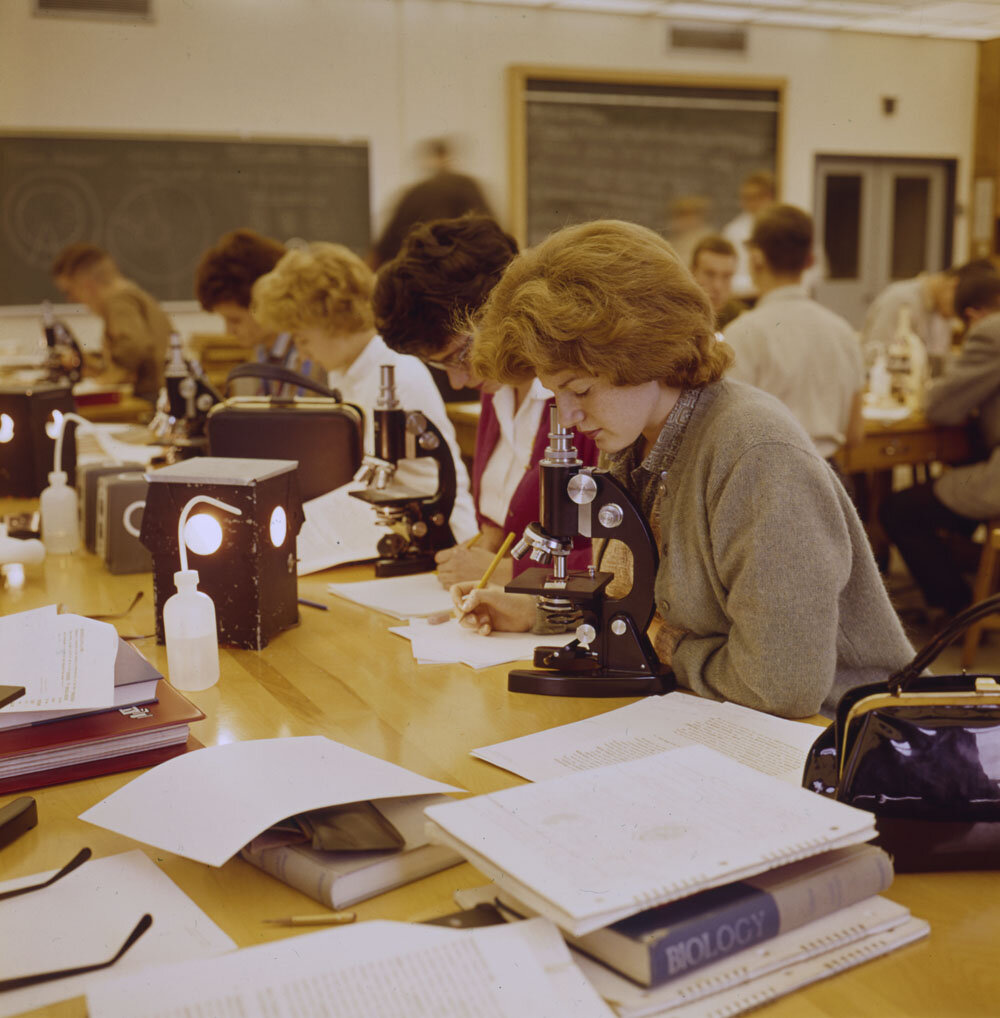
After setting up the experiment, you begin data collection. This is the process of making careful observations and measurements. It's crucial to be systematic and record everything accurately, whether you're measuring plant height in centimeters, timing a chemical reaction, or noting behavioral changes in animals. This data is the evidence you'll use to evaluate your hypothesis.
Making Sense of It All
Once data is collected, the final step is analysis. You look for patterns, trends, and relationships in your measurements. Do the plants with fertilizer consistently grow taller than those without? How much taller? This is where you determine if the evidence supports or contradicts your hypothesis.
Often, the analysis raises new questions. Maybe the fertilizer worked, but only on a certain type of plant. This can lead you to refine your hypothesis and design a new experiment, starting the cycle all over again. Science is rarely a straight line; it's a continuous process of discovery.
Explain how scientific inquiry works: What a hypothesis is, how studies are tested, and why evolving conclusions reflect a system that corrects itself.
Now, let's test your understanding of these core concepts.
In an experiment designed to test if a new brand of dog food helps dogs gain weight, what is the independent variable?
A scientist proposes that "students who listen to classical music while studying will score higher on a test." This statement is an example of a(n) __________.
This structured approach of questioning, testing, and analyzing is the engine of scientific progress. It provides the framework for how we learn about the world, from the smallest atoms to the largest galaxies.