Demystifying Research Papers
Research Paper Structure
The Anatomy of a Research Paper
Scientific papers can feel dense and intimidating, but they follow a predictable pattern. Once you understand the basic structure, you can navigate them much more easily. Think of it as a roadmap that guides you through the research from start to finish. This standard format helps you know exactly where to look for specific information.
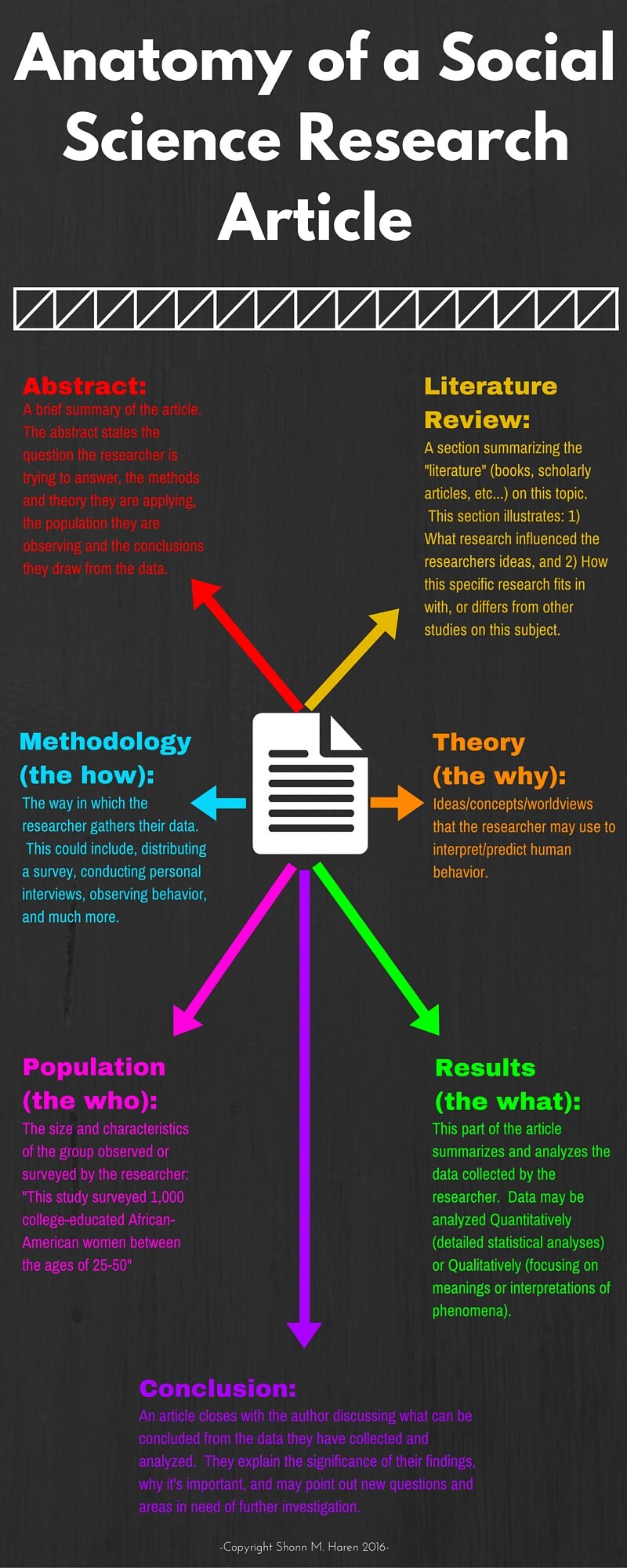
Let's walk through the main sections you'll find in almost every research article.
The Abstract and Introduction
The Abstract is a short paragraph right at the beginning of the paper. Its job is to provide a complete, but brief, summary of the entire article. It covers the background, the main question, the methods used, the most important findings, and the conclusion. Reading the abstract is the fastest way to decide if the paper is relevant to your interests.
Think of the abstract as the trailer for a movie. It gives you the highlights and helps you decide if you want to commit to the full story.
Following the abstract is the Introduction. This section sets the stage for the research. It starts broad by providing background on the topic and then narrows down to the specific problem the study addresses. The introduction explains why the research is important and clearly states the authors' research question or hypothesis.
The "How" and "What"
The Methods section is the technical core of the paper. It's a detailed description of exactly how the researchers conducted their study. This includes who or what they studied, what tools and materials they used, and the step-by-step procedures they followed.
The goal of the methods section is transparency. It should be clear enough that another scientist could replicate the experiment to verify the results.
Next comes the Results section. This is where the authors present their findings without any interpretation. It’s a straightforward report of the data they collected. You'll often find tables, graphs, and charts here that summarize the information. This section sticks to the facts, answering the question: what did we find?
Making Sense of It All
The Discussion section is where the authors interpret their findings. If the Results section is the "what," the Discussion is the "so what?" Here, the authors explain what their results mean in the context of their research question and existing knowledge. They'll connect their findings back to the ideas mentioned in the introduction, address any limitations of their study, and suggest areas for future research.
Finally, the Conclusion wraps everything up. It's usually a short section that provides a take-home message. The authors summarize the main findings and their importance one last time. It gives a final, concise answer to the research question posed in the introduction. Understanding this structure helps you read more efficiently and pull out the key information you need.
Which section of a scientific paper provides a brief, comprehensive summary of the entire study, including the background, methods, results, and conclusion?
If you wanted to understand why a research study was conducted and what specific question the authors were trying to answer, which section would you read first?