Demystifying Programmatic Advertising
Introduction to Programmatic Advertising
What Is Programmatic Advertising?
At its core, programmatic advertising is the use of software to buy and sell digital advertising. Instead of humans negotiating ad space over phone calls and emails, machines do it automatically in the blink of an eye.
Think of it like the evolution of stock trading. Decades ago, traders shouted orders on a crowded floor. Today, algorithms execute millions of trades per second. Programmatic advertising brought a similar revolution to the world of digital ads. It replaced manual insertion orders and guesswork with data-driven, automated decisions.
Programmatic ad buying is the automated process of purchasing digital ad space using data and technology.
This automated process happens in real-time for every single ad you see. When a user visits a website, an auction for the available ad space begins and ends in the milliseconds it takes for the page to load. The winning bidder's ad is then instantly displayed to the user.
From Manual Deals to Machine Speed
Digital advertising wasn't always this fast. In the early days of the internet, buying ad space was a slow, manual process. An advertiser's marketing team would have to identify websites where their target audience might be, contact the publisher, negotiate a price, and sign a contract. This process could take weeks for a single campaign.
It was inefficient and hard to scale. Advertisers were buying space on a website, hoping the right people would see their ad. There was very little data to guide their decisions.
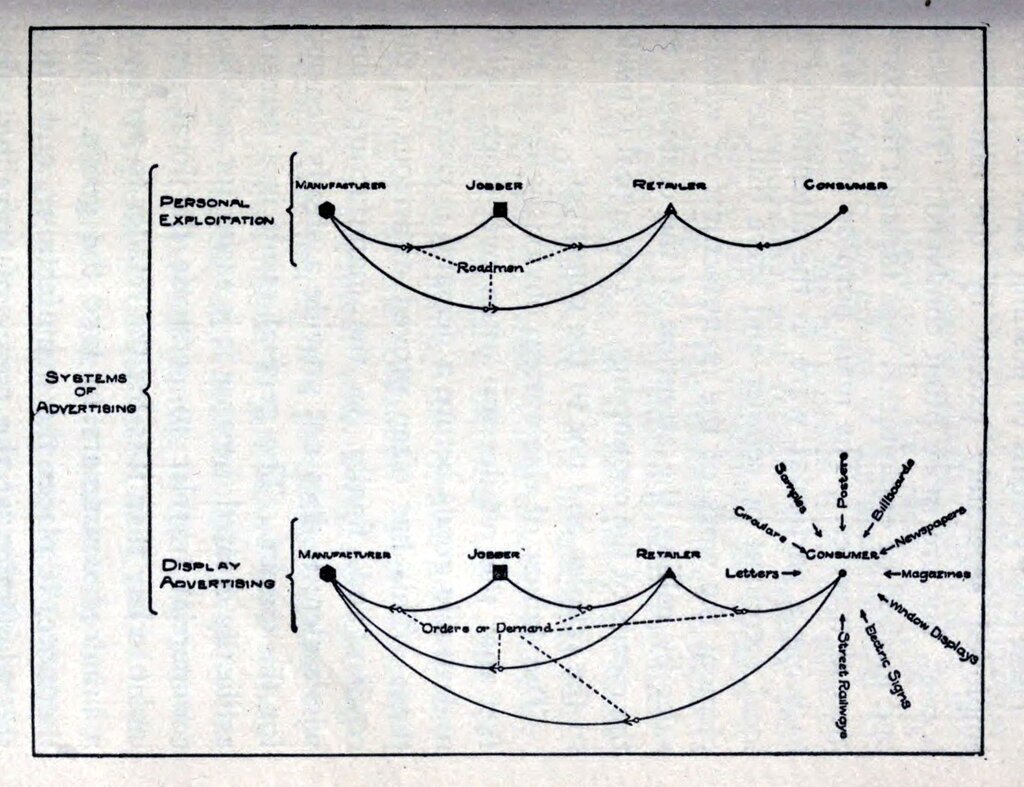
The first step toward automation came with ad networks. These companies acted as intermediaries, bundling unsold ad inventory from multiple publishers and selling it to advertisers. This was more efficient, but the targeting was still basic.
Then came the data explosion. As more user data became available, technology evolved to use it. Programmatic platforms emerged, enabling advertisers to buy individual ad impressions for specific users in real-time, no matter what website they were on. This shifted the focus from buying space on a site to reaching a person.
The Benefits of Automation
The shift to programmatic advertising changed the game for marketers. It introduced a level of precision and efficiency that was previously impossible.
Instead of buying 1,000,000 ad impressions on a sports website, a shoe company can now buy 1,000,000 impressions targeted specifically at people who have recently searched for running shoes, regardless of the site they're visiting.
This leads to several key advantages:
- Efficiency: Automation frees up time and resources. Marketers can focus on strategy and creative work instead of tedious negotiations.
- Audience Targeting: By leveraging data, advertisers can reach niche audiences with incredible accuracy based on demographics, interests, browsing behavior, and more.
- Real-Time Bidding (RTB): This is the auction mechanism that powers programmatic advertising. It ensures that advertisers pay a fair market price for each ad impression.
- Cost-Effectiveness: Advertisers can set precise budgets and only bid on the impressions that are most valuable to them. This reduces wasted ad spend and improves the return on investment.
Let's review the key terms we've covered.
Now, test your knowledge on the fundamentals.
What is the core concept behind programmatic advertising?
The primary shift introduced by programmatic advertising was from buying ad space on a specific website to reaching a specific ______.
Programmatic advertising transformed a manual process into a highly efficient, data-driven system for buying and selling digital ads, setting a new standard for the industry.