Demystifying Probability
Introduction to Probability
The Measure of Chance
Probability is a way to measure how likely it is for something to happen. It's a number between 0 and 1. If an event has a probability of 0, it's impossible. If it has a probability of 1, it's certain to happen.
A probability of 0.5 means an event has a 50/50 chance, like a fair coin landing on heads.
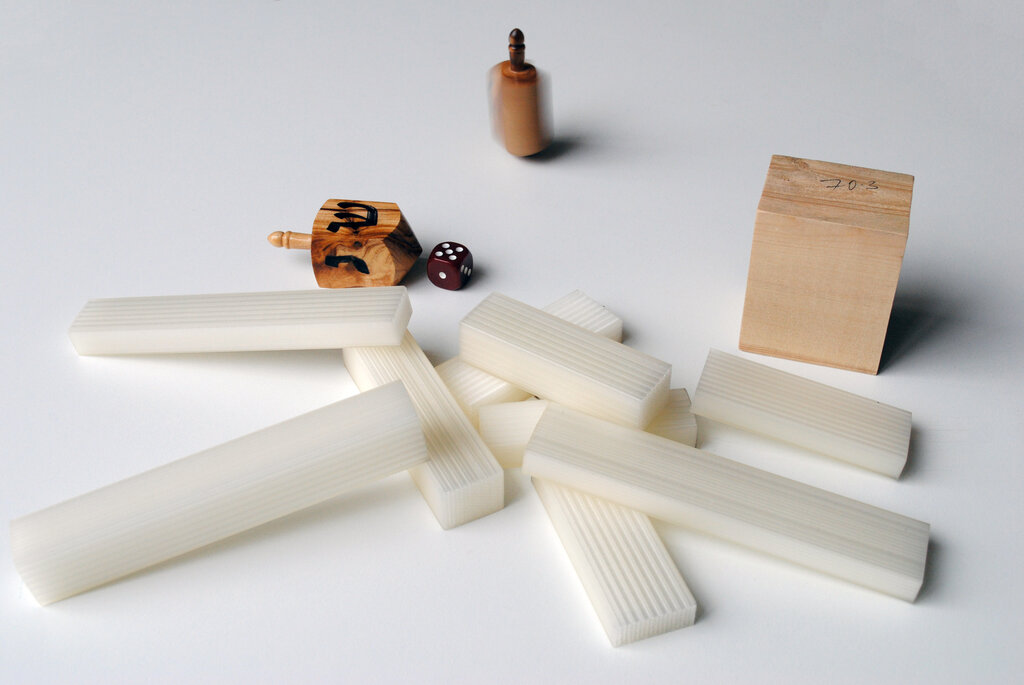
Sample Spaces and Events
To calculate probability, we first need to know all the possible results of an action. This complete set of outcomes is called the sample space.
For a single coin toss, the sample space is {Heads, Tails}. For a standard six-sided die roll, the sample space is {1, 2, 3, 4, 5, 6}.
An event is the specific outcome or group of outcomes you're interested in. It's a subset of the sample space. For example, if you're rolling a die, an event could be "rolling a 4" or "rolling an odd number."
Calculating Simple Probability
Once you know the sample space and the event, calculating probability is straightforward. You just need to count.
Let's use our dice example. What's the probability of rolling an even number?
The sample space is {1, 2, 3, 4, 5, 6}, so there are 6 total possible outcomes. The event (rolling an even number) includes the outcomes {2, 4, 6}, which is 3 favorable outcomes.
This means you have a 50% chance of rolling an even number on a standard die.
If the probability of an event is 1, what does this signify?
What is the sample space for flipping a single, standard coin?