Demystifying Large Model Training
Introduction to Large Models
What Are Large Models?
In the world of artificial intelligence, a “large model” is an AI that has been trained on a massive amount of data and has a very high number of parameters. Think of parameters as tiny adjustment knobs. A simple AI might have a few thousand knobs, but a large model can have billions or even trillions. With so many knobs, the model can learn incredibly subtle and complex patterns from the data it's given.
More parameters and more data allow these models to develop a more nuanced understanding of a topic, whether it's human language, computer code, or biological data.
These models are a part of a field called deep learning, which itself is a subfield of machine learning. They use structures called neural networks, which are loosely inspired by the human brain, to process information.
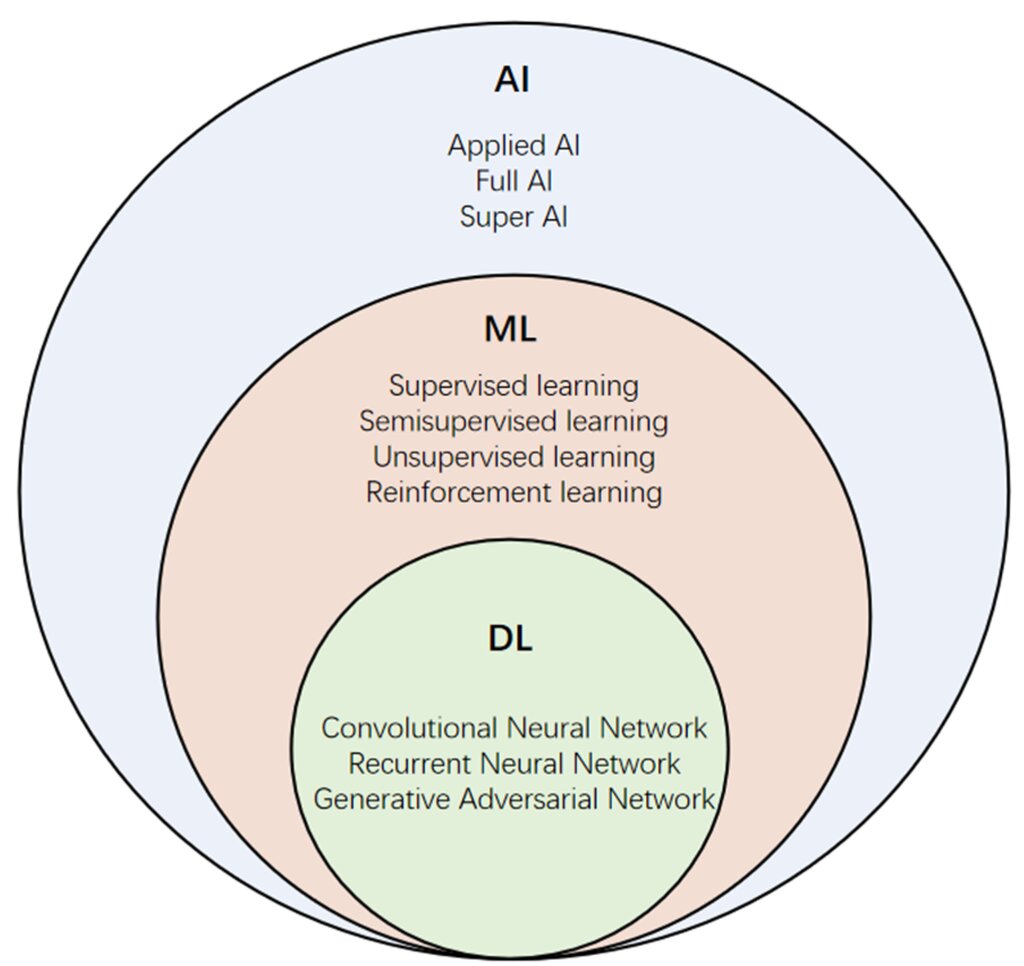
The sheer scale of these models is what makes them so powerful. By analyzing vast datasets—like a huge portion of the internet—they learn the relationships between concepts, words, images, and ideas. This allows them to perform tasks that were once thought to be exclusive to human intelligence.
Where Do We See Them?
You've likely already interacted with a large model. The most well-known examples are Large Language Models (LLMs). These are the engines behind conversational AI assistants that can write emails, generate computer code, and answer complex questions.
But their applications go far beyond just language. Large models are used to:
- Generate art and images from simple text descriptions.
- Analyze medical scans to help doctors detect diseases earlier.
- Discover new drugs by predicting how molecules will interact.
- Improve weather forecasting by finding patterns in enormous climate datasets.
- Power self-driving cars by interpreting data from cameras and sensors in real-time.
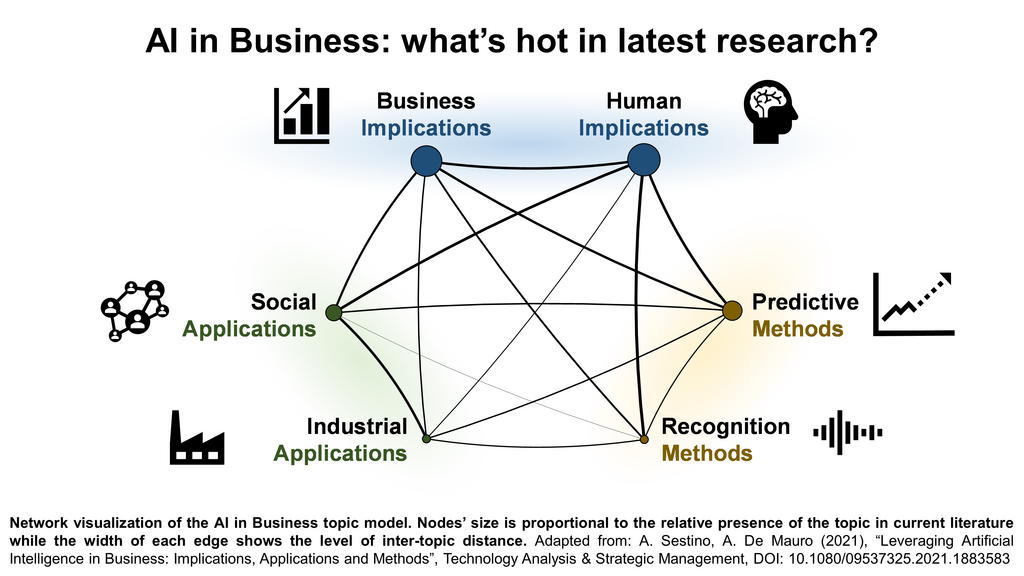
From science and medicine to business and creative arts, large models are becoming a fundamental tool for solving complex problems and creating new possibilities.
The Challenges of Size
Building and training these massive models is not easy. It comes with a unique set of challenges that require immense resources.
Deploying large language models (LLMs) is challenging because they are memory inefficient and compute-intensive for practical applications.
One of the biggest hurdles is the need for data. Large models are incredibly data-hungry. To train a leading language model, researchers might use hundreds of billions of words from books, articles, and websites. Gathering, cleaning, and processing this data is a massive undertaking.
Another major challenge is the sheer computational power required. Training a large model can take weeks or even months, using thousands of specialized computer chips running simultaneously. This process consumes a huge amount of electricity and can cost millions of dollars.
Finally, there's the challenge of expertise. Designing, building, and training these models requires a deep understanding of AI, mathematics, and software engineering. As these models become more integrated into our lives, a new set of ethical and safety considerations also emerges, requiring careful thought and planning.
Now, let's test your understanding of large models.
What is the most defining characteristic of a "large model" in the context of AI?
Large models are a part of a field called __________, which is a subfield of machine learning.
Despite these challenges, the field is advancing rapidly, unlocking new capabilities that continue to reshape our world.