Demystifying Large Language Models
Introduction to Large Language Models
What Are Large Language Models?
At its core, a Large Language Model, or LLM, is an AI designed to understand and generate human-like text. Think of it as a student who has read a colossal library—so vast it includes a huge portion of the internet, countless books, and articles. After reading all that material, it doesn't just memorize facts; it learns the patterns, context, grammar, and nuances of language.
This allows LLMs to perform a wide range of tasks. You can ask one a question, have it summarize a long document, translate text from one language to another, or even help you write an email. They work by predicting the next most likely word in a sequence, but on a massive scale, enabling them to construct coherent and contextually relevant sentences, paragraphs, and even entire articles.
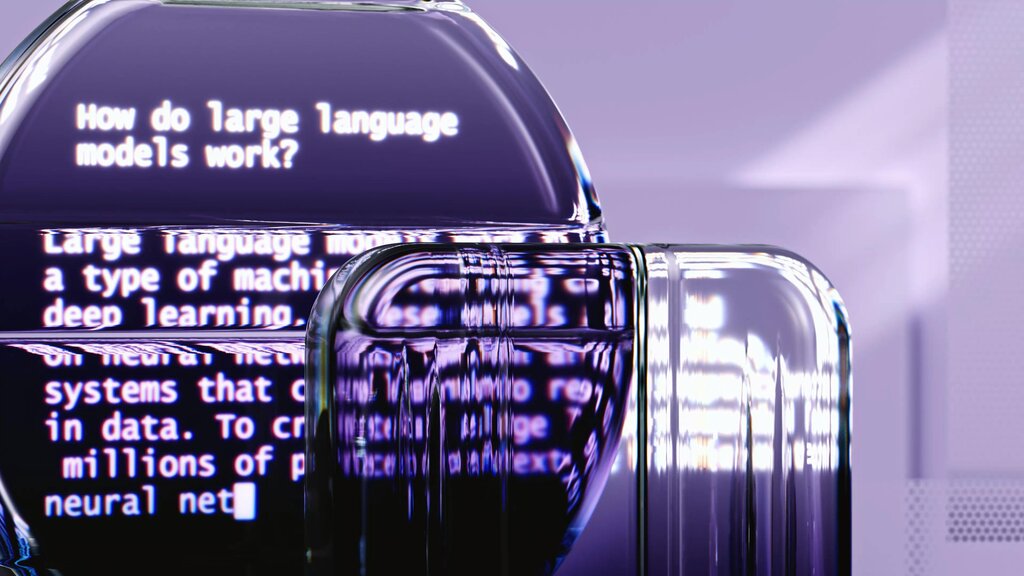
Large language models (LLMs) are increasingly shaping the way we live and work.
A Quick Look Back
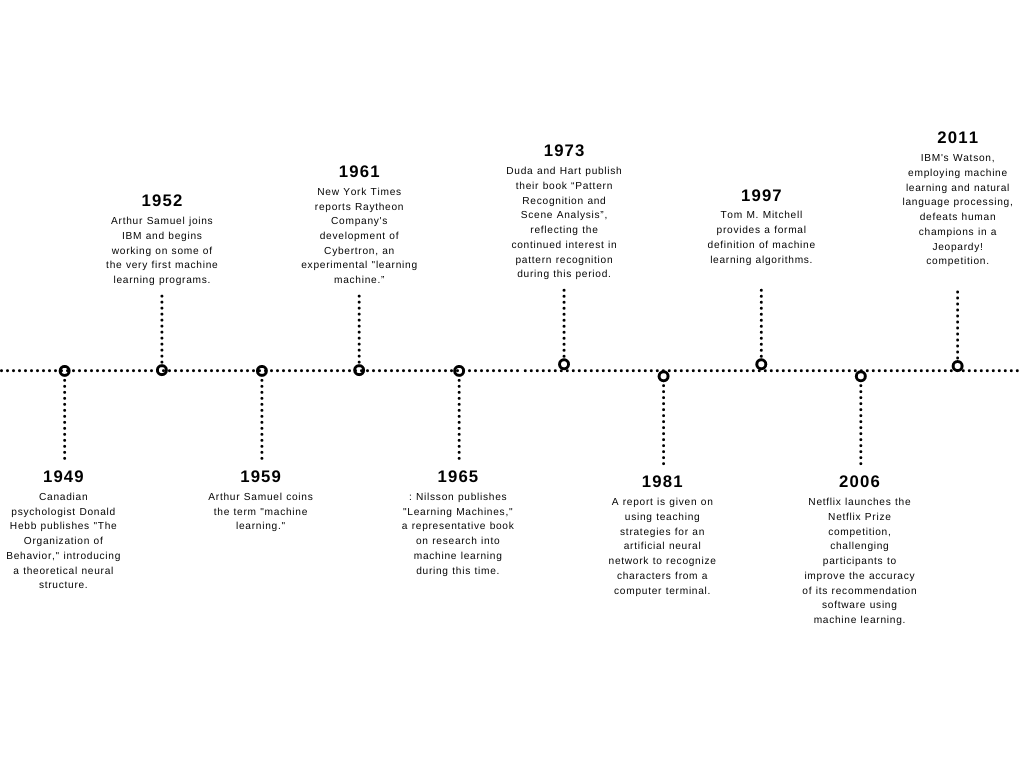
LLMs didn't appear overnight. Their development is built on decades of research. Early attempts at language modeling, dating back to the mid-20th century, relied on statistical methods. These models would analyze the frequency of words and word combinations to make predictions. They were useful but limited, often producing robotic and nonsensical text.
The major turning point came with the rise of machine learning and, more specifically, neural networks. These systems, inspired by the structure of the human brain, allowed models to learn much more complex patterns in language. As computing power grew and massive datasets became available, researchers could build bigger and more sophisticated models, leading to the powerful LLMs we interact with today.
The Building Blocks
To understand LLMs, you need to know about two foundational fields in artificial intelligence: Machine Learning and Natural Language Processing.
Machine Learning
noun
A type of artificial intelligence that gives computers the ability to learn from data without being explicitly programmed. Instead of writing step-by-step instructions, developers feed an algorithm vast amounts of data, and the algorithm learns to recognize patterns and make predictions on its own.
LLMs are a product of machine learning. They aren't programmed with grammar rules; they learn them by analyzing text. It's like learning to identify a cat by looking at thousands of cat photos rather than by following a checklist of features like "has whiskers" and "has pointy ears."
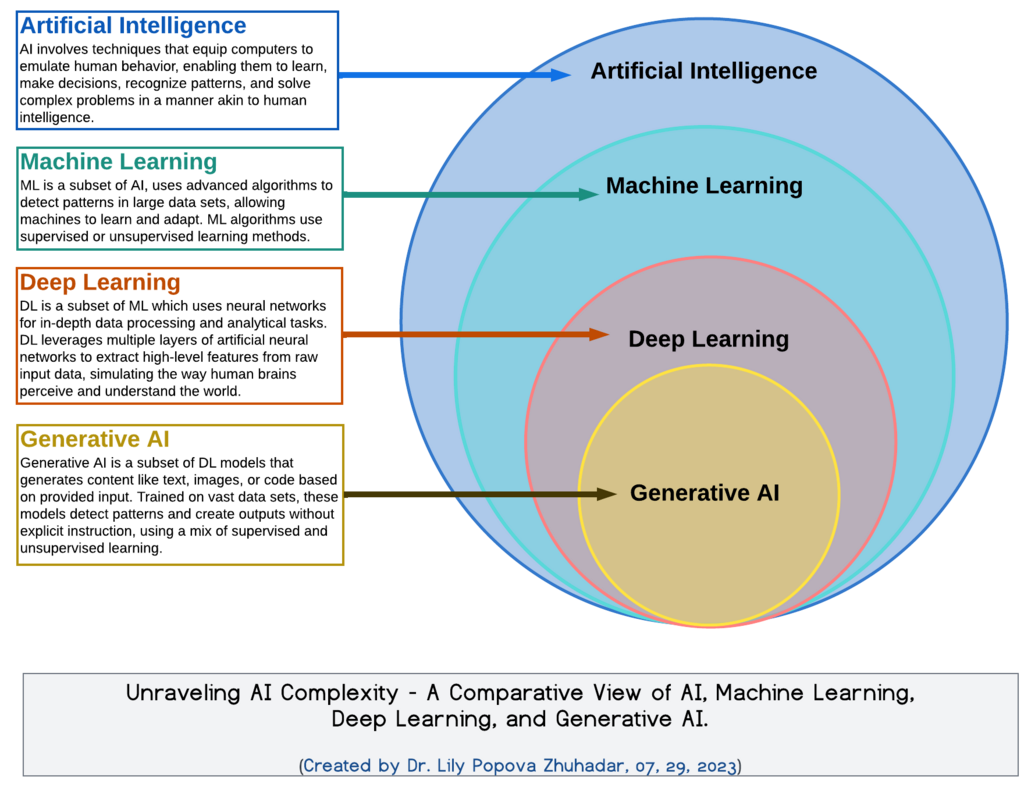
The other key ingredient is Natural Language Processing, or NLP. This is a specific area of AI focused on the interaction between computers and human language.
Natural Language Processing
noun
A field of artificial intelligence that enables computers to understand, interpret, and generate human language, both text and speech. It bridges the gap between human communication and computer understanding.
NLP covers tasks like sentiment analysis (is a review positive or negative?), language translation, and chatbot conversations. LLMs represent a massive leap forward in NLP, capable of handling these tasks with unprecedented sophistication. They have transformed AI applications by making our interactions with technology more natural and intuitive. From customer service bots to creative writing assistants, their impact is growing every day.
What is the primary way a Large Language Model (LLM) generates human-like text?
The major technological advance that enabled the development of modern, powerful LLMs was the rise of _______.