Demystifying Large Language Models
Introduction to LLMs
What Are Large Language Models?
At its core, a Large Language Model, or LLM, is a type of artificial intelligence designed to understand and generate human language. Think of it as a very advanced prediction engine. It's trained on enormous amounts of text data—from books, articles, websites, and more—to learn the patterns, grammar, and nuances of how we communicate.
The main goal of an LLM is to process a piece of text and predict what should come next. This simple-sounding task allows it to do amazing things.
This training allows them to do more than just add a word to a sentence. They can write essays, answer questions, summarize long documents, translate languages, and even write computer code. They don't "understand" text in the way a human does, but they are incredibly good at recognizing statistical relationships between words and ideas.
A Quick History
The idea of teaching machines to understand language isn't new. Early attempts, known as statistical language models (SLMs), relied on calculating the probability of a word appearing next to another. They were useful for simple tasks but lacked the ability to grasp context or subtlety.
The real breakthrough came with the development of neural networks, which are computer systems modeled loosely on the human brain. This led to more sophisticated models that could learn more complex patterns in language. Over the past decade, two key factors pushed these models to the next level: massive increases in computing power and the availability of vast datasets from the internet.
Over extensive research spanning decades, language modeling has progressed from initial statistical language models (SLMs) to the contemporary landscape of large language models (LLMs).
This combination allowed researchers to build and train the
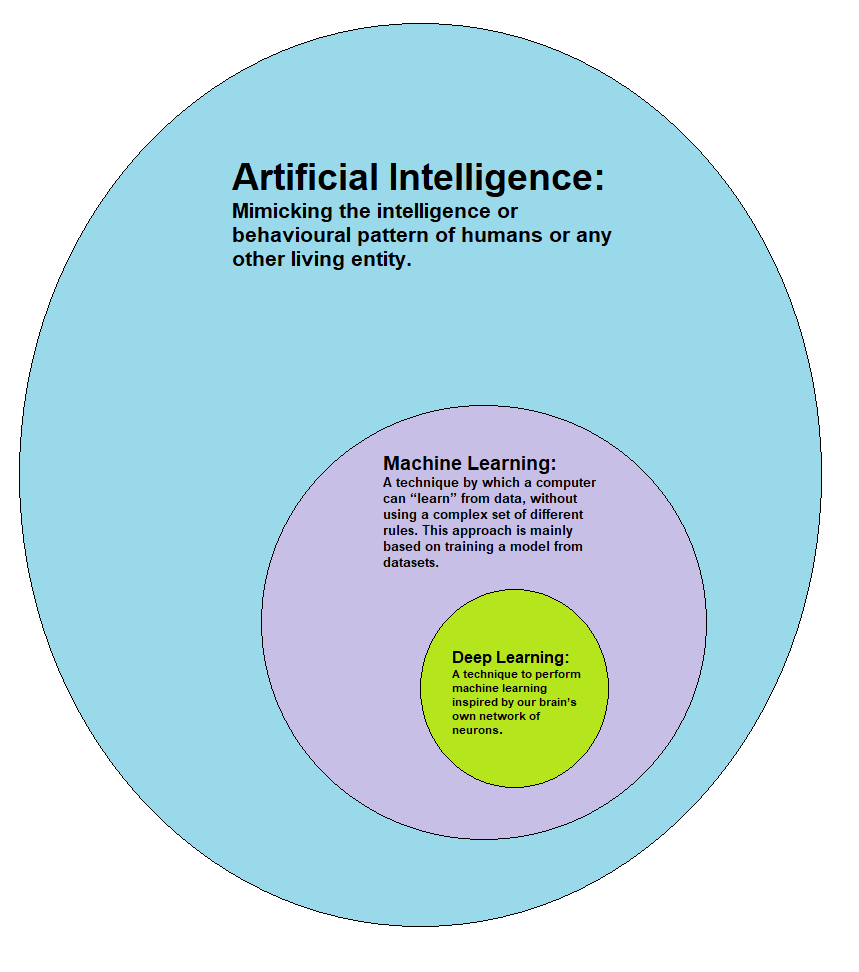
LLMs we see today, which are part of a broader field called Natural Language Processing.
Natural Language Processing
noun
A field of artificial intelligence that focuses on enabling computers to understand, interpret, and generate human language.
What Can LLMs Do?
The abilities of LLMs are broad and continue to expand. By predicting sequences of text, they can perform a wide variety of tasks across many different domains. Some of the most common applications include:
| Application | Description |
|---|---|
| Text Generation | Writing original content like articles, emails, or creative stories. |
| Translation | Translating text from one language to another with high accuracy. |
| Summarization | Condensing long documents into key points. |
| Question Answering | Providing direct answers to questions based on a given context or its own knowledge. |
| Sentiment Analysis | Determining the emotional tone of a piece of text (e.g., positive, negative, neutral). |
| Code Generation | Writing computer code in various programming languages based on a natural language description. |
These capabilities make LLMs powerful tools in fields ranging from customer service and content creation to software development and scientific research. They've fundamentally changed how we interact with information and technology.
Let's check your understanding of these fundamental concepts.
At its most fundamental level, what is a Large Language Model (LLM) designed to do?
Early statistical language models (SLMs) were less capable than modern LLMs primarily because they struggled with grasping context and subtlety.
Now that you have a foundational understanding of what LLMs are and what they can do, you're ready to explore the specific technology that makes them possible.