Demystifying Interest Rates
Interest Rate Basics
The Price of Money
Interest is the cost of using someone else's money. When you borrow money, you pay interest. When you lend money, or deposit it into a savings account, you earn interest. It’s that simple.
Interest rates are the cost of borrowing money or the reward for saving it.
Think of it like renting. If you rent an apartment, you pay the owner for the privilege of using their property. An interest rate is just the rental price for money, typically expressed as a percentage of the amount borrowed or saved over a specific period, usually a year.
interest
noun
A fee paid by a borrower to a lender for the use of borrowed money, or the income earned on saved or invested money.
Nominal vs. Real Rates
Not all interest rates tell the whole story. The rate you see advertised by a bank is the nominal interest rate. It’s the straightforward percentage without any adjustments.
But prices for goods and services change over time due to inflation. If your savings account earns 2% interest, but inflation is 3%, your money's actual purchasing power has decreased. This is where the real interest rate comes in.
The real interest rate is the nominal interest rate minus the rate of inflation.
This gives you a much clearer picture of how much your money is truly growing. Let's look at the formula.
Here, is the real interest rate, is the nominal interest rate, and is the inflation rate. If a loan has a 5% nominal rate and inflation is 2%, the real interest rate for the lender is approximately 3%.
The Power of Time
One of the most powerful concepts in finance is the time value of money. The idea is simple: a dollar today is worth more than a dollar tomorrow. Why? Because you can invest today's dollar and earn interest on it, making it grow.
This leads us to compounding. Compounding happens when you earn interest not only on your initial amount of money (the principal) but also on the accumulated interest from previous periods. It’s interest on interest.
As you can see, the difference compounding makes over time is substantial. A small amount of money, given enough time, can grow into a large sum. This is why starting to save or invest early is so important.
The Economy's Thermostat
Interest rates play a huge role in the broader economy. They act like a thermostat, helping to regulate economic activity.
When interest rates are low, borrowing money is cheaper for both people and businesses. This encourages spending and investment. Companies might take out loans to build new factories, and individuals might be more willing to buy homes or cars. This activity stimulates economic growth.
Conversely, when interest rates are high, borrowing becomes more expensive. This tends to slow down spending and investment, which can help cool down an overheating economy and curb inflation. Savers, on the other hand, benefit from higher rates as they earn more on their deposits.
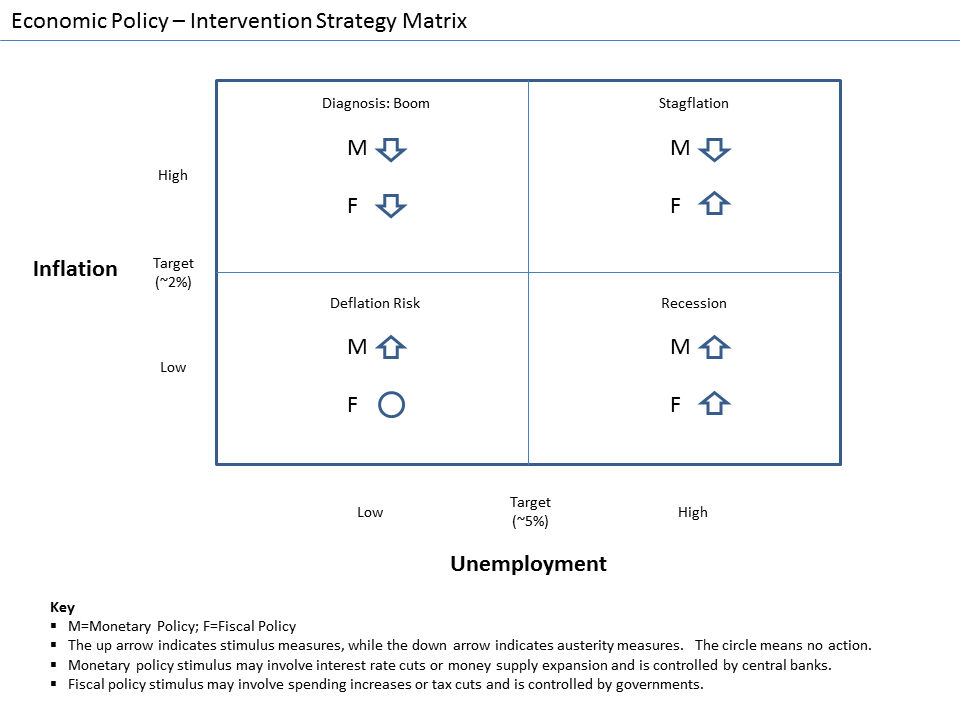
By influencing the decisions of millions, interest rates guide the flow of money through the financial system, affecting everything from business expansion to the value of a nation's currency.
Ready to check your understanding? Let's see what you've learned.
Which statement best describes the concept of "interest" in finance?
If a savings account pays a nominal interest rate of 3% per year, and the annual inflation rate is 4%, what is happening to the real purchasing power of the money in the account?
Understanding these core concepts is the first step to making sense of how money moves and grows in the world around you.