Demystifying Explainable AI
Introduction to Explainable AI
Why Did the AI Do That?
Imagine an AI that helps doctors diagnose diseases. It analyzes a patient's scans and correctly identifies a rare condition, saving their life. That's incredible. But what if the doctor asks the AI why it made that diagnosis? If the AI can only reply, "Because my calculations say so," that's not very helpful. The doctor needs to understand the reasoning to trust the conclusion and explain it to the patient.
This is the core idea behind Explainable AI, or XAI. It’s a field of artificial intelligence focused on creating systems that can explain their decisions in a way humans can understand. It’s not just about getting the right answer; it’s about showing your work.
The Black Box Problem
Many of today's most powerful AI models, especially in deep learning, are incredibly complex. They operate like a "black box." We can put data in and get a prediction out, but the internal logic—the millions of calculations happening inside—is often too complicated for even the model's creators to fully grasp.
Think of it like a brilliant chef who creates amazing dishes but never writes down a recipe. You can taste the final product and know it's good, but you have no idea how it was made. For a casual dinner, that's fine. But if you were running a restaurant and needed to ensure consistency, handle allergies, or train new cooks, that lack of a recipe would be a major problem.
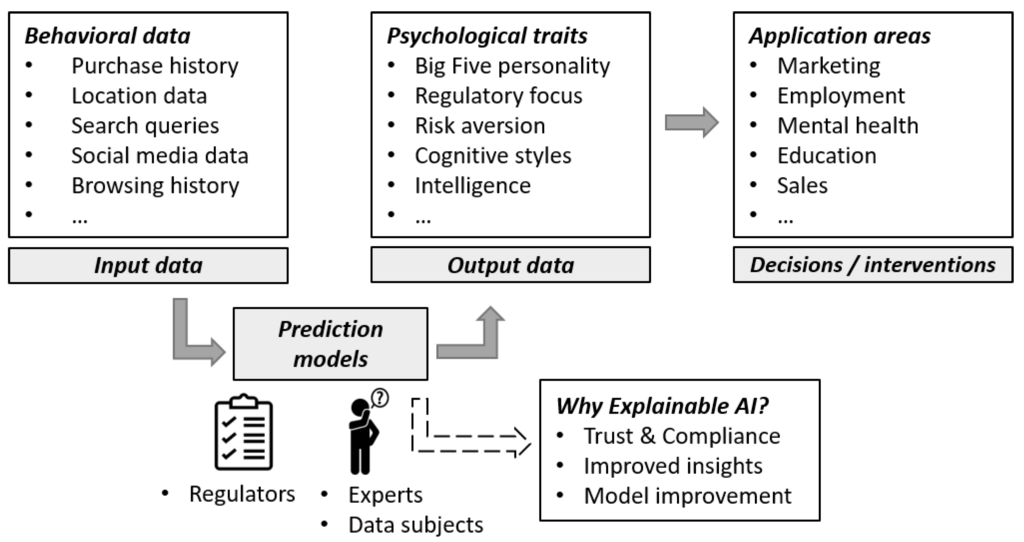
This black box nature is a significant hurdle in high-stakes fields. If an AI denies someone a loan, approves them for a medical trial, or even guides a self-driving car, we need to know why. An unexplainable decision isn't just frustrating; it can be unfair, unsafe, or even illegal. Without understanding the AI's reasoning, we can't check for errors, correct hidden biases, or improve the system.
Building Trust and Meeting Rules
Trust is essential for the adoption of AI. If people don't trust a system, they won't use it, regardless of how accurate it might be. XAI builds that trust by making the AI's decision-making process transparent. When developers can see how a model works, they can debug it more effectively. When users understand why a decision was made, they're more likely to accept it. And when regulators can audit an AI's logic, they can ensure it's fair and safe.
Trust isn't built on correct answers alone. It's built on understandable reasoning.
This need for transparency is also becoming a legal requirement. Around the world, governments are creating regulations that mandate a certain level of explainability for AI systems, particularly those used in critical areas like finance, healthcare, and law enforcement. For example, rules like the EU's AI Act require that companies can explain the decisions their AI systems make.
In this context, XAI is no longer just a nice-to-have feature. It’s becoming a fundamental part of responsible and compliant AI development.
Let's check your understanding of these core concepts.
What is the primary goal of Explainable AI (XAI)?
In the context of AI, the term 'black box' refers to a model whose _______ is/are too complex for humans to understand.