Demystifying Election Polls
Understanding Election Polls
A Snapshot of Public Opinion
An election poll is a survey designed to gauge how a population feels about candidates, parties, or specific issues. Think of it as a snapshot in time. It doesn’t predict the future, but it tells us what a slice of the public is thinking right now.
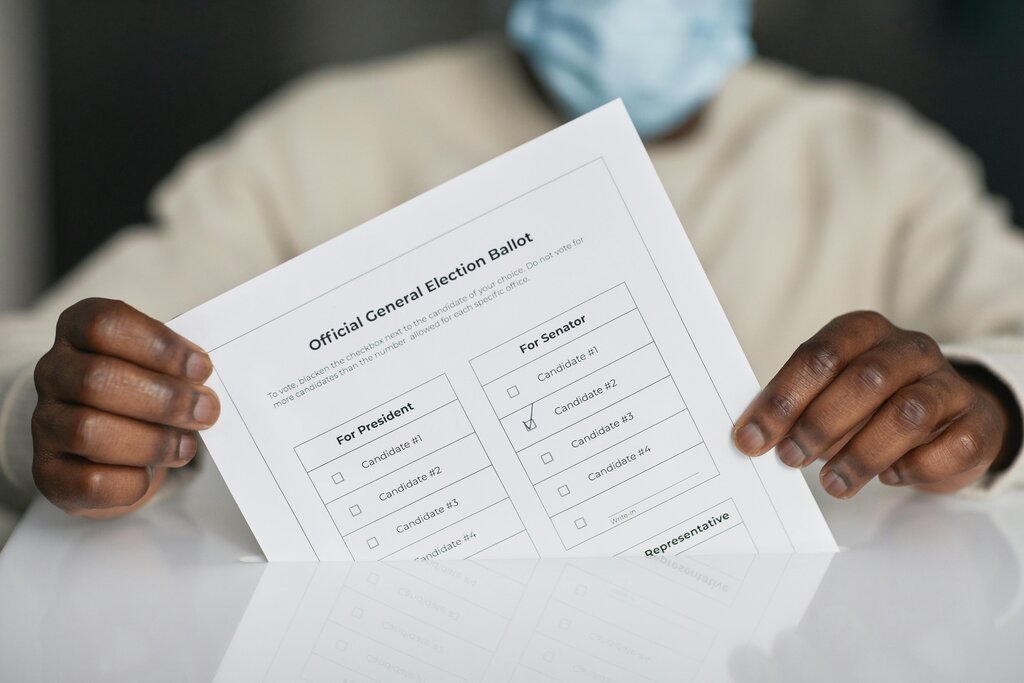
These snapshots are useful for a few reasons. For political campaigns, they reveal what messages are resonating with voters and which groups need more attention. For the public and the media, polls offer a window into the political landscape, showing who's ahead and what issues people care about most.
The key is to see polls as a reflection of the present, not a crystal ball for the future.
Finding the Right Voices
It’s impossible to ask every single voter for their opinion. Instead, pollsters survey a smaller group, called a sample, to represent the entire population. The goal is to create a sample that is a miniature version of the broader electorate.
The most reliable method for this is random sampling, where every person in the population has an equal chance of being selected. This helps avoid bias and ensures the group isn't skewed toward one particular viewpoint.
A good sample reflects the diversity of the actual population in key areas like age, gender, race, location, and education level. If a sample isn't quite right—for example, if it has too few young voters—pollsters apply statistical adjustments called 'weighting' to make it more accurately mirror the community.
The Art of Asking Questions
Once a sample is chosen, the next step is asking the right questions. The way a question is phrased can dramatically change the answer. Good polls use neutral, unbiased language to avoid influencing the respondent.
Consider the difference: Biased: "Do you agree with the senator's common-sense plan to lower taxes?" Neutral: "Do you support or oppose the senator's plan to lower taxes?"
The first question leads the respondent to agree, while the second allows them to form their own opinion. Pollsters work hard to craft questions that are clear, simple, and fair.
Data is collected in several ways. Years ago, landline phone calls were standard. Today, pollsters use a mix of methods, including calls to mobile phones, online surveys, and sometimes even in-person interviews to reach a wider range of people.
Shaping the Political Game
Election polls do more than just measure opinion; they can also shape it. Media coverage often focuses on who is leading in the polls, which can influence how voters perceive the candidates. A candidate who is consistently ahead might be seen as more viable or electable, creating a bandwagon effect where voters flock to the perceived winner.
Campaigns also rely heavily on polling data to make strategic decisions. Polls help them identify which states to campaign in, which issues to emphasize in their speeches, and how to tailor their advertising to specific demographic groups. In this way, polls are a vital feedback loop between the public and the people running for office.
Now that you know the basics of how polls work, let's test your knowledge.
What is the primary function of an election poll?
In polling, what is the main advantage of using a random sample?
Understanding how polls are constructed is the first step to becoming a savvy consumer of political news.