Demystifying Election Polls
Introduction to Election Polls
What Are Election Polls?
An election poll is a survey of public opinion. Its goal is to take a snapshot of what a larger population thinks and feels about candidates or political issues. Instead of asking every single person in a country, pollsters survey a smaller, representative group and use their answers to estimate the views of the whole.
Think of it like a chef tasting a spoonful of soup. They don't need to eat the whole pot to know if it needs more salt. A good poll works the same way, using a small sample to understand the bigger picture.
For political campaigns, polls are a vital source of feedback. They help candidates understand which messages are resonating with voters and where they need to focus their efforts. For the public and the media, polls offer a window into the current political climate, showing who's ahead and which issues matter most to people.
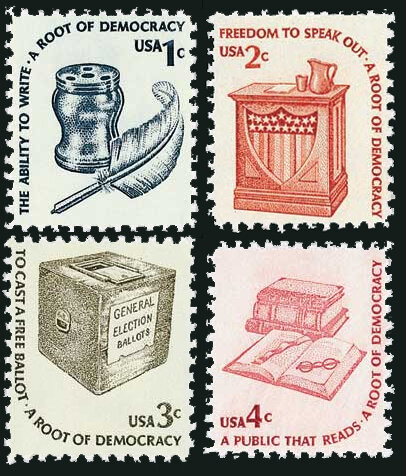
Polls are a critical tool for democracy,
A Brief History of Polling
The idea of gauging public opinion isn't new. In the 19th century, American newspapers conducted informal surveys called "straw polls." They'd ask readers to mail in ballots or stop by their office to cast a mock vote. These were fun but often inaccurate because they only surveyed their own readers, not a representative slice of the public.
The most famous polling failure happened in 1936. A popular magazine, The Literary Digest, conducted a huge poll and confidently predicted that Alf Landon would overwhelmingly defeat Franklin D. Roosevelt for president. They were completely wrong. Roosevelt won in a landslide.
Why the error? The magazine polled its own subscribers, as well as people who owned cars and telephones during the Great Depression. This group was wealthier than the average American and tended to favor the Republican candidate, Landon. It was a biased sample. In that same election, a young pollster named George Gallup used a much smaller, but more scientifically chosen, sample to correctly predict Roosevelt's victory. This event marked a turning point, ushering in the era of modern, more methodologically rigorous polling.
Types of Polls
Not all polls are created equal. You'll likely encounter a few different types during an election season, each with a specific purpose.
Opinion Poll
noun
A survey conducted before an election to gauge public support for candidates and issues.
These are the polls you see most often. They track the horse race of the campaign, asking questions like, "If the election were held today, who would you vote for?" They are conducted regularly throughout a campaign to measure shifts in voter sentiment.
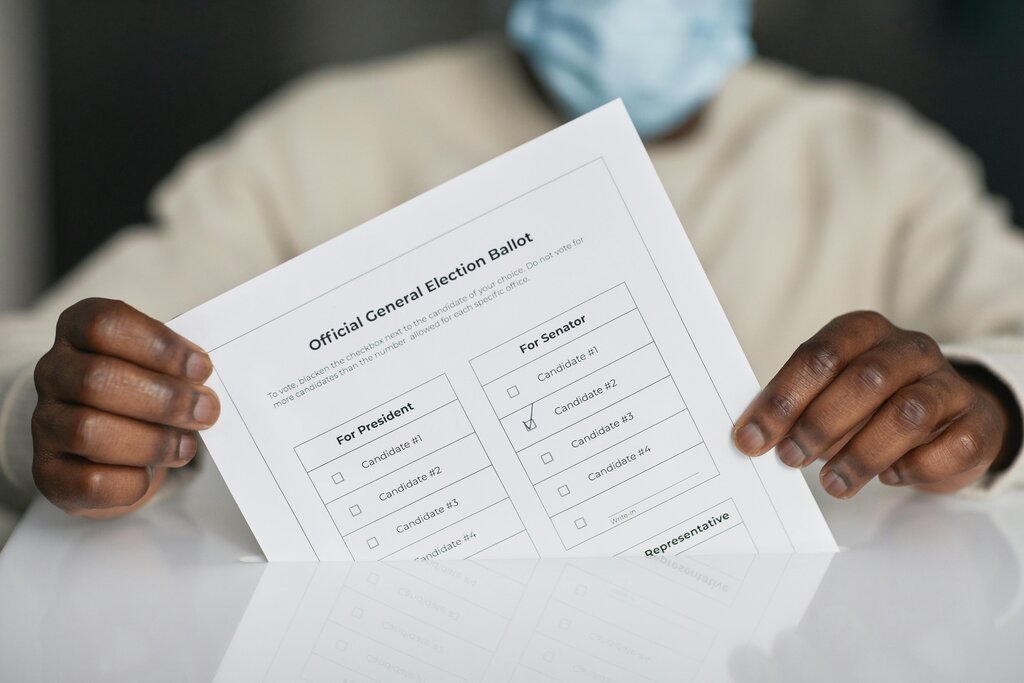
Exit Polls are conducted on Election Day itself. Pollsters wait outside polling places and ask voters who they just voted for as they leave. The goal isn't to predict the winner, though they are often used by news networks to project results. More importantly, they help us understand why the election turned out the way it did. Exit polls ask about demographic information (like age and income) and opinions on key issues, providing rich data for analyzing voting patterns.
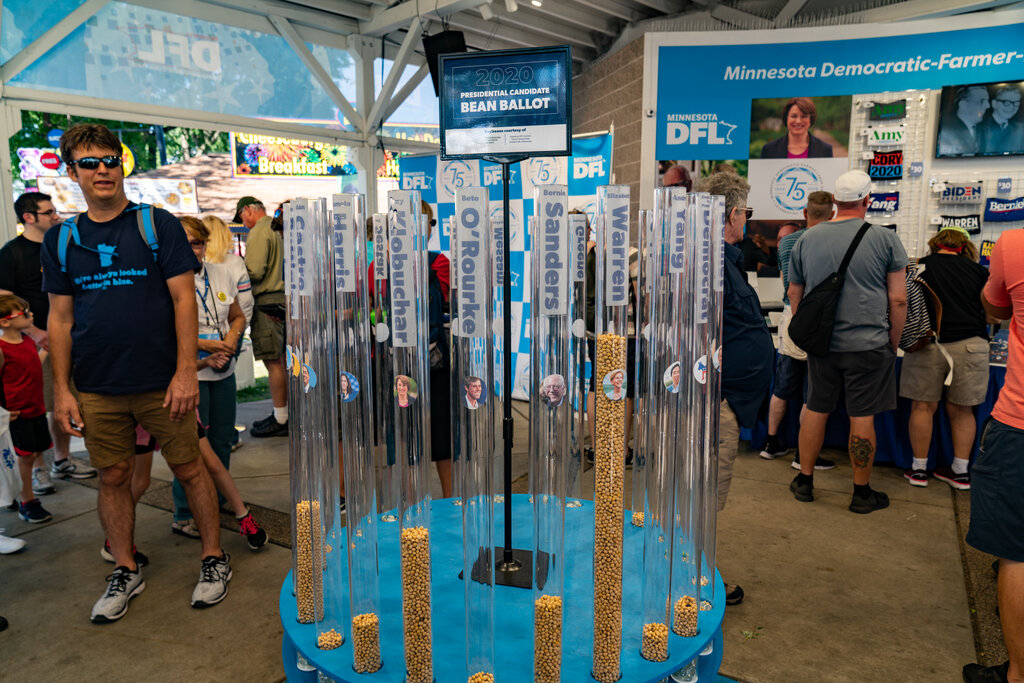
Straw Polls are informal, unscientific surveys. You might see them at state fairs, where people vote by dropping a bean in a jar, or at a party convention. While they can be a fun way to measure enthusiasm within a specific group, they aren't reliable for predicting the behavior of the general population because the participants are not randomly selected.
The Role of Polls in a Democracy
In a democratic society, polls serve as a bridge between the public and elected officials. They provide a continuous stream of information on what people are thinking, not just on Election Day, but all year round. This allows leaders to understand public priorities and concerns.
Polls also heavily influence media coverage. Candidates who poll well tend to get more media attention, which can, in turn, boost their standing with voters. This can sometimes create a "bandwagon effect," where voters rally to a candidate who appears to be winning. Conversely, an "underdog effect" can sometimes motivate supporters of a trailing candidate to turn out and vote.
Ultimately, polls empower the public by making their collective voice heard. They provide a way to hold leaders accountable and ensure that the political conversation reflects the will of the people.
Now, let's test what you've learned about the fundamentals of election polling.
What is the primary purpose of an election poll?
Why did the Literary Digest poll of 1936 famously fail to predict the correct winner of the presidential election?
Understanding what polls are, their history, and their different forms is the first step to becoming a savvy consumer of political news. They provide valuable insights, but they are just one tool for understanding the complex dynamics of an election.