Demystifying Election Polls
Introduction to Election Polling
What Is Election Polling?
Election polling is a way to measure public opinion before an election. Think of it as a snapshot. By asking a small, representative group of people who they plan to vote for, pollsters can estimate how the entire population might vote. The goal isn't to predict the future with perfect certainty, but to provide a clear picture of the political landscape at a specific moment in time.
Election polls play a critical role in political discussions by probing public opinion and enabling political parties to assess their performance before elections.
These snapshots are important. For candidates, polls can reveal which messages are resonating with voters and which geographic areas need more attention. For the media, polls provide data for news stories and analysis. For the public, they offer a sense of the collective mood and the key issues driving the election. In this way, polling becomes a vital feedback loop in a democracy, connecting the will of the people to the political process.
The Evolution of Polling
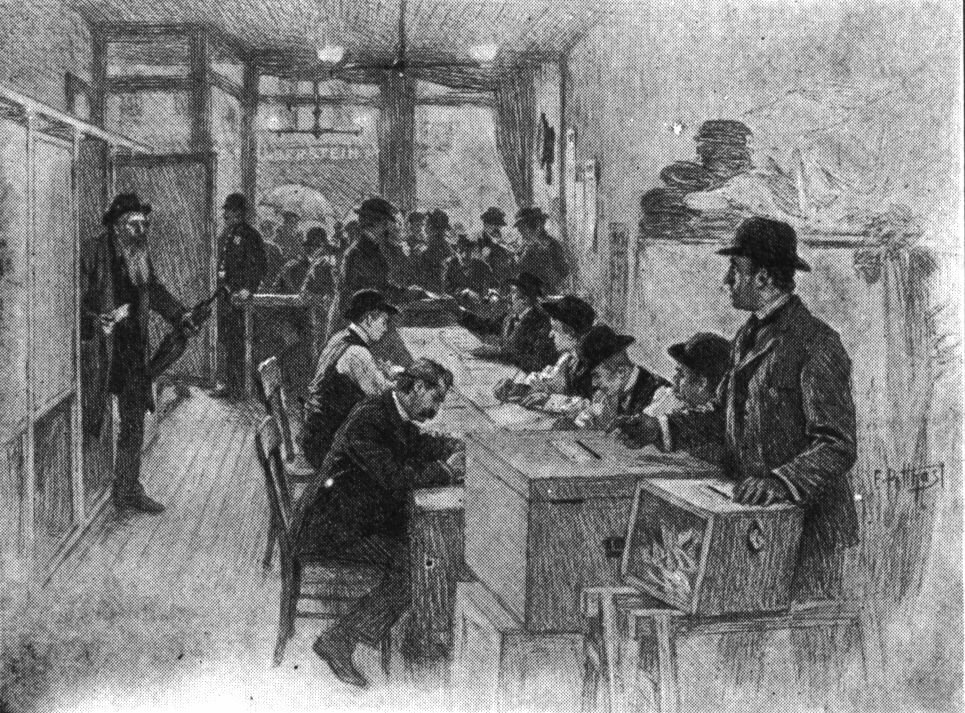
The idea of gauging public opinion isn't new. In the 19th century, American newspapers and magazines conducted informal surveys called "straw polls." They would ask readers to mail in ballots or stop people on the street to ask about their voting intentions. These polls were unscientific and often wrong, but they were the first attempt at systematic opinion gathering.
The field took a major leap forward in the early 20th century. However, it also experienced a famous failure. In 1936, a popular magazine called the Literary Digest predicted a landslide victory for presidential candidate Alf Landon. The magazine had mailed out 10 million ballots, and over 2 million were returned. But their prediction was spectacularly wrong; Franklin D. Roosevelt won in a historic landslide.
The Literary Digest's mistake was sampling. They polled their own subscribers and people from car registration lists—groups that were wealthier than the average American during the Great Depression and more likely to vote against Roosevelt.
At the same time, a new generation of pollsters like George Gallup, Elmo Roper, and Archibald Crossley were developing more scientific methods. They used smaller but more representative samples of the population and correctly predicted Roosevelt's victory. This event marked a turning point, establishing scientific sampling as the foundation of modern polling.
Who Conducts the Polls?
Today, a wide variety of organizations conduct election polls. You can generally group them into a few categories.
| Polling Organization Type | Primary Role |
|---|---|
| Media Outlets | Partner with professional polling firms to produce polls for news reporting and public information. Examples include major newspapers and TV networks. |
| Academic Institutions | Conduct research on public opinion and political behavior. Their polls are often used for scholarly analysis and are known for methodological rigor. |
| Private Polling Firms | Work for various clients, including political campaigns, corporations, and media. Some are non-partisan, while others work for specific political parties. |
| Campaigns & Parties | Conduct their own internal polls (called "internals") to guide campaign strategy, test messages, and track their progress against opponents. |
Each of these groups has a different reason for polling, but they all contribute to the rich stream of data we see during an election season. Reputable organizations are transparent about how they conduct their polls, allowing experts and the public to evaluate their accuracy and fairness.
Ready to check your understanding? Let's see what you've learned about the basics of election polling.
What is the primary purpose of an election poll, as described in the text?
The early 'straw polls' conducted by 19th-century newspapers were highly scientific and usually accurate.
Understanding what polls are, where they came from, and who makes them is the first step. Next, we'll explore the different methods pollsters use to get their results.