Demystifying Election Polls
Introduction to Election Polls
What Are Election Polls?
An election poll is a survey of public opinion. Think of it as a snapshot. It’s a way to understand what a small group of people thinks at a specific moment, with the goal of getting a sense of the larger population's views. Instead of asking every single voter who they plan to vote for, pollsters ask a smaller, representative sample.
The main purpose of these polls is to gauge the political landscape. News organizations use them to report on the state of a race, while candidates use them to shape their campaign strategy. Polls can reveal which candidate is ahead, what issues voters care about most, and how different groups of people—like men and women, or older and younger voters—are leaning.
A Brief History of Polling
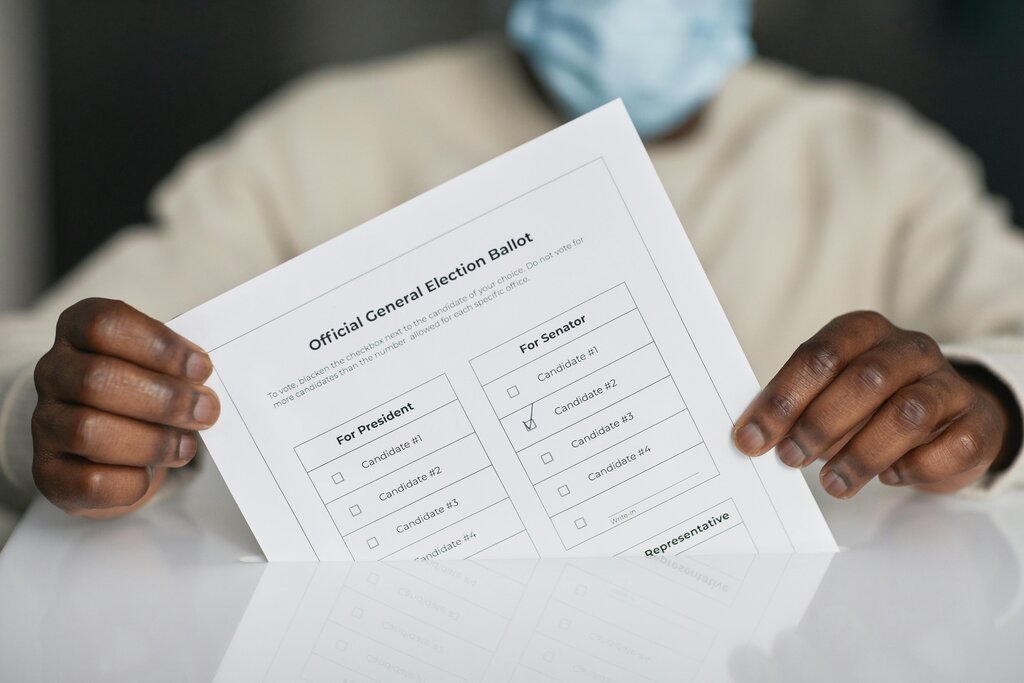
Early election polls were informal and often unreliable. In the 19th and early 20th centuries, American newspapers and magazines would conduct "straw polls." They might ask their readers to mail in a postcard with their preference or conduct unscientific surveys in the street. These polls were fun, but they weren't very accurate because they didn't survey a representative slice of the population.
straw poll
noun
An unofficial ballot conducted as a test of opinion.
The most famous failure was the Literary Digest poll of 1936. The magazine surveyed millions of its readers, who were mostly wealthier Americans, and confidently predicted that Alf Landon would defeat President Franklin D. Roosevelt. They were spectacularly wrong. Roosevelt won in a landslide. The poll's sample was biased; it didn't reflect the general voting public, which included many working-class voters who strongly supported Roosevelt.
This event opened the door for pioneers like George Gallup, who used scientific sampling methods to survey a much smaller but more representative group of voters. Gallup correctly predicted Roosevelt’s victory, and modern polling was born. Over the years, methods have continued to evolve, moving from face-to-face interviews to random telephone calls, and now to online surveys and automated calls to adapt to new technologies.
Types of Polls
Not all polls are the same. Here are a few common types you'll encounter during an election season:
Opinion Polls: These are the most common. They track public opinion and support for candidates over time. When you see a news report saying a candidate is "up by five points," it's referring to an opinion poll.
Exit Polls: These are conducted on Election Day. Pollsters wait outside polling places and ask voters who they just voted for. Media organizations use this data to project winners shortly after the polls close, often before all the official votes are counted.
Push Polls: This one is a wolf in sheep's clothing. A push poll isn't a real poll at all. It's a political tactic disguised as a survey. The questions are designed to spread negative, and often false, information about a candidate to "push" voters away from them.
How Polls Shape Politics
Polls don't just measure public opinion; they can also influence it. The media often focuses on the "horse race" aspect of an election—who's winning and who's losing—which is largely driven by polling data. This coverage can create a "bandwagon effect," where voters rally to the candidate who appears to be ahead. Conversely, it can create an "underdog effect," motivating supporters of a trailing candidate to turn out and vote.
Campaigns rely heavily on internal polling to make strategic decisions. Polling data tells them where to spend money on advertising, which states to visit, and what messages resonate most with undecided voters. A poll showing a candidate is weak on a certain issue might prompt their team to craft new speeches or ads to address that perception.
But for all their influence, it's crucial to see polls for what they are: estimates, not predictions. They provide valuable insight, but they aren't crystal balls.
Here’s the most important thing to remember about election polls: they are not instruments of prediction.
Let's review some of the key ideas we've covered.
Ready to test your knowledge?
What is the primary goal of conducting an election poll?
The infamous Literary Digest poll of 1936 incorrectly predicted Alf Landon would defeat Franklin D. Roosevelt. What was the main reason for this failure?
Polls are a fundamental part of modern elections, offering a window into the minds of voters and shaping the entire political conversation.