Demystifying Design Thinking Models
Introduction to Design Thinking
Solving Problems with People
How do you solve a tricky problem? A common approach is to brainstorm solutions based on what you think will work. Design thinking flips that script. It’s a creative problem-solving process that starts by deeply understanding the people you're trying to help.
Design thinking starts with people, not products.
Instead of jumping to solutions, you first step into the user's world. It's less about asking "What can we build?" and more about asking "What does this person truly need?"
The concept isn't brand new. It has roots in the work of thinkers like Herbert A. Simon in the 1960s and was later popularized by the design firm IDEO. They showed how methods used by designers to create products could be applied to solve all sorts of complex challenges, from business strategy to social issues.
A Human-Centered Approach
The heart of design thinking is empathy. This means setting aside your own assumptions and making a genuine effort to see the world from another person's perspective. It's the difference between guessing what someone wants and knowing what they need because you've listened and observed.
Imagine designing a new coffee cup. You could assume people want a bigger cup. But by observing coffee drinkers, you might discover their real problem is that their hands get too hot. The solution isn't a bigger cup, but a better grip or an insulated sleeve. That insight only comes from a human-centered focus.
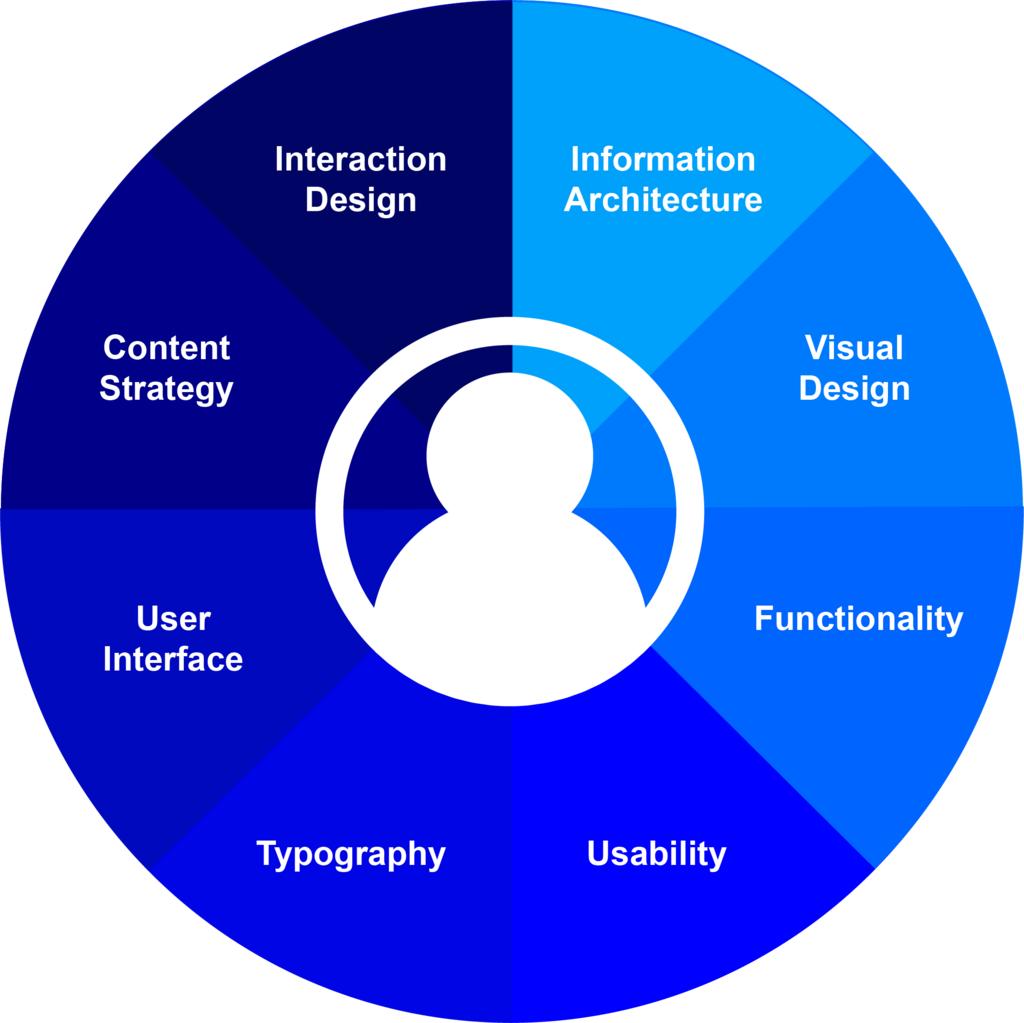
This approach puts the user at the center of every stage of the process, ensuring that the final solution is not just functional, but also meaningful and desirable to the people who will use it.
The Core Principles
While there are many specific models for design thinking, they all share a few core principles.
Empathy
noun
The ability to understand and share the feelings of another. In design, this means observing and engaging with users to understand their experiences and motivations.
Collaboration: Design thinking is a team sport. It thrives on bringing together people with diverse skills and viewpoints. An engineer, a marketer, a customer service representative, and an end-user will all see a problem from different angles. This clash of perspectives is where creative breakthroughs often happen.
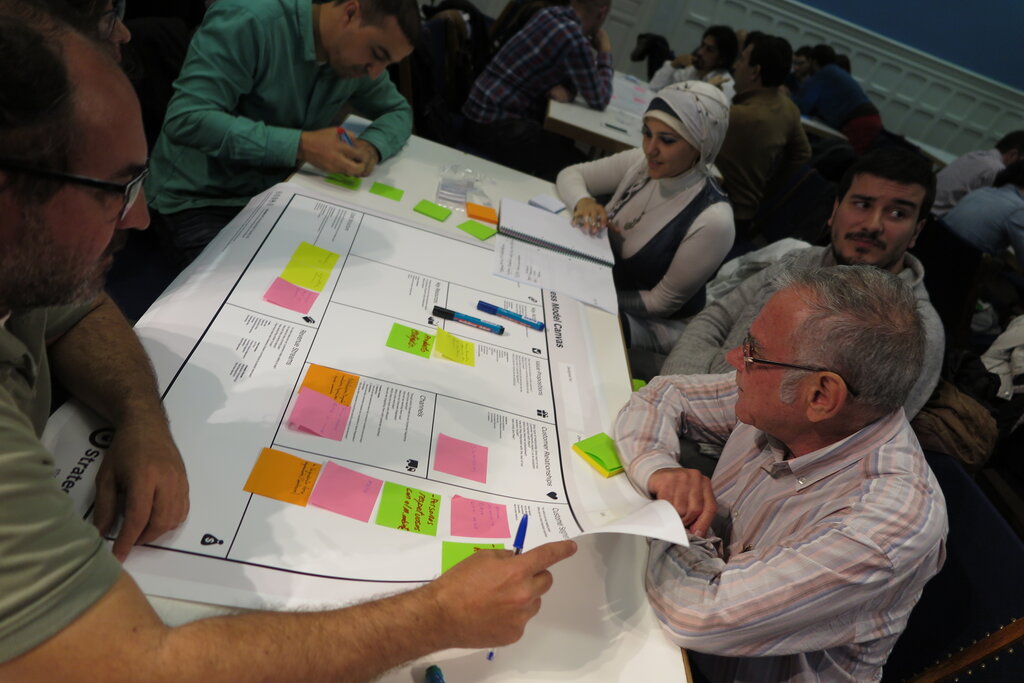
Ideation: This is the creative, judgment-free phase of brainstorming. The goal is to generate a wide range of ideas. Quantity is valued over quality at this stage. Wild and unconventional ideas are encouraged, because they can often lead to the most innovative solutions.
Experimentation: Ideas don't stay on the whiteboard. Design thinking is about action. Teams create simple, low-cost experiments or prototypes to test their ideas with real users. This iterative cycle of building, testing, and learning helps refine solutions quickly and reduces the risk of building the wrong thing.
Design Thinking encourages experimentation and iteration, reducing the fear of failure.
Where It's Used
Design thinking isn't just for creating physical products. Its principles are used across a huge range of industries to tackle diverse challenges.
- Business: Companies use it to design new services, improve customer experiences, and develop innovative business models.
- Healthcare: Hospitals apply it to rethink patient care, from redesigning waiting rooms to improving how medical information is communicated.
- Education: Teachers and administrators use it to create more engaging curricula and learning environments that better meet student needs.
- Social Sector: Non-profits and government agencies use design thinking to address complex social problems like poverty, public health, and environmental sustainability.
Essentially, anywhere a human experience can be improved, design thinking has a role to play. It provides a structured yet flexible way to approach problems with creativity and a deep sense of purpose.
Time to check your understanding of these core concepts.
What is the primary starting point of the design thinking process?
The core principle of design thinking, empathy, involves setting aside your own assumptions to see the world from another person's perspective.