Demystifying Cryptocurrency
Introduction to Blockchain
What Is a Blockchain?
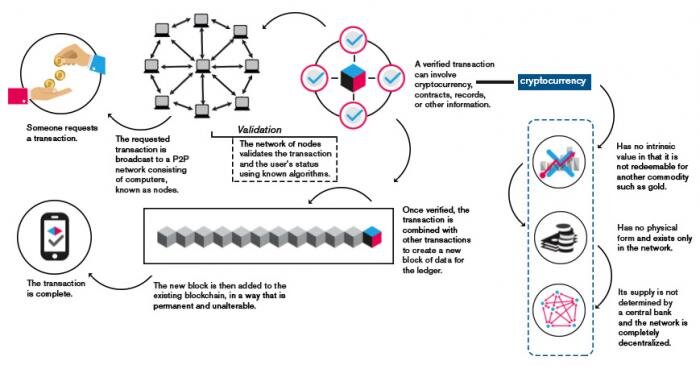
At its core, a blockchain is a special kind of database, often described as a digital ledger. Think of it like a shared notebook that's copied and spread across a network of computers. Every time a new entry, or transaction, is made, it gets added to everyone's notebook. This shared nature means no single person or entity is in charge, which is a key concept called decentralization.
At its most basic level, a blockchain is a digital ledger maintained by a decentralized network of computers.
Instead of a bank or government controlling the ledger, the participants in the network work together to maintain and validate it. This creates a system that is both transparent and resistant to tampering.
The Building Blocks
The name "blockchain" hints at its structure. It's literally a chain of blocks. Let's break down the main components: blocks, chains, and the nodes that support them.
block
noun
A collection of data, such as transaction records, bundled together and added to the blockchain.
A block is like a page in our digital notebook. It records a list of transactions. To ensure its security and place in the sequence, each block also contains two other crucial pieces of information: a unique code called a hash (like a digital fingerprint) and the hash of the block that came before it.
This structure creates the chain. By including the previous block's hash, each new block is cryptographically linked to the one before it, forming an unbroken and chronological sequence. If someone tried to alter the data in an old block, its hash would change. This would break the link to the next block, and the rest of the network would immediately notice and reject the change. This is what makes the blockchain so secure and immutable, or unchangeable.
node
noun
A computer connected to a blockchain network that helps maintain the ledger by storing a copy of it and validating transactions.
The network itself is made of nodes. These are the computers run by individuals or groups all over the world. Each node keeps a full copy of the blockchain. When a new block of transactions is proposed, the nodes check it to make sure everything is valid before adding it to their copy of the ledger.
How Everyone Agrees
With no central authority, how do all the nodes in a decentralized network agree on which transactions are valid and which blocks to add to the chain? They use a consensus mechanism. This is a set of rules that governs how the network reaches an agreement. The two most common types are Proof of Work and Proof of Stake.
| Mechanism | How it Works | Analogy |
|---|---|---|
| Proof of Work (PoW) | Nodes (called miners) compete to solve a complex mathematical puzzle. The first one to solve it gets to add the next block and is rewarded. | A race where only the winner gets to update the official record. |
| Proof of Stake (PoS) | Nodes (called validators) are chosen to create new blocks based on the amount of cryptocurrency they are willing to "stake" or lock up as collateral. | A lottery where your chances of winning are based on how many tickets you own. |
Proof of Work is known for being extremely secure, but it requires an immense amount of computing power and energy. Proof of Stake was developed as a more energy-efficient alternative, as it doesn't require the same intense computational race.
Benefits and Challenges
The structure of blockchain technology offers several key benefits.
- Transparency: Most blockchains are public, meaning anyone can view the ledger of transactions. This creates an open and auditable system.
- Security: The combination of cryptographic hashing and decentralization makes it incredibly difficult for any single party to alter records or commit fraud.
- Immutability: Once a transaction is recorded in a block and added to the chain, it's essentially permanent and cannot be changed.
However, the technology isn't without its challenges.
One of the biggest hurdles is scalability. As a network grows, processing a large volume of transactions quickly without compromising security or decentralization becomes difficult. This is often called the "blockchain trilemma."
Another major concern, particularly for Proof of Work systems, is energy consumption. The massive amount of electricity required to power the computers competing to solve puzzles has significant environmental implications.
Ready to check your understanding? This quiz covers the core concepts of blockchain.
What is the primary purpose of including the previous block's hash in each new block?
In a blockchain network, the computers run by participants that hold a copy of the entire ledger are called what?
Understanding these fundamentals—blocks, chains, decentralization, and consensus—is the first step to grasping how this technology works.