Demystifying Crypto Insurance
Introduction to Decentralized Insurance
Insurance Without the Insurer
Imagine an insurance system without a central company. No adjusters, no lengthy claim reviews, and no corporate office. Instead, it’s run by code on a blockchain, with rules that are transparent and payouts that are automatic. This is the core idea behind decentralized insurance, a new frontier in the world of Decentralized Finance (DeFi).
Decentralized Finance (DeFi) platforms use blockchain to offer financial services without traditional intermediaries.
Traditional insurance relies on a central company to collect premiums, manage a large pool of money, and decide whether to pay out claims. This model works, but it involves intermediaries like brokers and adjusters, which adds cost and complexity. It also requires you to trust that the company will honor your claim fairly and promptly.
Decentralized insurance flips this model on its head. It uses smart contracts—self-executing contracts with the terms of the agreement written directly into code—to manage insurance pools and process claims. This creates a system that is managed by its users and governed by transparent, unchangeable rules.
| Feature | Traditional Insurance | Decentralized Insurance |
|---|---|---|
| Intermediaries | Run by a central company, brokers, and adjusters. | Managed by code (smart contracts) and participants. |
| Transparency | Internal processes are private. | Rules and transactions are public on the blockchain. |
| Claim Process | Manual review, can be slow and subjective. | Automated, based on pre-set conditions in a smart contract. |
| Accessibility | Often restricted by geography and regulations. | Globally accessible to anyone with an internet connection. |
How Blockchain Makes It Possible
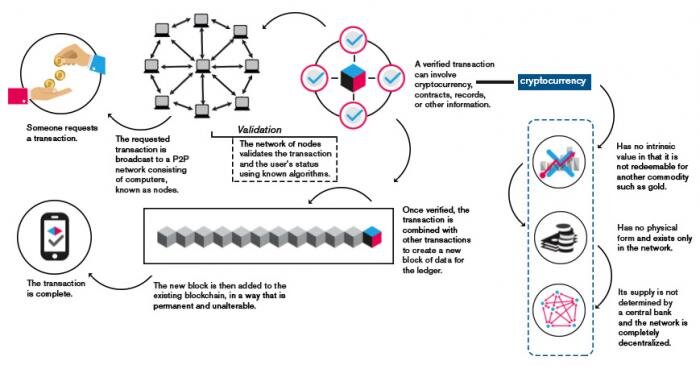
Blockchain is the technology that enables this shift. A blockchain is a distributed, immutable ledger. That means it's a shared record of transactions that is incredibly difficult to change or tamper with. This creates a foundation of trust without needing a trusted middleman.
In decentralized insurance, the blockchain serves several key functions:
- It holds the smart contracts: The rules of the insurance policy—what's covered, how much premiums are, and what triggers a payout—are coded into a smart contract that lives on the blockchain.
- It pools the capital: Premiums paid by users are collected into a transparent pool of funds, managed by the smart contract.
- It verifies claim data: To trigger a payout, the smart contract often relies on external data sources called "oracles." For example, a flight insurance policy might use an oracle to verify flight status data. If the data shows the flight was canceled, the contract automatically pays out the claim.
This process is automated and transparent. Anyone can view the smart contract's code and see the flow of funds in and out of the insurance pool.
The Benefits and Hurdles
The potential benefits of decentralized insurance are significant. By removing intermediaries, costs can be dramatically reduced, leading to lower premiums. Payouts can be nearly instantaneous, as automated smart contracts don't require manual review. The transparency of the blockchain also reduces the potential for fraud and disputes.
However, the path forward isn't without challenges. The biggest hurdle is navigating the complex world of regulation. Insurance is a heavily regulated industry, and it's not yet clear how decentralized models fit into existing legal frameworks.
There are also technical risks. A bug or vulnerability in a smart contract's code could put user funds at risk. Finally, the user experience can be daunting for newcomers who aren't familiar with cryptocurrency wallets and blockchain transactions, which limits mainstream adoption for now.
Ready to check your understanding of these core concepts?
What is the fundamental principle behind decentralized insurance?
In a decentralized insurance system, what is the primary role of a smart contract?
Decentralized insurance reimagines a centuries-old industry by leveraging technology to create more transparent, efficient, and accessible systems. While still in its early stages, it represents a fundamental shift in how we think about managing risk.