Demystifying Computer Diplomas
Introduction to Computer Science
What Is a Computer?
At its heart, a computer is a machine that follows instructions. It takes in information, processes it, and produces a result. Think of it like a lightning-fast, incredibly obedient chef. You give it a recipe (a program) and ingredients (data), and it follows the steps exactly to create a dish (the output).
This process, no matter how complex it seems, always involves four basic steps. Information flows from one component to the next in a clear, logical sequence.
- Input: This is how you give the computer information. Keyboards, mice, and touchscreens are common input devices.
- Processing: The Central Processing Unit (CPU) is the computer's brain. It performs calculations and executes instructions.
- Memory: This is where the computer stores information it's actively working with (RAM) or saving for the long term (hard drive).
- Output: This is how the computer shows you the results of its work, like through a monitor, speakers, or a printer.
CPU
noun
The Central Processing Unit, the primary component of a computer that executes instructions. It performs most of the processing inside a computer.
A Quick Trip Through Time
Computers didn't just appear overnight. Their history is a long story of human ingenuity, stretching back thousands of years. Early humans used pebbles and knotted ropes to keep track of things. The abacus, invented around 2500 BC, was one of the first tools designed specifically for calculation.
Fast forward a few thousand years. In the 17th century, Blaise Pascal created a mechanical calculator that could add and subtract. Two centuries later, Charles Babbage designed the Analytical Engine, a mechanical computer that had many features of modern machines, including memory and a processor. Ada Lovelace, working with Babbage, wrote what is considered the first computer program for this machine.
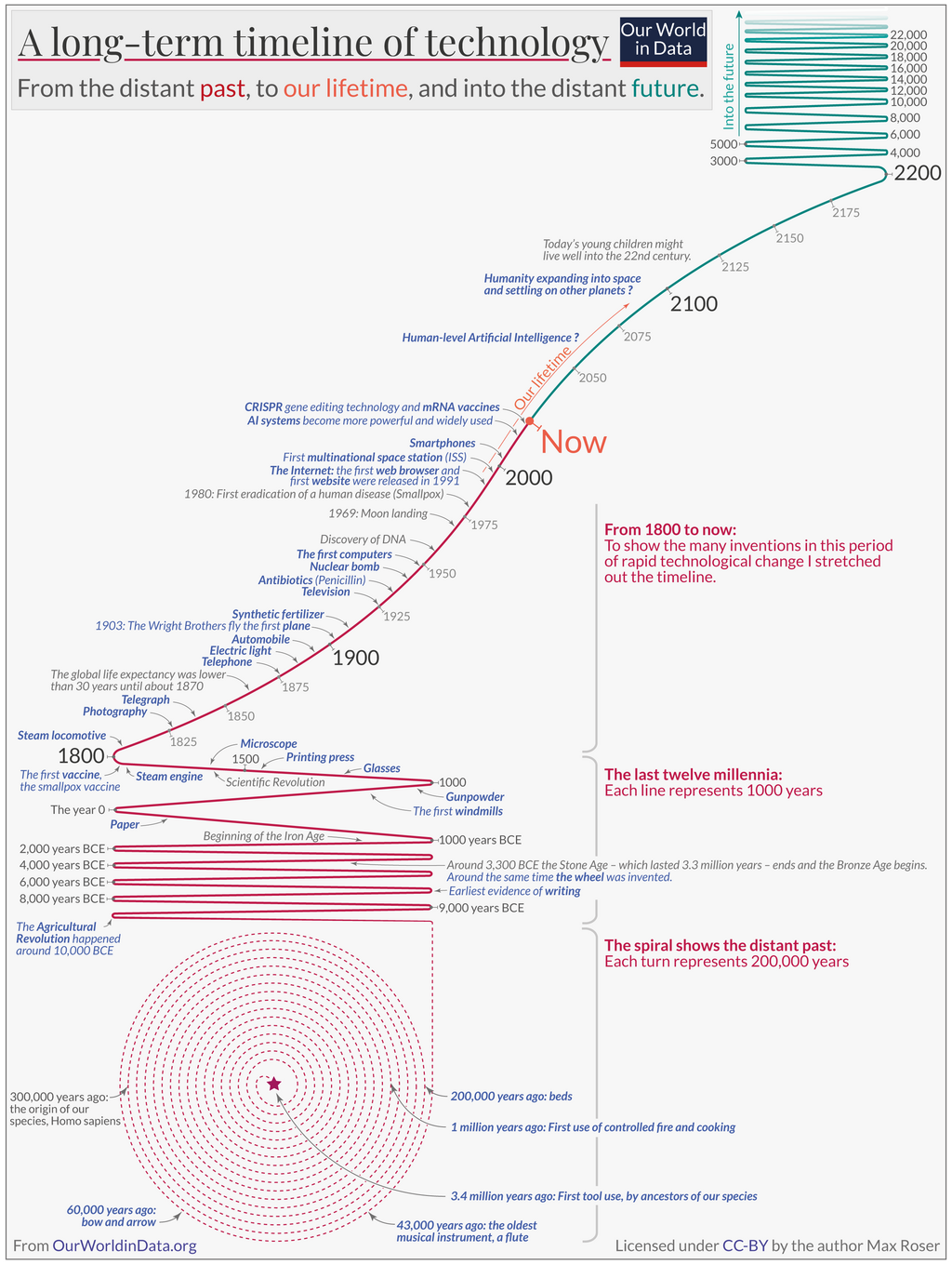
The 20th century saw the switch from mechanical gears to electrical circuits. The invention of the transistor in 1947 was a massive leap, making computers smaller, faster, and more reliable. This paved the way for the integrated circuits, microprocessors, and personal computers we use today.
The World of Computer Science
Computer science isn't just about programming. It's a broad field with many specialized areas, each focused on solving different kinds of problems.
| Discipline | What It Is |
|---|---|
| Artificial Intelligence | Making computers that can think, learn, and solve problems like humans. |
| Cybersecurity | Protecting computer systems and networks from theft, damage, or unauthorized access. |
| Data Science | Using scientific methods and algorithms to extract knowledge from data. |
| Computer Graphics | Creating images and animations with computers, used in movies, games, and design. |
| Networking | Connecting computers together so they can share information, forming the internet. |
| Software Engineering | The systematic process of designing, building, and maintaining software. |
These are just a few examples. As technology evolves, new disciplines emerge, but they all share a common foundation: using computation to create solutions and understand the world in new ways.
Ready to check your understanding?
What is the primary role of the Central Processing Unit (CPU) in a computer?
Who is credited with writing what is considered the first computer program for Charles Babbage's Analytical Engine?
Understanding these core ideas gives you a map of the digital world. You can see how the device in your hand is connected to a long history of innovation and a wide field of ongoing discovery.