Demystifying ChatGPT
Introduction to ChatGPT
What Is ChatGPT?
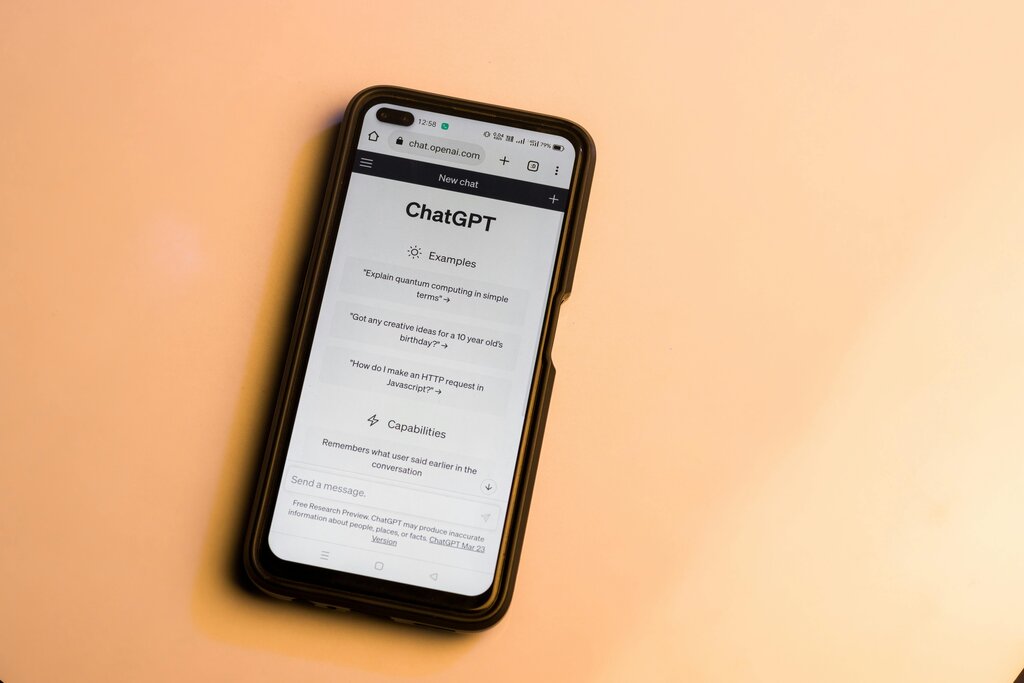
ChatGPT is a conversational AI created by the research company OpenAI. Think of it as a chatbot you can talk to, but one that has been trained on a massive amount of text from the internet. Its main job is to understand what you ask and generate a human-like, text-based response. You can ask it to explain a complex topic, write a poem, draft an email, or even help you with computer code.
The goal is to provide a natural, intuitive way for people to interact with powerful AI systems just by talking to them.
Unlike a simple search engine that points you to websites, ChatGPT synthesizes information to give you a direct answer. It can remember the context of your conversation, allowing for follow-up questions and more detailed discussions. This ability makes interacting with it feel less like using a tool and more like having a conversation with a knowledgeable assistant.
A Quick History
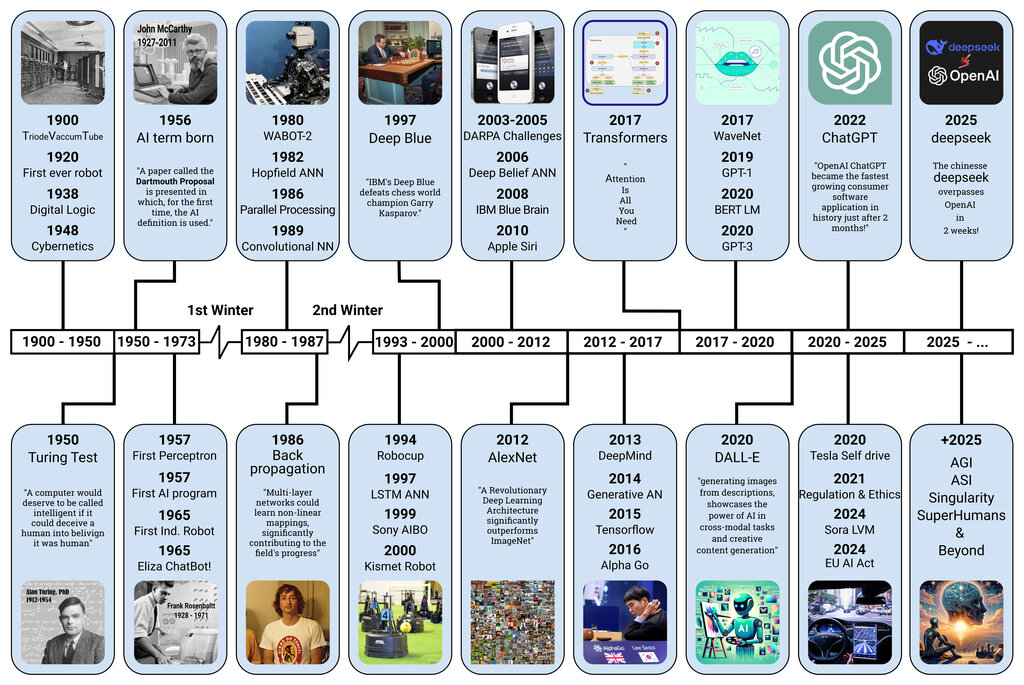
OpenAI launched ChatGPT in November 2022, and it became an overnight sensation. Within months, it had reached hundreds of millions of users, making it one of the fastest-growing applications ever. While the technology behind it had been developing for years, ChatGPT's simple, accessible interface brought the power of large language models (LLMs) to the general public for the first time.
The initial version was based on OpenAI's GPT-3.5 model. Soon after, OpenAI released GPT-4, a more powerful and capable version available through a paid subscription, ChatGPT Plus. Each new version has brought improvements in reasoning, accuracy, and the ability to understand more complex instructions.
Core Abilities
ChatGPT is incredibly versatile. Its abilities stem from its training on a diverse range of text, allowing it to understand and generate content on almost any topic. Some of its most common applications include:
| Capability | Example Usage |
|---|---|
| Content Creation | Write an essay, a blog post, or social media captions. |
| Summarization | Condense a long article or research paper into key points. |
| Translation | Translate text from one language to another. |
| Coding Assistance | Write code snippets, debug errors, or explain programming concepts. |
| Brainstorming | Generate ideas for a new business, a story plot, or a vacation itinerary. |
| Learning | Explain complex subjects like quantum physics or macroeconomics in simple terms. |
The quality of its output often depends on the quality of the input, a concept known as prompt engineering. Learning how to ask clear, specific questions is key to getting the most out of the tool.
Impact on AI
The release of ChatGPT marked a turning point for artificial intelligence. It shifted the public perception of AI from a distant, futuristic concept to a practical tool that anyone can use today. This widespread access sparked a massive wave of innovation, with developers and companies rushing to integrate similar AI capabilities into their own products.
From customer service bots to tools that help doctors summarize patient notes, generative AI is now being applied across countless industries. ChatGPT demonstrated the immense potential of large language models and accelerated the race to build even more powerful and helpful AI systems.
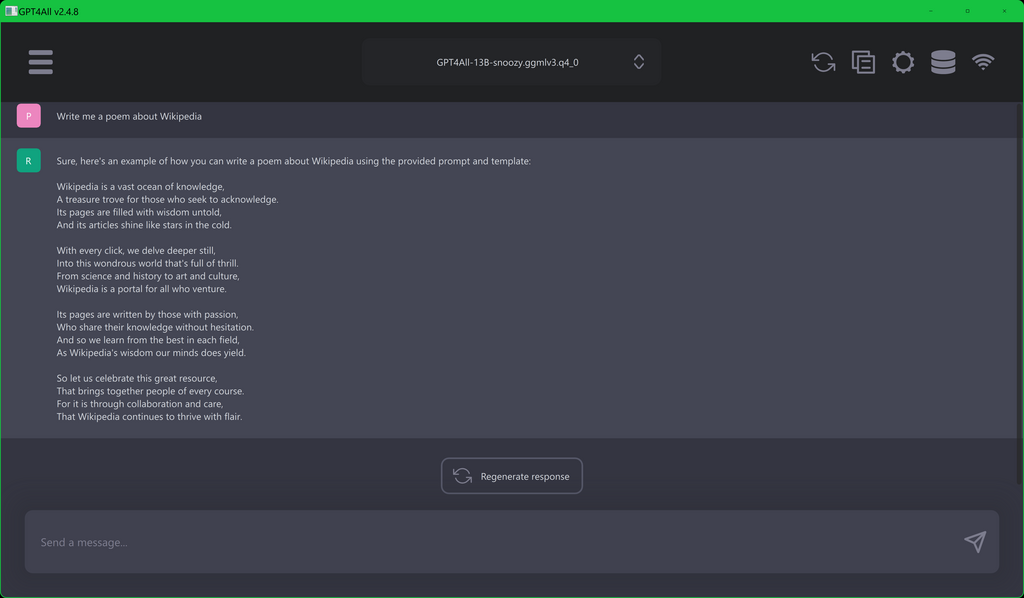
The advent of ChatGPT and similar large language models (LLMs) has revolutionized the human-AI interaction and information-seeking process.
Now that you have a basic understanding of what ChatGPT is and what it can do, let's test your knowledge.
What is the primary function of ChatGPT?
Which research company developed ChatGPT?
That covers the basics of ChatGPT. It's a powerful tool that has fundamentally changed how we interact with information and technology.