Demystifying Artificial Intelligence
Introduction to Artificial Intelligence
What is Artificial Intelligence?
Artificial intelligence is about making computers smart. The goal is to create machines that can perform tasks that typically require human intelligence, like learning, reasoning, problem-solving, and understanding language. Think of it as teaching a computer not just to follow instructions, but to think and adapt on its own.
Artificial Intelligence
noun
A branch of computer science focused on building smart machines capable of performing tasks that usually require human intelligence.
At its core, AI isn't one single technology. It's a broad field with many different approaches and goals. Early AI research, for instance, looked very different from the AI we see today.
From Rules to Learning
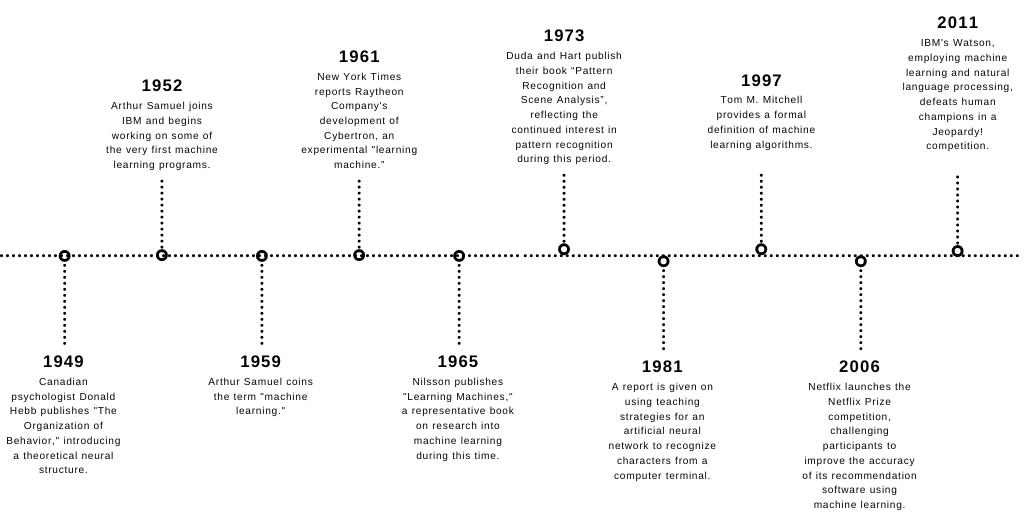
The term "Artificial Intelligence" was first used at a conference at Dartmouth College in 1956. Early researchers were optimistic, believing they could create thinking machines within a generation. Their approach is now often called Symbolic AI or "Good Old-Fashioned AI" (GOFAI).
Symbolic AI tried to create intelligence by programming a computer with a set of rules and logical statements about the world. For example, to identify a cat, you'd program rules like: "If it has fur, whiskers, and meows, then it is a cat."
This worked for well-defined, logical problems like playing chess. However, the real world is messy and full of exceptions. Writing rules for every possible situation became impossibly complex. This led to a period of reduced funding and interest known as the "AI winter."
A major shift came with machine learning. Instead of giving the computer explicit rules, developers started feeding it huge amounts of data and letting it learn the rules for itself. To identify a cat, you would show the system thousands of pictures of cats, and it would learn to recognize the patterns on its own.
The Branches of AI
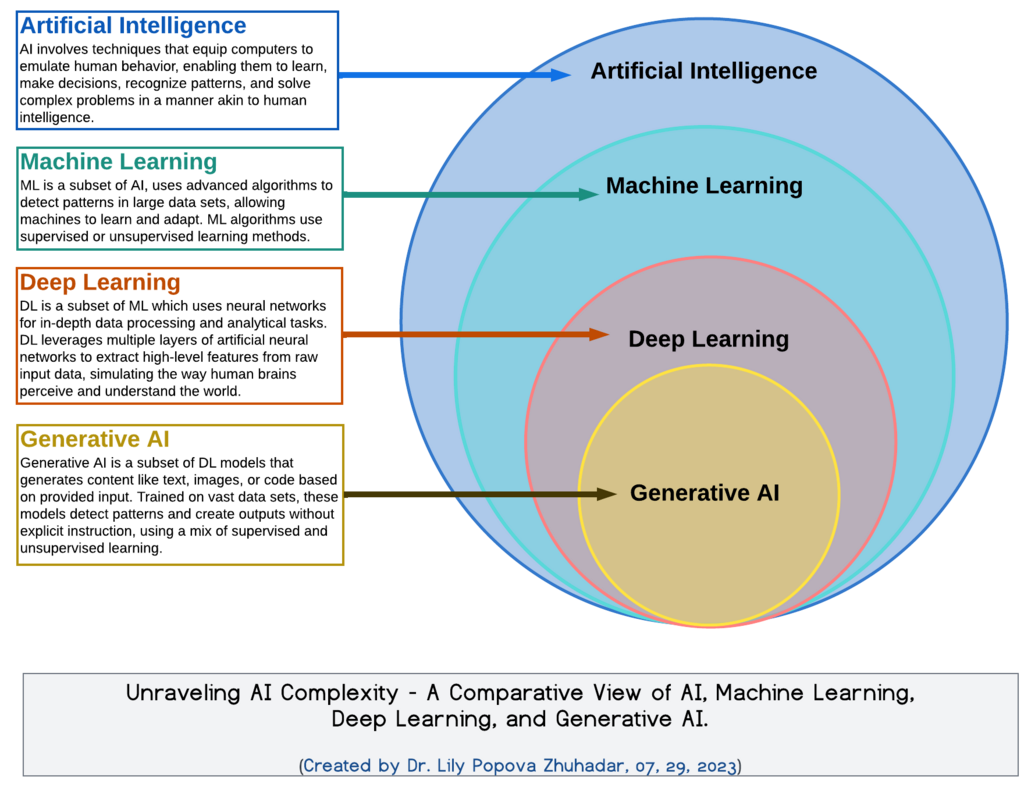
Today, AI is a vast field with many specializations. Machine learning is a major subfield, and deep learning, which uses complex neural networks, is a subfield of machine learning. This is the technology behind many recent breakthroughs, from self-driving cars to advanced chatbots.
Other important branches include:
- Natural Language Processing (NLP): Enabling computers to understand and generate human language. This powers voice assistants and translation apps.
- Computer Vision: Giving machines the ability to interpret and understand visual information from the world, like recognizing faces or objects in an image.
- Robotics: Designing and building robots that can perform tasks in the physical world.
Ethics and Impact
As AI becomes more powerful, its societal impact grows. This brings up important ethical questions we need to address. Who is responsible when an AI makes a mistake? How do we prevent AI systems from learning and amplifying human biases found in data? If an AI is trained on biased hiring data, it might unfairly favor certain candidates.
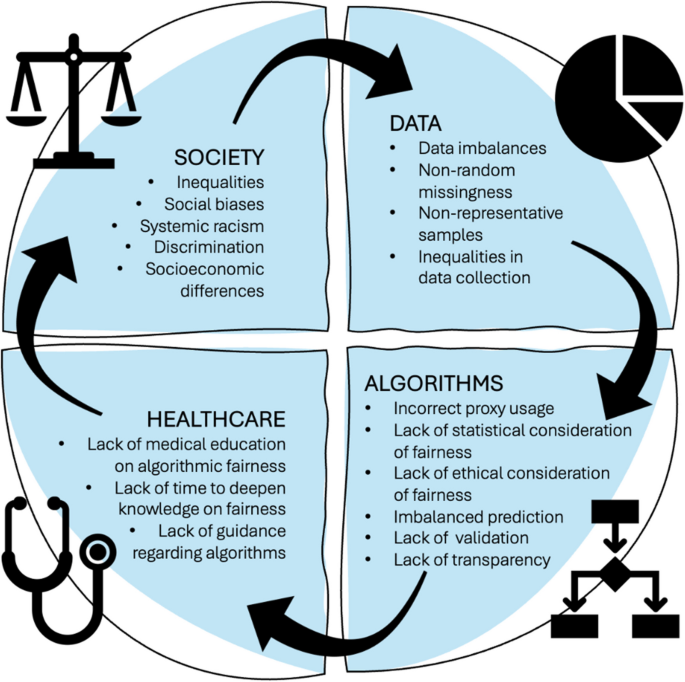
Ensuring fairness, transparency, and accountability in AI systems is a major challenge. We must also consider the impact of AI on jobs, privacy, and security. As these tools become integrated into our daily lives, from healthcare diagnostics to financial markets, it's crucial to develop and use them responsibly.
Ready to check your understanding of these core concepts?
What is the primary goal of Artificial Intelligence (AI)?
The early approach to AI, often called 'Good Old-Fashioned AI' (GOFAI), primarily relied on feeding computers massive datasets to learn from.
Understanding the basics of AI is the first step in navigating our increasingly automated world. It's a field built on decades of research that continues to evolve at a rapid pace.