Demystifying Artificial Intelligence
Introduction to AI
What Is Artificial Intelligence?
Artificial Intelligence, or AI, is the science of making machines that can think and learn like humans. It's about creating systems that can perform tasks that normally require human intelligence, such as understanding language, recognizing patterns, and making decisions.
The goal of AI is to create machines that can reason, learn, and act autonomously.
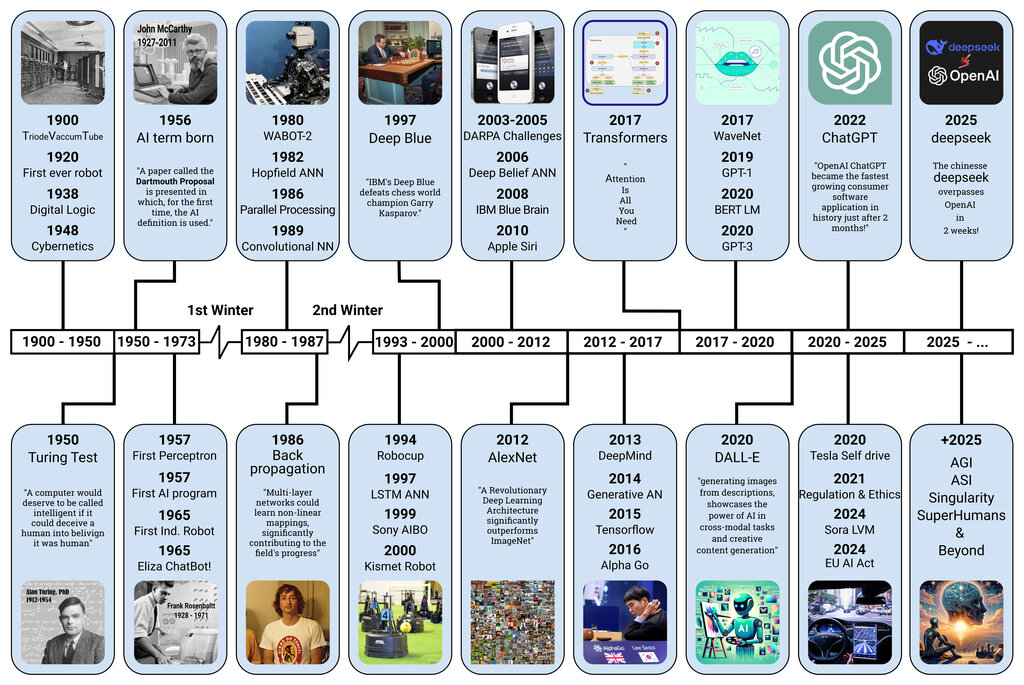
The idea isn't new. Philosophers have wondered for centuries if machines could think. But the modern field of AI officially began in the summer of 1956 at a workshop at Dartmouth College. There, a group of scientists gathered to explore the possibility of creating intelligent machines. This event kicked off decades of research, leading to the powerful AI tools we use today.
The Branches of AI
AI isn't a single technology; it's a broad field with many specializations. Think of it like medicine, which has branches like cardiology and neurology. Some of the most important branches of AI are Machine Learning, Deep Learning, Natural Language Processing, and Computer Vision.
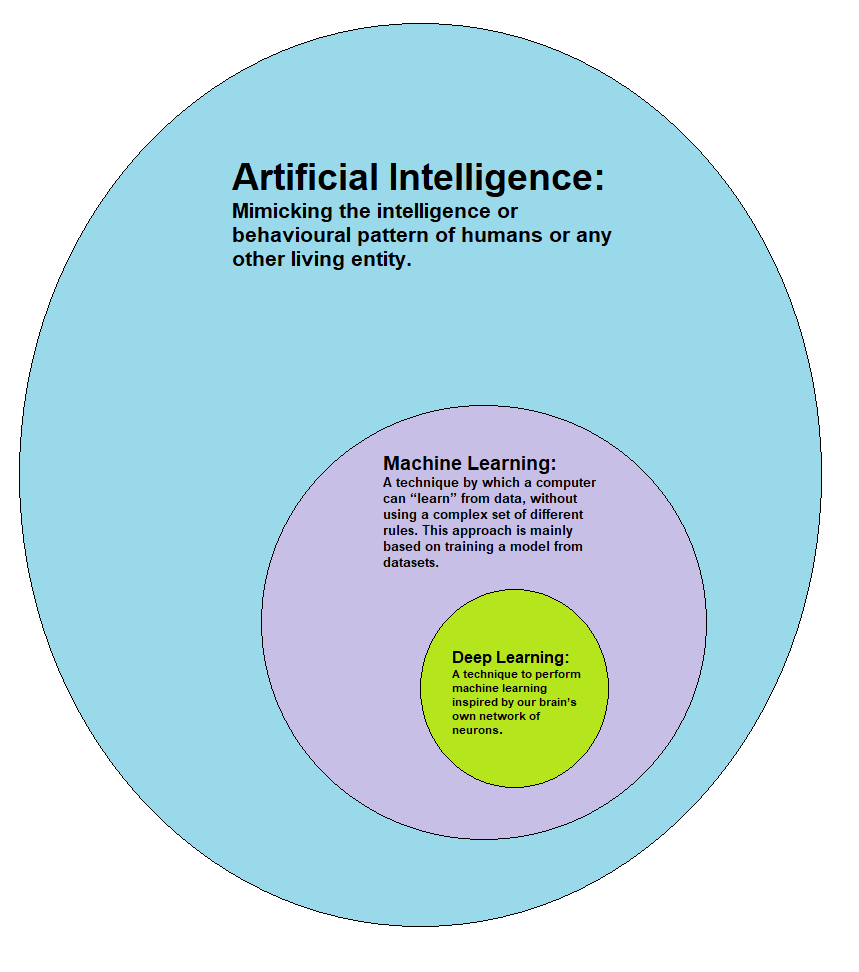
Machine Learning (ML) is the most common type of AI. Instead of being programmed with explicit rules, an ML system learns directly from data. It identifies patterns and makes predictions. Your email's spam filter is a great example: it learns to spot junk mail based on thousands of examples.
Deep Learning is a powerful subfield of ML inspired by the structure of the human brain. It uses complex networks, called neural networks, to learn from vast amounts of data. This is the technology behind self-driving cars recognizing pedestrians and streaming services recommending what you should watch next.
Natural Language Processing (NLP) focuses on the interaction between computers and human language. NLP allows machines to read, understand, and generate text and speech. Digital assistants like Siri and Alexa use NLP to understand your commands, and translation apps use it to convert languages in real time.
Computer Vision gives machines the ability to "see" and interpret the visual world. Using images and videos, computer vision systems can identify objects, people, and places. It's used in everything from facial recognition on your phone to medical imaging analysis that helps doctors spot diseases earlier.
AI in the Real World
AI is no longer science fiction. It's woven into our daily lives and industries.
In healthcare, AI helps analyze medical scans to detect cancers and other conditions with remarkable accuracy. It also predicts disease outbreaks and helps personalize treatment plans for patients.
In finance, AI algorithms detect fraudulent transactions by spotting unusual spending patterns. They also power high-frequency trading and provide personalized financial advice through robo-advisors.
In entertainment, AI curates your experience. Recommendation engines on platforms like Netflix and Spotify learn your tastes to suggest new movies and music. In video games, AI controls non-player characters, making virtual worlds feel more alive and challenging.
Even shopping is shaped by AI. Online retailers use it to show you personalized ads and product recommendations. In physical stores, AI helps manage inventory to make sure your favorite items are in stock.
The Ethics of AI
As AI becomes more powerful, it's crucial to consider the ethical challenges it presents. Building AI responsibly means tackling issues of bias, privacy, and transparency.
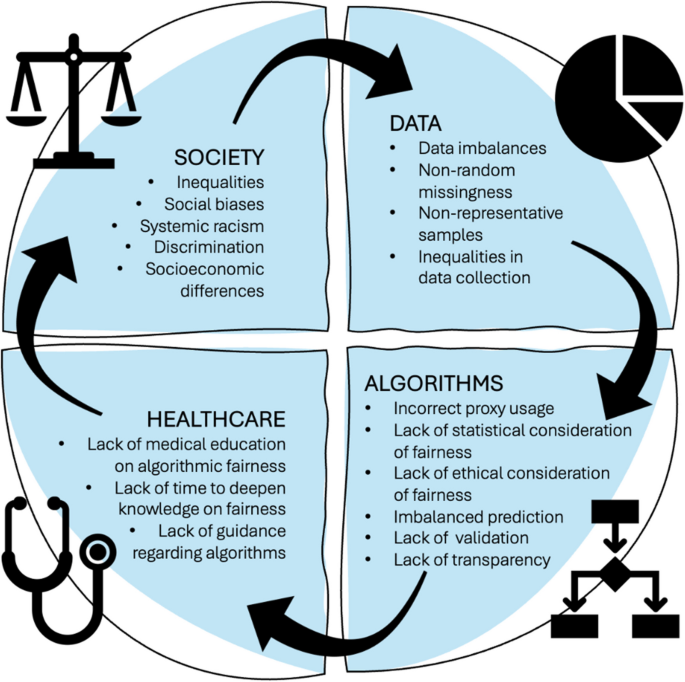
Bias: An AI system is only as good as the data it's trained on. If that data reflects existing societal biases, the AI will learn and even amplify them. For example, a hiring tool trained on historical data from a male-dominated industry might unfairly penalize female candidates. Ensuring fairness means carefully curating data and testing models for biased outcomes.
Privacy: AI systems often require massive amounts of data to work, which can include personal information. This raises serious privacy concerns. How is our data being collected, used, and protected? Regulations like the GDPR in Europe are a first step toward giving people more control over their digital footprint.
Transparency: Many advanced AI models, especially in deep learning, are considered "black boxes." This means even their creators don't fully understand how they arrive at a specific decision. This lack of transparency is a problem, especially when AI is used for critical decisions like loan applications or medical diagnoses. A key area of research is creating "Explainable AI" (XAI) that can justify its reasoning in terms humans can understand.
Responsible AI development isn't just a technical challenge; it's a social one. It requires ongoing conversation between developers, policymakers, and the public to ensure AI benefits everyone.
Time to test your knowledge on the basics of AI.
The modern field of Artificial Intelligence is considered to have officially begun at a workshop held at which institution in 1956?
Which subfield of AI is specifically designed to give machines the ability to 'see' and interpret the visual world from images and videos?
By understanding these core concepts, you're better equipped to navigate a world increasingly shaped by artificial intelligence.