Demystifying Artificial Intelligence
Introduction to Artificial Intelligence
What Is Artificial Intelligence?
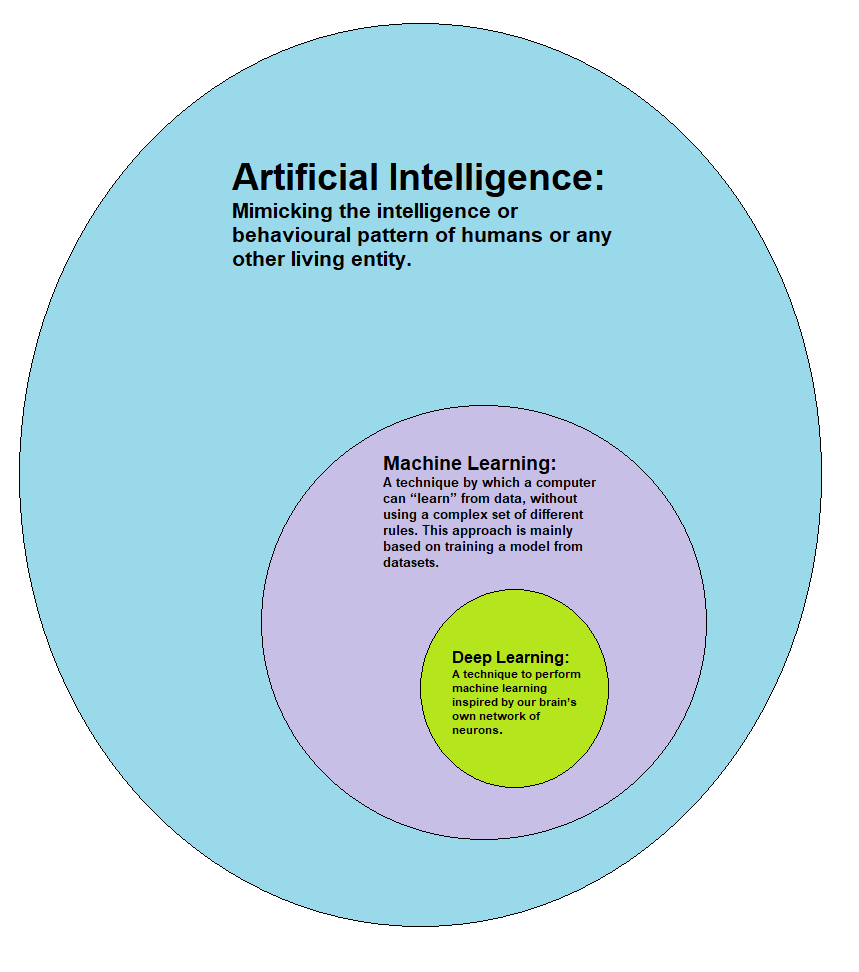
Artificial intelligence, or AI, is about making computers smart. The goal is to create systems that can perform tasks that typically require human intelligence. This includes things like learning from experience, understanding language, recognizing objects, solving problems, and making decisions.
Think of it like teaching a computer. Instead of giving it a strict set of instructions for every single task, you give it the ability to learn and adapt on its own. A simple calculator follows instructions perfectly, but it can't learn. An AI, on the other hand, can analyze data, spot patterns, and improve its performance over time without a human reprogramming it for every new situation.
The core idea of AI is to simulate human intelligence in machines, enabling them to learn, reason, and perceive.
A Brief History of AI
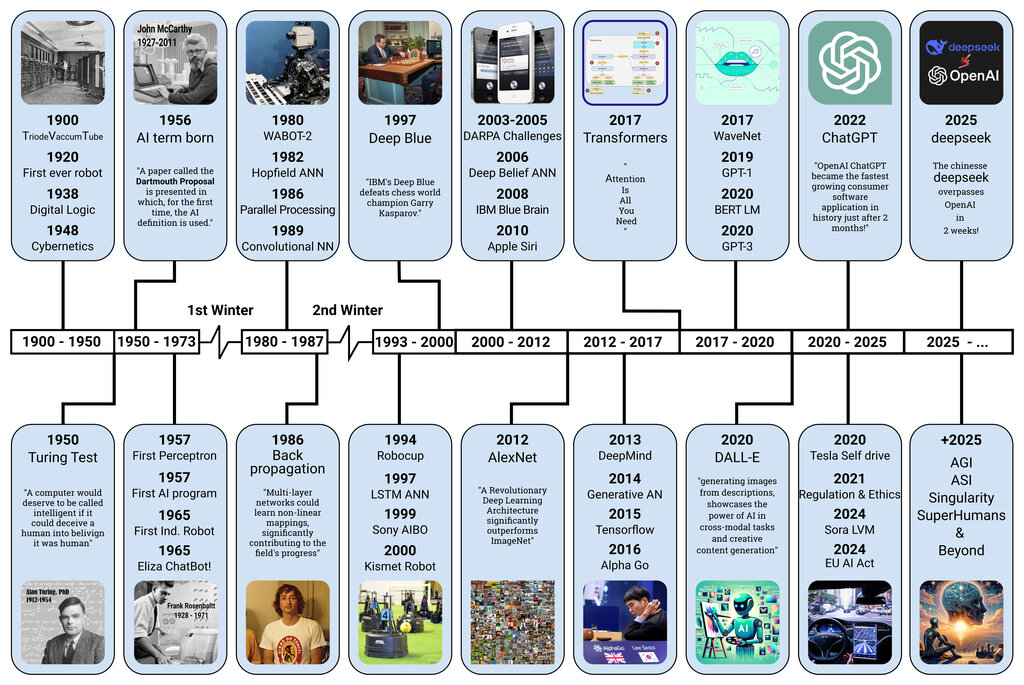
The dream of creating intelligent machines isn't new. It dates back to ancient myths about artificial beings. But the scientific journey of AI began in the mid-20th century. The term "artificial intelligence" was first coined at a workshop at Dartmouth College in 1956. Early researchers were optimistic, believing machines with human-like intelligence were just a few decades away.
Progress wasn't always a straight line. The field went through periods of high excitement and funding, followed by "AI winters" where progress stalled and interest waned. But breakthroughs in computing power and the availability of vast amounts of data eventually led to a resurgence. The development of new learning algorithms in the 2000s and 2010s sparked the AI boom we see today.
The Branches of AI
AI isn't a single technology; it's a broad field with many specialized branches. Each subfield focuses on a different aspect of intelligence. Understanding these branches helps clarify what AI can do.
| Subfield | Focus | Example |
|---|---|---|
| Machine Learning (ML) | Algorithms that allow computers to learn from data without being explicitly programmed. | A spam filter that learns to identify junk mail based on past examples. |
| Natural Language Processing (NLP) | Enabling computers to understand, interpret, and generate human language. | Voice assistants like Siri or Alexa understanding your commands. |
| Computer Vision | Teaching computers to "see" and interpret visual information from the world. | Facial recognition for unlocking your phone. |
| Robotics | Designing and building robots that can perform tasks in the physical world. | Autonomous vacuum cleaners that navigate a room on their own. |
These subfields often overlap. For example, a self-driving car uses computer vision to see the road, machine learning to make driving decisions, and robotics to control the car's movements. Together, they create powerful and complex AI systems.
Why AI Matters
AI is more than just a futuristic concept; it's already a part of our daily lives and a driving force in the modern world. It powers the recommendation engines that suggest what to watch or buy online, helps doctors diagnose diseases more accurately, and makes transportation safer and more efficient.
By automating routine tasks, AI frees up humans to focus on more creative and strategic work. It helps us find patterns in massive datasets that would be impossible for a person to sift through, leading to scientific discoveries and better business decisions. As the technology continues to evolve, its impact on society will only grow.
Let's test your understanding of these foundational AI concepts.
What is the primary goal of Artificial Intelligence?
The term "artificial intelligence" was first formally used at a workshop in 1956. Where was this workshop held?
Now you have a solid grasp of what AI is, where it came from, and its main components. This foundation will be essential as you explore more advanced topics.