Demystifying AI Tools for Knowledge Building
Introduction to AI
What Is AI Anyway?
Artificial intelligence is the science of making machines that can think or act like humans. The goal is to create systems that can reason, learn, perceive, and solve problems. It's a broad field that has captured our imagination for decades, but the core idea is simple: building smart machines.
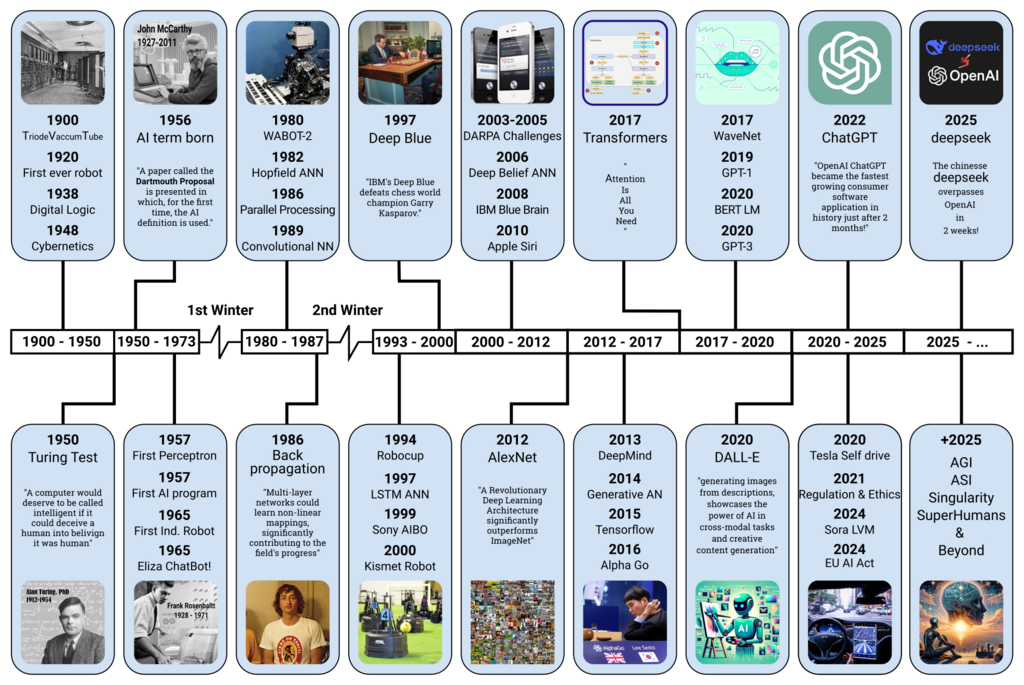
The concept isn't new. In 1950, computer scientist Alan Turing proposed a test, now called the Turing Test, to see if a machine could exhibit intelligent behavior indistinguishable from that of a human. A few years later, in 1956, the term "Artificial Intelligence" was officially coined at a workshop at Dartmouth College. This event is often considered the birth of AI as a field of study.
Progress wasn't a straight line. The initial excitement was followed by periods of reduced funding and interest, known as "AI winters." But recent breakthroughs in computing power and the availability of massive amounts of data have fueled a resurgence. Today, AI is more powerful and accessible than ever before.
AI in the Real World
AI isn't just a futuristic concept; it's already a part of our daily lives. When you ask a voice assistant for the weather, get a movie recommendation on a streaming service, or see your email automatically filter out spam, you're interacting with AI.
Beyond these everyday conveniences, AI is transforming entire industries.
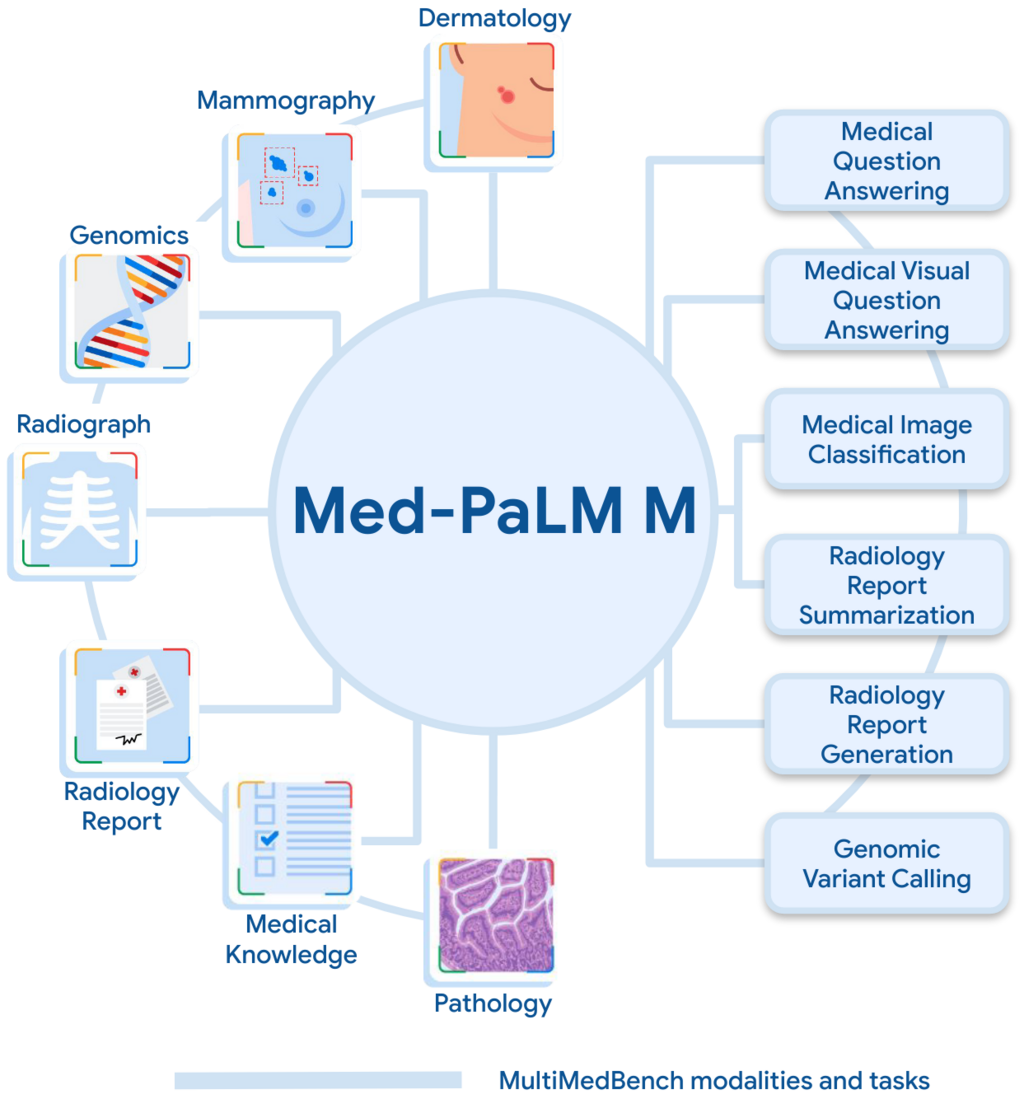
- Healthcare: AI algorithms analyze medical images like X-rays and MRIs to help doctors detect diseases like cancer earlier and more accurately.
- Finance: Banks use AI to detect fraudulent transactions in real-time, protecting customers from theft.
- Transportation: While fully self-driving cars are still in development, many modern vehicles use AI-powered features for safety, like automatic emergency braking and lane-keeping assist.
- Entertainment: AI helps create the special effects you see in movies and powers the intelligent opponents you face in video games.
- Customer Service: Many companies now use AI-powered chatbots to answer common questions, providing instant support to customers around the clock.
AI's Family Tree
The terms AI, machine learning, and deep learning are often used interchangeably, but they refer to different things. It helps to think of them as nested concepts, like Russian dolls.
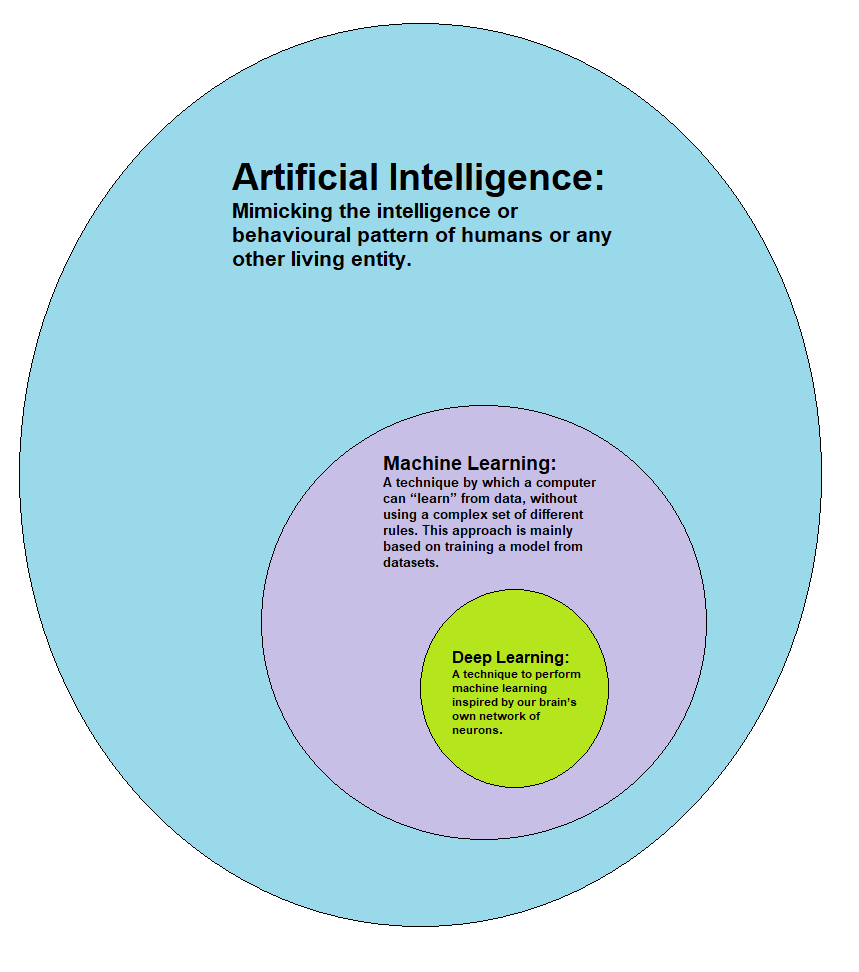
Artificial Intelligence (AI) is the all-encompassing concept. It includes any technique that enables a computer to mimic human intelligence, from advanced logic and rule-based systems to machine learning.
Machine Learning (ML) is a subset of AI. Instead of being explicitly programmed with rules, ML systems learn directly from data. They are trained on large datasets to find patterns and make predictions. Your email's spam filter is a classic example; it learns what spam looks like by analyzing thousands of examples.
Deep Learning (DL) is a further subset of machine learning. It uses complex, multi-layered structures called neural networks, which are loosely inspired by the human brain. Deep learning is particularly effective for recognizing patterns in unstructured data like images, sound, and text. It's the technology behind facial recognition and natural language translation.
In short: Machine learning is a way to achieve AI, and deep learning is a powerful technique within machine learning.
Important Ethical Questions
As AI becomes more powerful, it raises important ethical questions that we need to address as a society. These aren't just technical problems; they're human ones.
One of the biggest concerns is bias. AI systems learn from data, and if that data reflects existing societal biases, the AI will learn and potentially amplify them. For example, if an AI hiring tool is trained on historical data where men were hired more often for certain roles, it might unfairly penalize female applicants.
Privacy is another major issue. Many AI systems require vast amounts of personal data to function. How we collect, use, and protect this data is a critical concern. Who owns your data, and how is it being used to train AI models that might affect your life?
Then there's the question of accountability. If a self-driving car causes an accident, who is responsible? The owner, the manufacturer, or the software developer? Establishing clear lines of responsibility is essential for building trust in AI systems.
Finally, there is the long-term impact on jobs and society. While AI will create new jobs, it will also automate many existing ones. Thinking about how to manage this transition and ensure the benefits of AI are shared broadly is a challenge for everyone.

There are no easy answers to these questions. They require ongoing discussion among technologists, policymakers, and the public to ensure that AI is developed and used responsibly.
Ready to check your understanding? Let's review what you've learned.
What is the fundamental goal of Artificial Intelligence?
Arrange the following concepts from the broadest category to the most specific.
Understanding these foundational ideas is the first step. It gives you the context to explore how AI works and how you can use it.