Demystifying AI ML and Deep Learning
Introduction to Artificial Intelligence
What Is Artificial Intelligence?
Artificial intelligence is about creating computer systems that can perform tasks that normally require human intelligence. Think about what that includes: reasoning through a problem, recognizing patterns, understanding language, and learning from experience.
Artificial Intelligence, or AI, refers to the science and engineering of creating systems that can perform tasks typically requiring human intelligence.
It's not about creating a machine that thinks exactly like a human, with emotions and consciousness. Instead, the goal is to create a system that can act intelligently to achieve a specific goal. At its core, an AI system takes in information, processes it, and produces an output or action. It’s a tool designed to solve problems, often on a scale that humans can't manage.
Artificial Intelligence
noun
The theory and development of computer systems able to perform tasks that normally require human intelligence, such as visual perception, speech recognition, decision-making, and translation between languages.
Scope and Capabilities
AI isn't a single technology. It's a broad field of computer science with a wide range of capabilities. Some AI is designed for very specific, narrow tasks, while the long-term vision for others is to handle any intellectual task a human can.
Key capabilities include:
- Reasoning and Problem-Solving: An AI can analyze data to find logical connections and devise solutions to problems, from planning the best delivery route to diagnosing diseases.
- Knowledge Representation: This is how an AI stores what it
knows about the world. It’s like a library in the AI’s mind, filled with facts and rules about how things are related.
- Perception: Using sensors like cameras and microphones, AI can perceive the world around it. This allows it to recognize faces, understand spoken commands, and even navigate a self-driving car through a busy street.
This simple flow underpins almost everything AI does, from simple calculators to complex systems that predict weather patterns.
AI in Your Daily Life
You probably interact with AI every day without even realizing it. It’s the engine behind many of the services and devices you use.
When you ask a virtual assistant like Siri or Alexa for the weather, you're using AI. The system uses natural language processing to understand your request and then pulls the relevant data to give you an answer.
Streaming services like Netflix and Spotify use AI-powered recommendation systems. They analyze your viewing and listening history to suggest new movies, shows, and songs you might like. This is why your homepage looks different from your friend's.
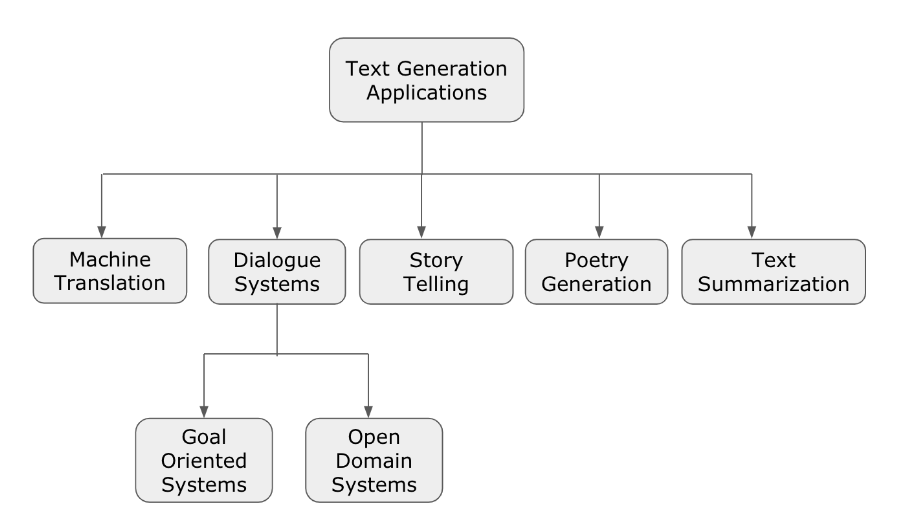
Other common applications include spam filters in your email, fraud detection alerts from your bank, and the technology that enables self-driving cars to navigate roads safely. In each case, AI is performing a task that would normally require a human to perceive, reason, and act.
The goal of AI is not to replace humans, but to augment and extend our capabilities.
What is the primary goal of Artificial Intelligence?
When a streaming service like Netflix suggests a new show based on your viewing history, which key AI capability is it primarily using?
AI is a powerful and rapidly evolving field. Understanding its basic definition, scope, and applications is the first step to grasping its impact on our world.