Democratizing Horse Racing Betting in the US
Introduction to Horse Racing
A Sport of Kings and Centuries
Horse racing is one of the world's oldest sports. From ancient chariot races in the Roman Empire to organized events in 17th-century England, the thrill of seeing which horse is fastest has captivated people for millennia. It earned the nickname "The Sport of Kings" because of its association with royalty and the aristocracy, who had the means to breed and train the best horses.
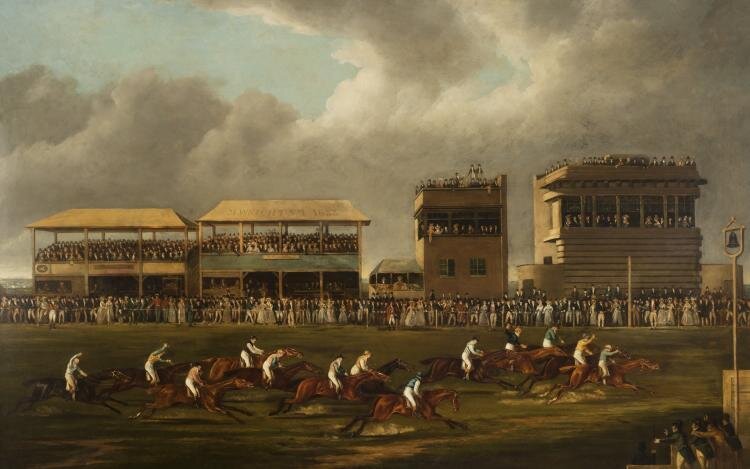
Over time, the sport became more structured and accessible. Formal rules were established, specific breeds were developed for speed and stamina, and racetracks were built across the globe. Today, it’s a massive international industry, with major events drawing huge crowds and television audiences.
The Main Events
Not all horse races are the same. While the goal is always to cross the finish line first, the style of racing and the breed of horse can vary significantly. The two most common types in the United States are Thoroughbred and Standardbred racing.
Thoroughbred
noun
A breed of horse known for its agility, speed, and spirit, primarily used in flat racing.
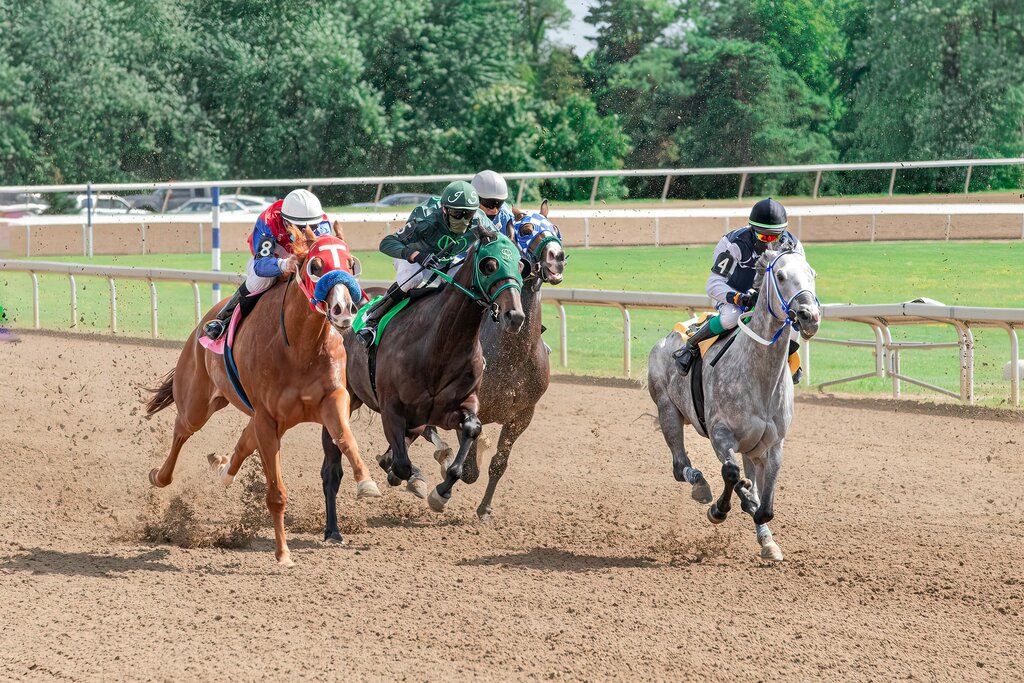
Thoroughbred racing is what most people picture when they think of horse racing. Jockeys ride on saddles, and the horses run at a full gallop around a track. This is often called "flat racing." The most famous events in the U.S., like the Kentucky Derby, Preakness Stakes, and Belmont Stakes, are all Thoroughbred races.
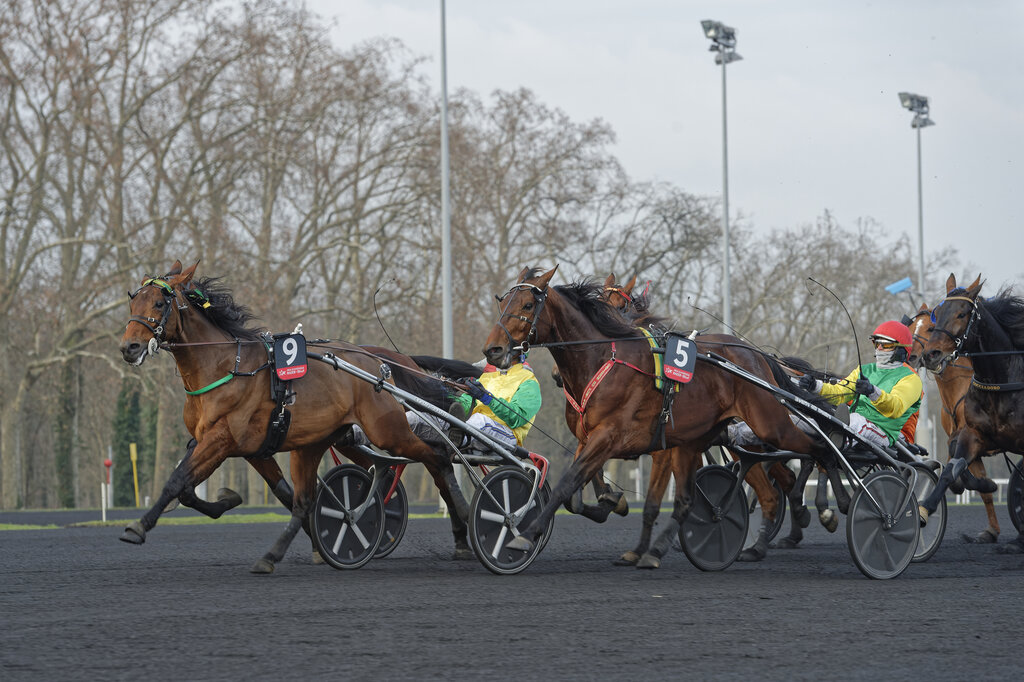
Standardbred racing, on the other hand, is quite different. The horses, called Standardbreds, pull a two-wheeled cart (a "sulky") with a driver. They compete at a specific gait, either a trot or a pace, and breaking into a gallop results in disqualification. This is also known as "harness racing."
| Feature | Thoroughbred Racing | Standardbred Racing |
|---|---|---|
| Style | Jockeys ride on saddles | Drivers are pulled in a sulky |
| Gait | Gallop | Trot or pace |
| Common Name | Flat Racing | Harness Racing |
| Famous Event | Kentucky Derby | Hambletonian |
The Team Behind the Horse
A winning horse is the result of a dedicated team working together. While the horse and jockey are the stars on race day, the owner and trainer play crucial roles behind the scenes.
The owner is the person or group who owns the horse. They cover all the expenses, including training, feeding, and veterinary care. They also make the big decisions, like which races to enter and when to retire the horse. Owning a racehorse can be a significant financial investment.
The trainer is responsible for the horse's day-to-day well-being and conditioning. They create a customized training regimen, manage the horse's diet, and ensure it's healthy and ready to compete. A good trainer knows how to bring out the best in a horse, preparing it both physically and mentally for the demands of racing.
The jockey is the athlete who rides the horse during a race. Jockeys are typically small and lightweight to put as little strain on the horse as possible. Their job is to guide the horse, execute a race strategy, and encourage it to perform at its peak. A jockey's skill and split-second decisions can often be the difference between winning and losing.
The owner pays the bills, the trainer prepares the athlete, and the jockey executes the plan on the track. All three are essential for success.
Now that you know the basics, let's review some of the key terms.
Ready to test your knowledge?
Why is horse racing often called "The Sport of Kings"?
What is a primary difference between Thoroughbred and Standardbred racing?
Understanding these core elements—the history, the types of races, and the key players—is the first step to appreciating the excitement and complexity of horse racing.