Dementia Care Essentials
Understanding Dementia
What Is Dementia?
Dementia isn't a single disease. Instead, it's a general term for a decline in mental ability that's severe enough to interfere with daily life. Think of it like the word "fever." A fever tells you something is wrong, but it doesn't tell you what is causing the sickness. Similarly, dementia is a set of symptoms, not the specific cause.
These symptoms arise when brain cells, or neurons, in particular areas of the brain stop working correctly, lose connections with other brain cells, and eventually die. This damage affects a person's ability to think, remember, and reason.
While everyone misplaces their keys now and then, the memory loss in dementia is different. It's persistent and significant, affecting a person's ability to handle everyday tasks they've always managed.
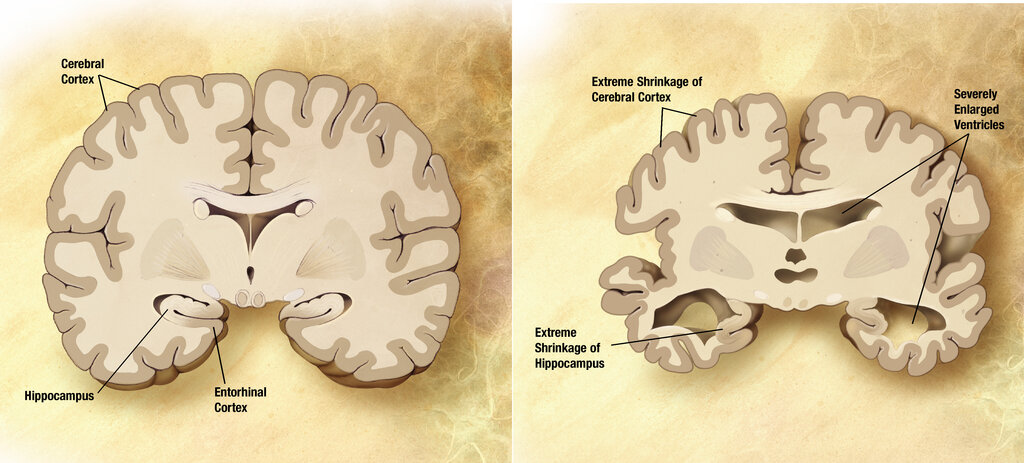
The core of dementia is cognitive decline. This can show up in several ways:
- Memory Loss: Especially trouble recalling recent events.
- Communication: Difficulty finding the right words or following a conversation.
- Reasoning and Judgment: Struggling with complex tasks, planning, or making sound decisions.
- Visual Perception: Problems interpreting what is seen, like judging distances or recognizing faces.
- Focus: Inability to pay attention or getting easily distracted.
The Major Types
Because dementia is a broad term, it's broken down into different types based on the underlying cause. Understanding the type helps predict how symptoms might progress and guides care decisions. Here are the most common ones.
Alzheimer's Disease
noun
The most common type of dementia, accounting for 60-80% of cases. It's characterized by the buildup of abnormal proteins in the brain called amyloid plaques and tau tangles. These disrupt communication between brain cells, leading to their eventual death.
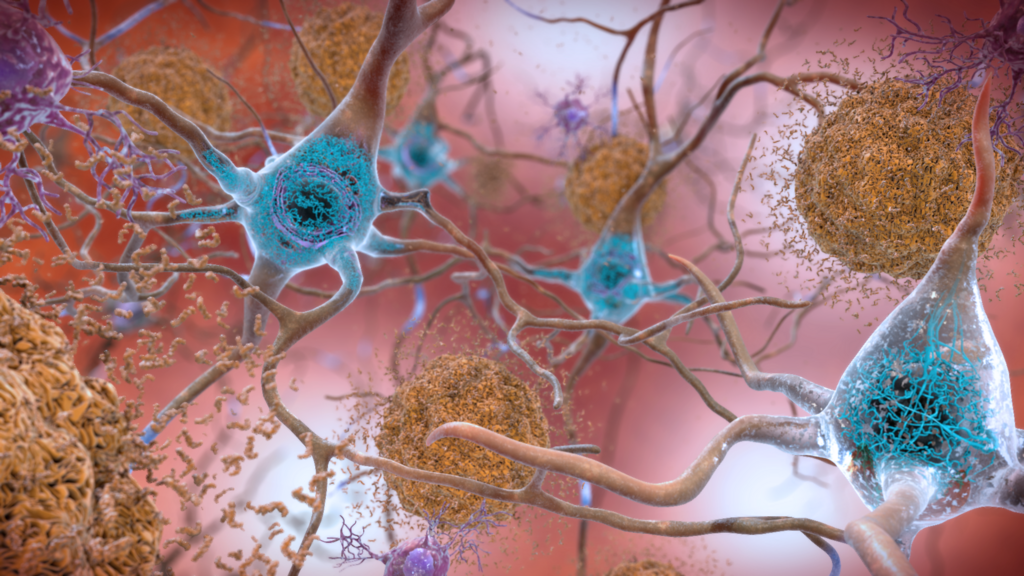
Vascular Dementia occurs due to problems with blood supply to the brain, often caused by a series of small strokes or other conditions that damage blood vessels. Unlike the slow, steady decline often seen in Alzheimer's, symptoms can appear suddenly and worsen in noticeable steps.
Lewy Body Dementia (LBD) is caused by abnormal deposits of a protein called alpha-synuclein, known as Lewy bodies. People with LBD often experience changes in attention and alertness that can fluctuate daily. They might also have visual hallucinations and movement problems similar to Parkinson's disease.
Frontotemporal Dementia (FTD) affects the frontal and temporal lobes of the brain, which are responsible for personality, behavior, and language. As a result, the earliest symptoms are often dramatic changes in personality and behavior or difficulty with speaking and understanding language, rather than memory loss.
| Type | Key Feature | Common First Symptoms |
|---|---|---|
| Alzheimer's Disease | Plaques and tangles | Difficulty remembering new information |
| Vascular Dementia | Reduced blood flow | Impaired judgment, trouble planning (step-like decline) |
| Lewy Body Dementia | Lewy body protein deposits | Fluctuating attention, hallucinations, movement issues |
| Frontotemporal Dementia | Damage to frontal/temporal lobes | Personality changes, language problems |
How Dementia Progresses
Dementia is a progressive condition, meaning it gets worse over time. While each person's journey is unique, the progression is often described in three general stages. These stages help provide a framework for understanding the changes that may occur.
Early Stage (Mild): In the beginning, a person can still function independently. They might still drive, work, and be part of social activities. However, they may feel as if they are having memory lapses, such as forgetting familiar words or the location of everyday objects. Friends and family may start to notice difficulties.
Middle Stage (Moderate): This is typically the longest stage and can last for many years. As dementia progresses, the person will require a greater level of care. They may confuse words, get frustrated or angry, and act in unexpected ways, such as refusing to bathe. Damage to nerve cells in the brain can also make it difficult for them to express thoughts and perform routine tasks without assistance.
Late Stage (Severe): In the final stage, individuals lose the ability to respond to their environment, to carry on a conversation, and, eventually, to control movement. They may still say words or phrases, but communicating pain becomes difficult. As memory and cognitive skills continue to worsen, significant personality changes may take place, and they need extensive help with daily activities.
It's time for a quick review of these foundational concepts.
Which statement best describes the term "dementia"?
A person experiencing fluctuating attention, visual hallucinations, and movement problems similar to Parkinson's disease is most likely showing signs of which type of dementia?
Understanding what dementia is, its different forms, and how it progresses is the first step in learning how to provide support and care.