Demand Forecasting Fundamentals
Introduction to Demand Forecasting
What Is Demand Forecasting?
Demand forecasting is the process of predicting future customer demand for a product or service. Think of it as a business's version of a weather forecast. Instead of predicting rain or sun, it predicts how many people will want to buy something in a specific period, whether it's next week, next month, or next year.
Simply put, it's about making educated guesses to avoid costly surprises.
Why not just wait for orders to come in? Because reacting in real-time is inefficient and expensive. If a company underestimates demand, it runs out of stock, leading to lost sales and unhappy customers who might not come back.
On the other hand, if a company overestimates demand, it ends up with a warehouse full of unsold products. This ties up money in inventory, increases storage costs, and can lead to waste, especially if the products are perishable or go out of style.
Accurate demand forecasting is essential for maintaining optimal inventory levels.
The Supply Chain's Starting Point
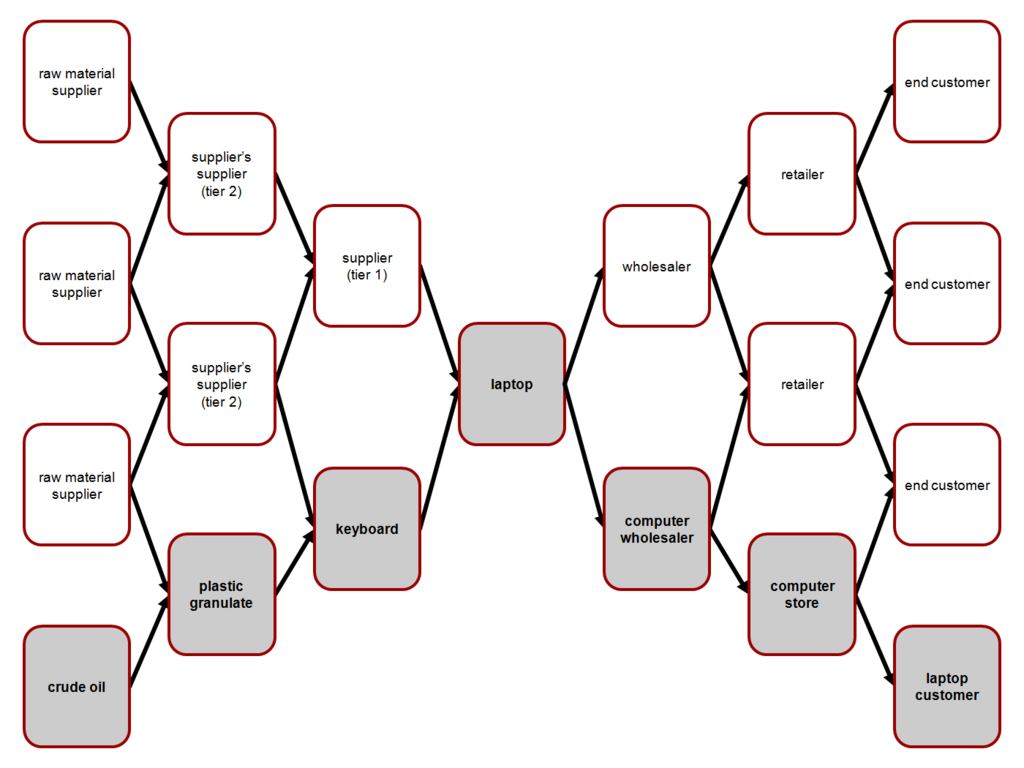
A supply chain is the entire journey a product takes, from raw materials to production and finally into a customer's hands. Demand forecasting is the engine that drives this entire process. It's the first step that sets everything else in motion.
An accurate forecast allows a company to make smarter decisions at every stage. It tells the purchasing department how much raw material to order. It helps the factory manager schedule production runs and staff shifts. It informs the logistics team how much warehouse space is needed and what the shipping schedule should look like. Without a solid forecast, the entire supply chain is just guessing.
What Drives Demand?
Demand isn't random. It's influenced by a variety of factors that can often be tracked and anticipated. Understanding these drivers is key to building an accurate forecast. The main influences fall into a few broad categories.
Seasonality: This refers to predictable, repeating patterns tied to a specific time of year. The most obvious examples are holiday-related. Demand for turkeys spikes in November and December in the U.S., while demand for winter coats rises as the weather gets colder. It's not just about holidays or weather; back-to-school season drives sales of notebooks and backpacks every year.
Market Trends: These are broader shifts in consumer preferences that are not tied to a specific season. A new technology might create demand for a whole new category of products, like when smartphones first appeared. A popular movie can suddenly increase demand for related merchandise. These trends can be short-lived fads or long-term changes in the market.
Consumer Behavior: This category covers how customers react to specific actions or economic conditions. A big sale or promotion will likely cause a temporary spike in demand. On the other hand, a downturn in the economy might cause people to buy fewer luxury goods. Companies also look at competitor pricing, as a price drop from a rival can directly impact their own sales.
Time to check your understanding of these core ideas.
What is the primary purpose of demand forecasting in a business?
If a company significantly overestimates demand for its product, what is a likely negative consequence?
By understanding what demand forecasting is and what influences it, businesses can move from reacting to problems to proactively planning for success. It’s a fundamental tool for efficiency and growth.