Degree vs Bootcamp ROI
Understanding ROI
What Is Return on Investment?
Think of any investment, like buying a house or stocks. You put money in, hoping to get more money out. Return on Investment, or ROI, is simply a way to measure how successful that investment was. It compares the financial gain to the initial cost.
Applying this to education helps you see it as a financial decision, not just a personal one. You invest time and money into a degree, a certification, or a bootcamp. The “return” is the increase in your earnings over your career because of that education.
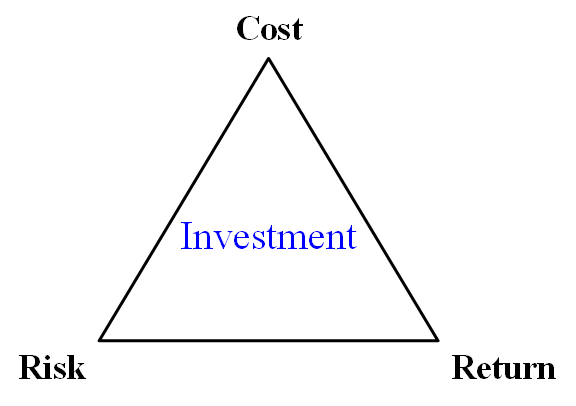
Calculating ROI gives you a concrete number to compare different educational paths. It helps answer the question: Is the financial benefit of this program likely to outweigh its cost?
The Basic ROI Formula
To calculate ROI, you need two key pieces of information: how much you gained and how much you spent. The formula takes the net gain (gain minus cost), divides it by the original cost, and expresses the result as a percentage.
A positive ROI means your gains were greater than your costs. A negative ROI means the opposite. The higher the percentage, the better the financial return on your initial investment.
What Goes into the Calculation?
Figuring out the ROI for education isn't as simple as it is for a stock. The numbers you use can change the result significantly. It’s important to think carefully about what you include.
For education, the 'Net Gain' is typically the increase in salary you earn after completing a program, measured over a specific period.
The 'Cost of Investment' is more than just tuition. It should include all related expenses:
- Tuition and fees: The sticker price of the program.
- Books and supplies: Textbooks, software, and other required materials.
- Living expenses: If you have to move or can't work while studying, these costs count.
- Opportunity cost: The income you gave up by being in school instead of working.
The time frame you use also matters. A return calculated after one year will look very different from one calculated after ten years. A longer time frame usually gives a more complete picture of an education's value.
Let's put this into practice.