Degree vs Bootcamp ROI Showdown
Understanding ROI
What Is Return on Investment?
Return on Investment, or ROI, is a simple way to measure how much you gain from an investment compared to what it cost. Think of it like buying a high-quality coffee machine. If you spend $200 on the machine but save $500 a year by not buying coffee out, your return is significant. ROI puts a number on that value.
Return on Investment (ROI)
noun
A performance measure used to evaluate the efficiency or profitability of an investment. It directly compares the amount of return on a particular investment, relative to the investment's cost.
In education, the investment is the money and time you put into a degree or certification program. The return is the increase in your earnings and career opportunities that result from that education. It helps answer the fundamental question: Was it worth it financially?
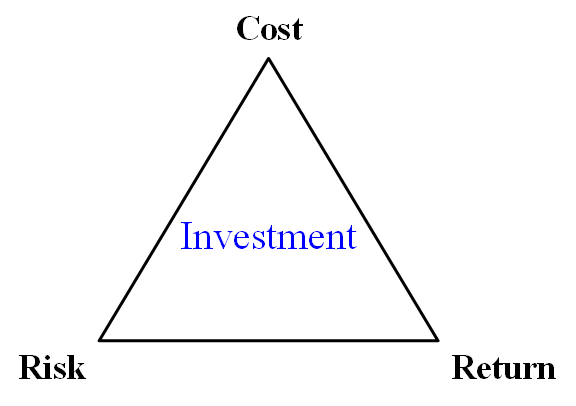
The Basic Formula
Calculating ROI helps turn a vague sense of value into a concrete figure. The standard formula is straightforward.
Let's break down the terms in an educational context:
-
Financial Gain: This is the extra income you earn over a period thanks to your new qualification. It’s not your total salary, but the increase compared to what you would have earned without the degree or certificate.
-
Cost of Investment: This is the total amount you spent to get the education. It includes tuition, fees, books, and other direct costs.
A positive ROI means your educational investment is paying for itself and then some. A negative ROI suggests the financial cost outweighed the monetary gain.
Factors That Shape ROI
The ROI of an educational program isn't a fixed number. It's influenced by several key factors that can vary dramatically from person to person and program to program.
Program Costs: The most obvious factor is the price tag. This includes tuition, fees, books, and supplies. A more expensive program requires a higher financial gain to achieve a good ROI.
Opportunity Cost: This is a hidden but significant cost. It’s the money you could have been earning if you were working instead of studying. For someone leaving a full-time job to go back to school, this can be a substantial part of the total investment.
Potential Salary: The most important factor on the “gain” side of the equation is your post-graduation salary. This is heavily influenced by your field of study, the demand for your skills, your location, and the overall economy. Researching typical starting salaries for graduates of a program is crucial.
Time to Graduation: The longer a program takes, the higher the opportunity cost and potentially the direct costs. A shorter program allows you to start earning a higher salary sooner, which can boost your ROI.
Employment Rate: A degree is only valuable if you can get a job with it. The employment rate for a program’s graduates tells you how likely you are to secure a position and begin earning a return on your investment.
To think about your return on investment, you want to look at what you spend - the cost of tuition, room, board, and more, and then compare it to what you have the potential to earn.
Thinking about these factors helps you move beyond just the sticker price of a program. It encourages a more holistic view of the financial implications of your educational choices.
What is the primary purpose of calculating Return on Investment (ROI) for an educational program?
When calculating the ROI of education, "Financial Gain" refers to the total salary you earn after graduating.
Considering ROI is a practical step in planning your educational journey. It frames your education not as an expense, but as one of the most important financial investments you'll ever make.