Degree vs Bootcamp ROI Showdown
Understanding ROI
What Is Return on Investment?
Return on Investment, or ROI, is a simple way to measure how much you gain from something you put money into. Think about buying a fancy espresso machine for $500. If it saves you $1,000 in coffee shop visits over a year, you've made a good investment. Your return is the $1,000 you saved, and your investment was the $500 cost.
Education works the same way. When you pay for a degree, certificate, or bootcamp, you're investing in yourself. You spend time and money now with the expectation that it will pay off later, usually through a better job or a higher salary. ROI helps you measure that payoff and compare different educational options.
Calculating ROI
The basic formula for ROI is straightforward. You take the net gain from your investment, divide it by the cost of the investment, and then multiply by 100 to get a percentage.
In education:
- Cost of Investment is the total amount you spend. This includes tuition, fees, books, and other supplies. You might also include the wages you could have earned if you weren't studying (this is called opportunity cost).
- Net Gain from Investment is the extra money you earn over your career because of your education, minus the initial cost.
Let’s imagine a program costs 💲40,000. After graduating, you earn an extra 💲15,000 per year. Over a 30-year career, that's an additional 💲450,000 in earnings. Your net gain is 💲450,000 - 💲40,000 = 💲410,000. The ROI would be (💲410,000 / 💲40,000) x 100% = 1,025%.
Factors Affecting ROI
Calculating a precise ROI for education is tricky because many factors are at play. The final number depends on a mix of personal choices and market forces.
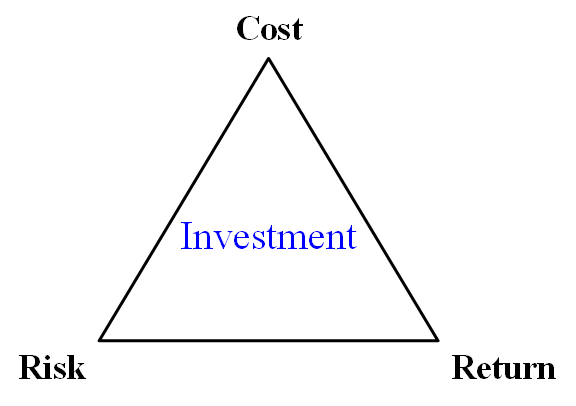
Key factors include:
- Field of Study: Some fields, like technology and healthcare, often lead to higher starting salaries and have greater demand, resulting in a faster and higher ROI.
- Type of Institution: The cost can vary dramatically between a public university, a private college, and an online bootcamp.
- Program Duration: A shorter program means you start earning a higher salary sooner and have less opportunity cost from lost wages.
- Location: Job market conditions and the cost of living in your area will impact your salary and, therefore, your return.
Tangible vs. Intangible Returns
ROI isn't just about money. Education provides benefits that are harder to measure but just as valuable. These are often split into two categories.
| Tangible Returns | Intangible Returns |
|---|---|
| Higher salary | Personal growth & confidence |
| Signing bonuses | Professional network |
| Better benefits (healthcare, retirement) | Critical thinking skills |
| Increased lifetime earnings | Greater job satisfaction |
Tangible returns are the measurable financial gains. They are the easiest to plug into the ROI formula. Intangible returns are the personal and professional skills, connections, and fulfillment you gain. While you can't put a dollar amount on them, they contribute significantly to your career success and overall happiness.
While ROI is a critical consideration, it shouldn’t be the only factor guiding your choice.
Understanding both types of returns gives you a more complete picture of an education's true value.
Ready to check your understanding?
What is the basic formula for calculating Return on Investment (ROI)?
In the context of educational ROI, the salary you could have earned if you were working instead of studying is known as what?
Thinking about ROI helps you treat your education as the serious investment it is, guiding you toward choices that align with your financial and personal goals.