Degree vs Bootcamp ROI
Understanding ROI
What's the Payoff?
Choosing an educational path is a big investment, not just of your time and effort, but also of your money. Like any investment, you want to know if it's going to be worth it. That's where the concept of Return on Investment, or ROI, comes in. It's a straightforward way to measure the financial gain you can expect from your educational spending.
Return on Investment
noun
A performance measure used to evaluate the efficiency or profitability of an investment. It directly measures the amount of return on a particular investment, relative to the investment's cost.
Think of it like this: if you spend money to open a lemonade stand, the ROI tells you how much profit you made compared to what you spent on lemons, sugar, and signs. In education, the 'profit' is the increase in your earnings, and the 'cost' is everything you spent on tuition, books, and other expenses.
Calculating Your Return
Calculating ROI helps you compare different options with a clear, financial lens. It transforms a tough decision into a numbers game. Is a four-year degree a better bet than a six-month certification? ROI can help you find out.
The basic formula is simple. You take the net gain from your investment, subtract the initial cost, and then divide by that same cost. The result is usually expressed as a percentage.
Let’s break that down:
- Net Gain: This is the financial benefit you get from your education. The most common way to measure this is the increase in your salary after completing a program.
- Cost of Investment: This is the total amount you spent to get that education. It includes tuition, fees, books, and any other required materials.
To think about your return on investment, you want to look at what you spend - the cost of tuition, room, board, and more, and then compare it to what you have the potential to earn.
For example, imagine a certificate program costs $5,000. After completing it, you get a job that pays $15,000 more per year than your old one. Your ROI for the first year would be:
($15,000 - $5,000) / $5,000 = 2
To get the percentage, you multiply by 100. So, your ROI is 200%. This means you earned back your initial investment twice over in the first year alone.
Factors That Shape Your ROI
The ROI calculation seems simple, but several factors can influence the final number. It's not just about tuition and your future salary.
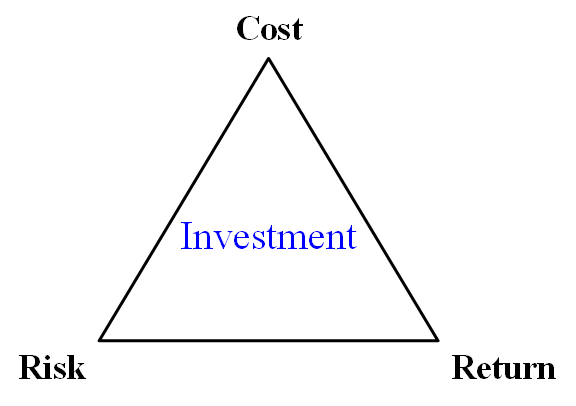
The total cost of your investment is more than just the sticker price of tuition. You also need to account for living expenses if you have to relocate, the cost of books and supplies, and potentially the income you're not earning while you study (this is called opportunity cost).
Here's a look at some common costs and gains to consider:
| Costs (Investment) | Gains (Return) |
|---|---|
| Tuition and fees | Higher salary |
| Books and supplies | Signing bonuses |
| Living expenses | Better benefits (health, retirement) |
| Lost wages (opportunity cost) | Career advancement opportunities |
The duration of the program also plays a big role. A shorter program means you start earning a higher salary sooner, and you have fewer years of lost wages to account for. On the other hand, a longer, more in-depth program might lead to a much higher salary bump in the long run.
Finally, potential earnings are a huge variable. This depends on the industry you enter, the demand for your new skills, your location, and the overall state of the economy. Researching average salaries for graduates of a specific program is a key step in estimating your potential ROI.
What is the primary purpose of calculating the Return on Investment (ROI) for an educational path?
A certification program costs 12,000. What is the ROI for the first year?
Understanding these factors gives you a powerful framework for making smarter decisions about your educational future.