Degaseter Civil Engineering Management Fundamentals
Introduction to Civil Engineering Firms
The Blueprint of a Firm
Civil engineering firms are the engines that build our modern world. They take complex ideas for bridges, roads, dams, and buildings and turn them into tangible realities. At its core, a firm is an organized group of experts—engineers, designers, planners, and managers—all working toward a common goal: creating the infrastructure that supports our daily lives.
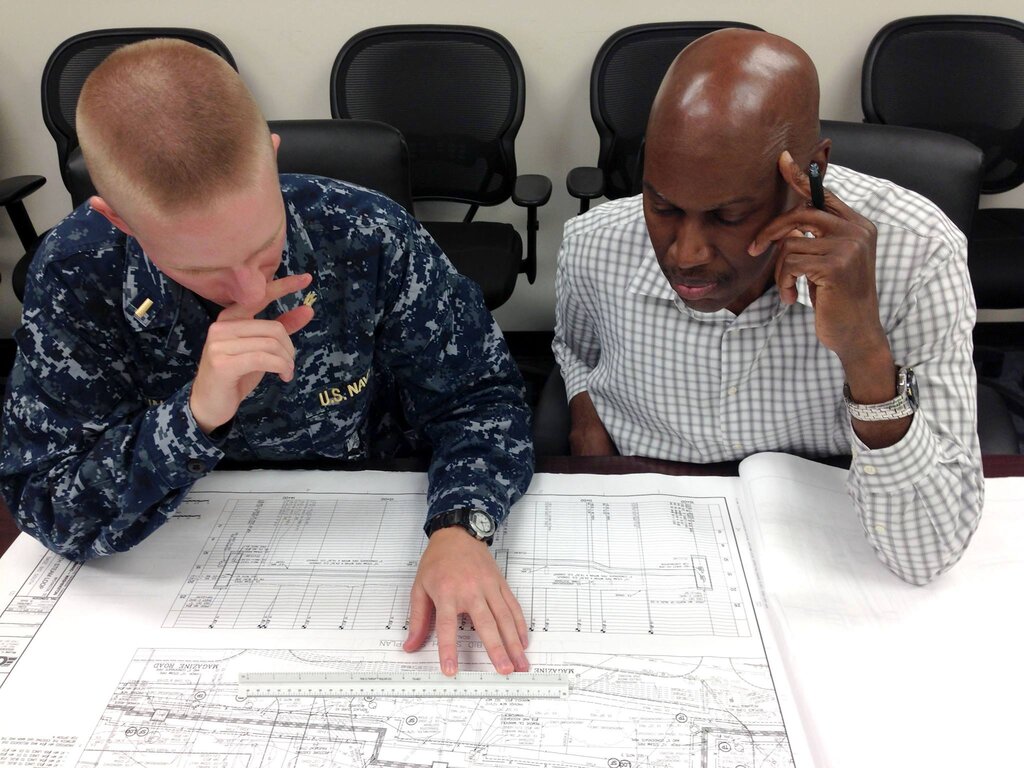
To tackle projects of immense scale and complexity, these firms need a solid structure. Think of it like a detailed blueprint for the company itself. Each part has a specific function, and they must all fit together perfectly for the project to succeed. This organization ensures that every detail, from the initial sketch to the final rivet, is handled by the right people at the right time.
The Core Departments
While firms vary in size and specialty, most are built around a few key departments. Each one handles a critical piece of the puzzle.
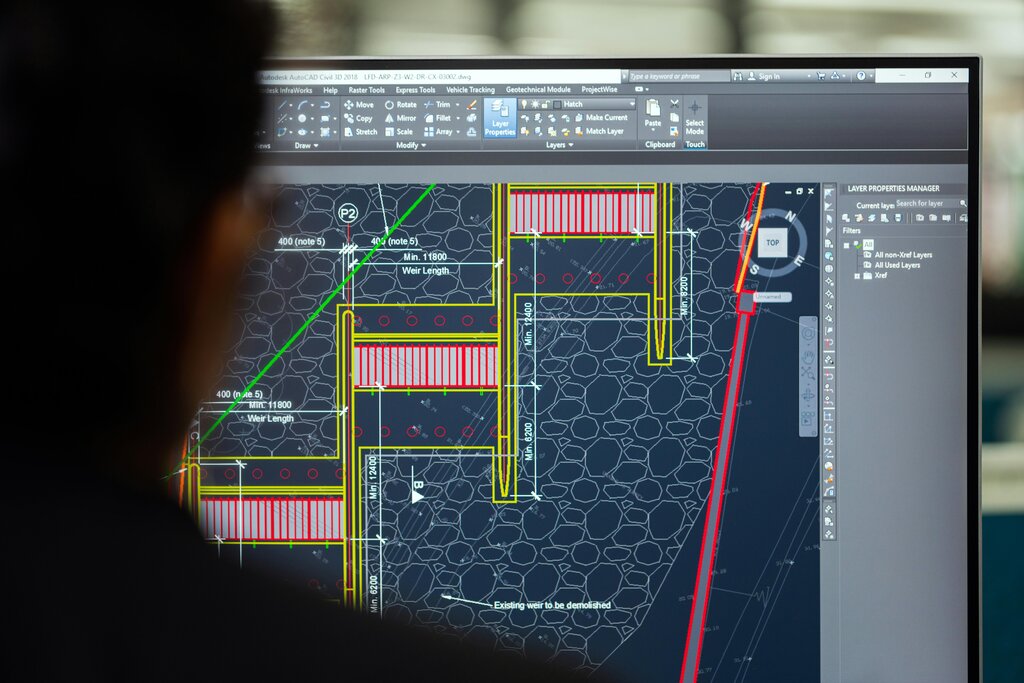
The Design Department is where the vision takes shape. This team is filled with engineers and drafters who create the detailed plans and specifications for a project. Using advanced software, they model every aspect of the structure, ensuring it is safe, efficient, and meets all requirements. They are the architects of the infrastructure.
The Project Management Department acts as the central nervous system. These professionals are responsible for keeping the entire project on track. They manage budgets, schedules, and resources, ensuring that milestones are met and obstacles are overcome. They are the primary point of contact for the client and facilitate communication between all other teams.
Finally, the Construction Department brings the blueprint to life. This team works on-site, overseeing the physical building process. They manage crews, operate heavy machinery, and ensure the structure is built exactly to the design specifications. They are the builders who work in the field, turning plans into physical reality.
There are two types of civil engineering roles within the various specialisms: consultants who focus on design work and generally spend more time in the office or working with clients, and contractors who are more involved with keeping an eye on the physical construction and are usually based on-site.
Working in Harmony
No single department can complete a project alone. Success hinges on seamless collaboration. The process is a continuous loop of communication and feedback, not a simple handoff from one team to the next.
For example, the construction team might discover an unexpected issue with the ground conditions on site. They immediately relay this information to project management, who then works with the design department to revise the plans. This adaptability is crucial for navigating the real-world challenges of building complex infrastructure.
This constant interplay ensures that projects are not only completed, but are also safe, efficient, and built to last. The work of civil engineering firms shapes the world around us, from the clean water we drink to the roads we travel on. Their ability to organize and collaborate is what makes modern society possible.
What is the primary role of a civil engineering firm?
Which department is described as the 'central nervous system' of a project, responsible for managing schedules, budgets, and communication?