Defining Your Learning Journey
Understanding Learning Objectives
What Are Learning Objectives?
A learning objective is a clear statement of what you will be able to do at the end of a lesson, course, or any educational experience. Think of it as a destination on a map. Before you start a journey, you need to know where you're going. Learning objectives provide that direction.
They turn a vague goal like "get better at writing" into a concrete target, such as "write a five-paragraph essay with a clear thesis statement." This focus helps both learners and instructors stay on the same page, ensuring that time and effort are spent on what truly matters.
A learning objective is an outcome statement (one sentence) that describes specifically the knowledge, skills, or attitudes a learner should exhibit after experiencing instruction.
Without clear objectives, learning can feel aimless. You might pick up interesting facts, but it's hard to know if you're building a coherent skill or understanding. Well-defined objectives act as a guide, providing a roadmap for your learning journey and a clear way to see your progress.
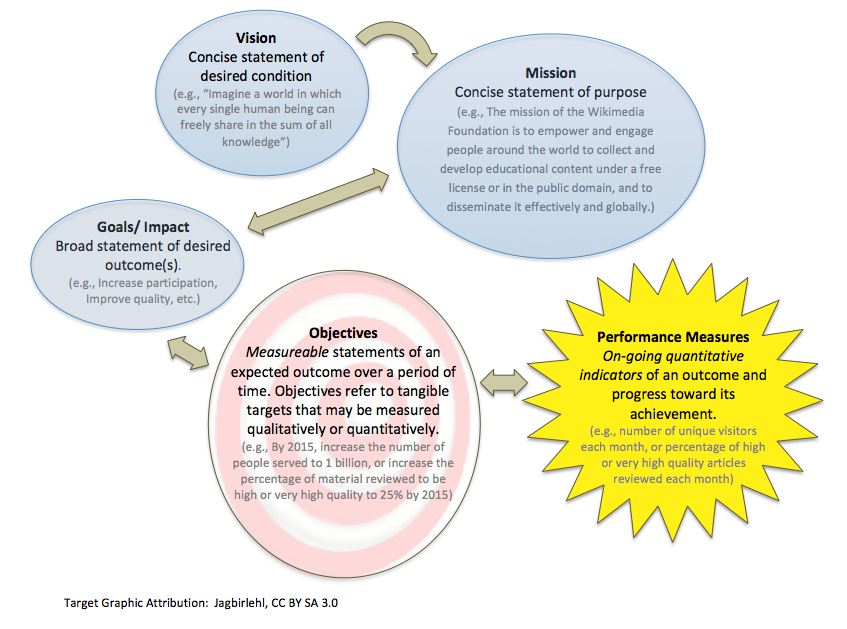
The Makings of a Good Objective
Effective learning objectives share a few key characteristics. They are specific, measurable, and focused on the learner's actions.
First, they are specific. Vague verbs like "know," "understand," or "learn" are red flags. Why? Because you can't easily observe or measure them. How do you prove you "understand" something? A strong objective uses action verbs that describe a demonstrable skill. Instead of "understand photosynthesis," a better objective is "explain the process of photosynthesis."
Second, they are measurable. You should be able to clearly determine whether you have met the objective. If the objective is to "list the three branches of the U.S. government," you can easily check if you've done it correctly. This provides a clear benchmark for success.
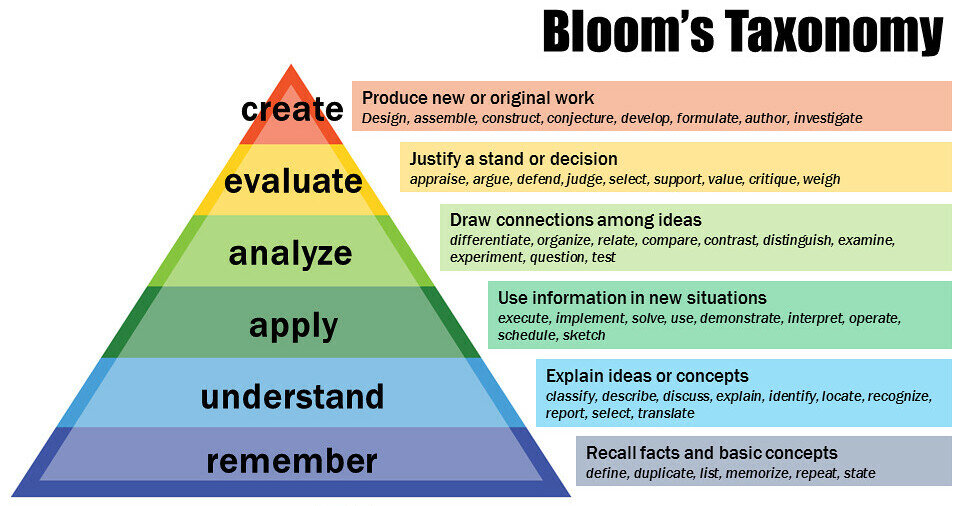
Finally, a good objective is learner-centered. It describes what the learner will be able to do, not what the instructor will teach. This shifts the focus from the act of teaching to the outcome of learning.
From Vague to Actionable
Seeing examples is the best way to grasp the difference between a vague goal and a clear learning objective. Notice how the weak examples use fuzzy terms, while the strong ones use specific action verbs.
| Vague Goal | Strong Learning Objective |
|---|---|
| Learn about personal finance. | Create a monthly budget that tracks income and expenses. |
| Understand the human heart. | Label the four chambers of the human heart on a diagram. |
| Appreciate poetry. | Identify the rhyme scheme and meter in a sonnet. |
| Become a better photographer. | Adjust aperture and shutter speed to correctly expose a photo. |
Each of the strong objectives gives you a clear, actionable task. You know exactly what's expected, and you can easily tell when you've accomplished it.
By setting and focusing on clear learning objectives, you give yourself a powerful tool. You create a direct path to your goals, making your learning process more efficient, motivating, and ultimately more successful.