DeFi Leveraged Trading Mastery
Introduction to DeFi
What Is Decentralized Finance?
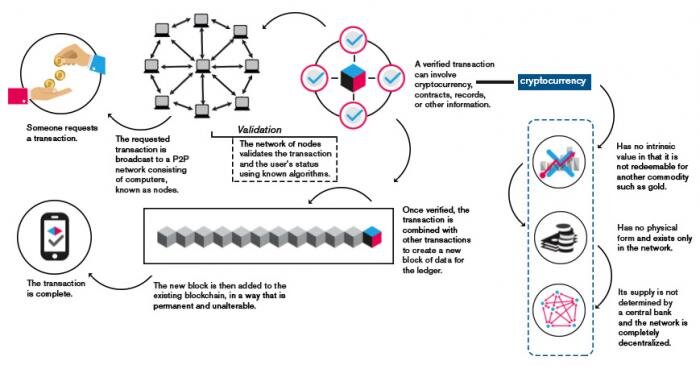
Decentralized Finance, or DeFi, is a new financial system built on blockchain technology. Think of it as taking the services you get from a bank—like lending, borrowing, and trading—and rebuilding them without the bank in the middle. Instead of relying on a central institution, DeFi uses code.
The goal of DeFi is to create a financial system that is open, transparent, and accessible to anyone with an internet connection.
This system operates on a few core principles:
- Decentralization: No single company or person is in charge. Instead, the network is maintained by a global community of users.
- Transparency: Every transaction is recorded on a public ledger, the blockchain. Anyone can view this activity, which creates a high level of accountability.
- Permissionless Access: You don't need to apply or get approved to use DeFi services. If you have a crypto wallet and an internet connection, you can participate.
DeFi vs. Traditional Finance
So how does this new system stack up against the one we're used to? Traditional finance (often called TradFi) relies on intermediaries like banks, brokerages, and exchanges to function. These institutions act as trusted third parties, but they also introduce inefficiencies, costs, and barriers to access.
DeFi replaces these intermediaries with automated programs called smart contracts. These contracts are self-executing agreements with the terms written directly into code. Once a smart contract is deployed on the blockchain, it runs exactly as programmed without any possibility of downtime, censorship, or third-party interference.
| Feature | Traditional Finance (TradFi) | Decentralized Finance (DeFi) |
|---|---|---|
| Control | A bank or institution holds your funds. | You have full control of your own assets. |
| Access | Requires identity verification; can be denied. | Open to anyone with a crypto wallet. |
| Transparency | Operations are private and internal. | Transactions are publicly viewable on the blockchain. |
| Operations | Human-run, typically during business hours. | Automated by code, running 24/7. |
Key Components
The DeFi ecosystem is built from several interconnected layers, each playing a critical role.
- Blockchain: This is the foundation. Most DeFi applications are built on Ethereum because its programming language allows for the creation of complex smart contracts.
- Cryptocurrency/Assets: These are the assets used within the ecosystem. This includes cryptocurrencies like Ether (ETH) as well as stablecoins, which are tokens designed to hold a steady value (e.g., pegged to the US dollar).
- Smart Contracts (Protocols): These are the rules of the system. Each DeFi application, or protocol, is a set of smart contracts that manage the financial logic for lending, trading, or other services.
- Applications (dApps): This is the user-facing layer. You interact with DeFi protocols through decentralized applications (dApps), which are often web-based interfaces that connect to your crypto wallet.
Benefits and Challenges
DeFi offers some compelling advantages. By removing intermediaries, it can reduce costs and increase efficiency. Its open nature provides financial access to people who may be excluded from the traditional system. Users also maintain custody of their own assets, giving them greater control and security.
However, the space is not without its challenges. Smart contracts can have bugs or vulnerabilities that malicious actors can exploit, leading to a loss of funds. The prices of many crypto assets are highly volatile. The user experience can also be complex for newcomers, and the regulatory landscape is still evolving and uncertain.
Despite these hurdles, DeFi represents a fundamental shift in how we think about finance, prioritizing openness and user empowerment over centralized control.
Now, let's test your understanding of these core DeFi concepts.
What is the primary function of smart contracts in DeFi?
Which of the following is a core principle of DeFi?
Understanding these foundational ideas is the first step into the expansive world of decentralized finance.