DeFi Analyst Role Explained
Introduction to DeFi
What Is DeFi?
Decentralized Finance, or DeFi, is a new financial system built on blockchain technology. Think of it as a collection of financial tools and services that operate without a central authority like a bank or brokerage firm. Instead of relying on these traditional gatekeepers, DeFi uses automated programs called smart contracts to handle transactions directly between users.
DeFi eliminates the need for intermediaries such as banks, brokers, and payment processors, making financial services accessible to anyone with an internet connection.
This means you can lend, borrow, trade, and invest your assets with more control and transparency. The rules are written in code and are visible to everyone. This open approach is a major shift from the closed-off world of traditional finance.
DeFi vs. Traditional Finance
Traditional finance (often called TradFi) has been the backbone of our economy for centuries. It’s built around institutions like banks, which act as trusted third parties. When you send money, apply for a loan, or buy a stock, a bank or another financial company is in the middle, managing the process, keeping records, and charging fees for their service.
DeFi reimagines this entire structure. It replaces the institutions with technology. Instead of a bank approving your loan, a smart contract executes it based on predefined conditions. Instead of a stock exchange matching buyers and sellers, an automated protocol does it on a blockchain.
This difference leads to a few key principles that define DeFi.
The Core Principles
DeFi is built on a set of ideals that make it fundamentally different from the systems we use today. Understanding them is key to grasping its potential.
1. Accessibility: Anyone with an internet connection can access DeFi services. There are no borders, no sign-up forms, and no one to approve or deny your access based on your wealth or location. This is often called being "permissionless."
2. Transparency: Because DeFi runs on public blockchains, all transactions and the rules governing them are open for anyone to see and verify. This is a stark contrast to traditional finance, where many operations happen behind closed doors.
3. User Control: In DeFi, you are the custodian of your own assets. You hold them in a personal digital wallet, and only you can authorize transactions. This principle of self-custody removes the risk of a bank or other institution mismanaging your funds.
4. Composability: DeFi applications are like building blocks. Developers can combine different protocols to create new and innovative financial products. This is often described as "money legos," where existing tools can be snapped together in new ways.
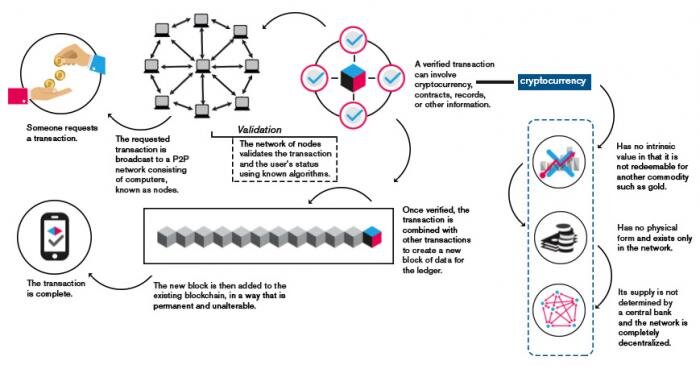
These principles combine to create a financial system that is more open, efficient, and user-centric. By removing intermediaries, DeFi aims to reduce costs and increase the speed of financial operations, from simple payments to complex derivatives trading.
Why Does DeFi Matter?
DeFi isn't just a technological experiment. It has the potential to solve real-world problems. For millions of people around the world without access to traditional banking, DeFi offers a way to participate in the global economy. It can provide access to credit, savings, and investment opportunities that were previously out of reach.
It also introduces a new level of efficiency and competition into the financial industry. By automating processes that once required teams of people, DeFi can lower costs and make financial products more affordable. This shift is already pushing traditional institutions to innovate and adapt.
Ultimately, DeFi represents a move toward a more democratic financial system where individuals have greater control and opportunity.
Ready to check your understanding of these core concepts?
What is the primary technology that enables DeFi to operate without traditional financial intermediaries like banks?
In the context of DeFi, what does the term 'permissionless' mean?
DeFi introduces some new terms and ideas. Let's review them before moving on.
While still a young and evolving field, DeFi's fundamental ideas are reshaping conversations about the future of money and finance.