Defending Against Tenant Lawsuits in Los Angeles
Understanding Tenant Lawsuits
Common Tenant Lawsuits
Being a landlord in Los Angeles comes with specific legal responsibilities. Understanding the most common types of lawsuits tenants file is not about creating fear, but about building awareness. Knowing the rules is the best way to prevent problems, protect your investment, and maintain a positive relationship with your tenants.
Keeping a Livable Home
Under California law, every rental agreement includes an “implied warranty of habitability.” This is a legal promise that the rental unit is safe and livable, whether it's written in the lease or not. A lawsuit can arise when a landlord fails to maintain the property to this standard.
Tenants can sue if they believe their home is uninhabitable and the landlord hasn't made necessary repairs after being notified. These issues must be serious, affecting the tenant's health and safety.
Common habitability claims involve things like a lack of hot water, a broken heater in winter, a severe roof leak, major plumbing blockages, or a serious pest infestation like cockroaches or rodents.
Your primary duty is to respond to repair requests promptly. Documenting all communication and repairs is crucial. If a tenant informs you of a problem, it's your responsibility to address it in a reasonable amount of time.
Respecting Tenant Privacy
Tenants have a right to “quiet enjoyment” of their home. Landlord harassment is any action that persistently disturbs a tenant's peace and comfort or is intended to force them to move out. These actions can lead to lawsuits seeking damages.
Harassment isn't just about arguments. It can include a pattern of behavior, such as entering the property without proper notice, shutting off utilities, or refusing to perform necessary repairs.
| Action | What's Required |
|---|---|
| Entering the Unit | 24-hour written notice is required for non-emergency entry, like for repairs or showings. |
| Emergency Entry | No notice is needed for true emergencies, such as a fire or major flood. |
| Communication | Keep communication professional. Avoid threats or intimidation. |
| Utilities | Never shut off services like water, electricity, or gas to get a tenant to pay rent or move out. |
Ending a Tenancy Lawfully
Wrongful eviction is one of the most serious claims a tenant can make. Eviction is a legal process that must be followed precisely. You cannot simply change the locks, remove a tenant's belongings, or physically force them to leave. These actions are illegal “self-help” evictions and can result in significant penalties.
Los Angeles has strong tenant protections, including the Rent Stabilization Ordinance (RSO) and Just Cause eviction rules, which limit the reasons a landlord can end a tenancy. You must have a valid, legal reason and provide the correct written notice.
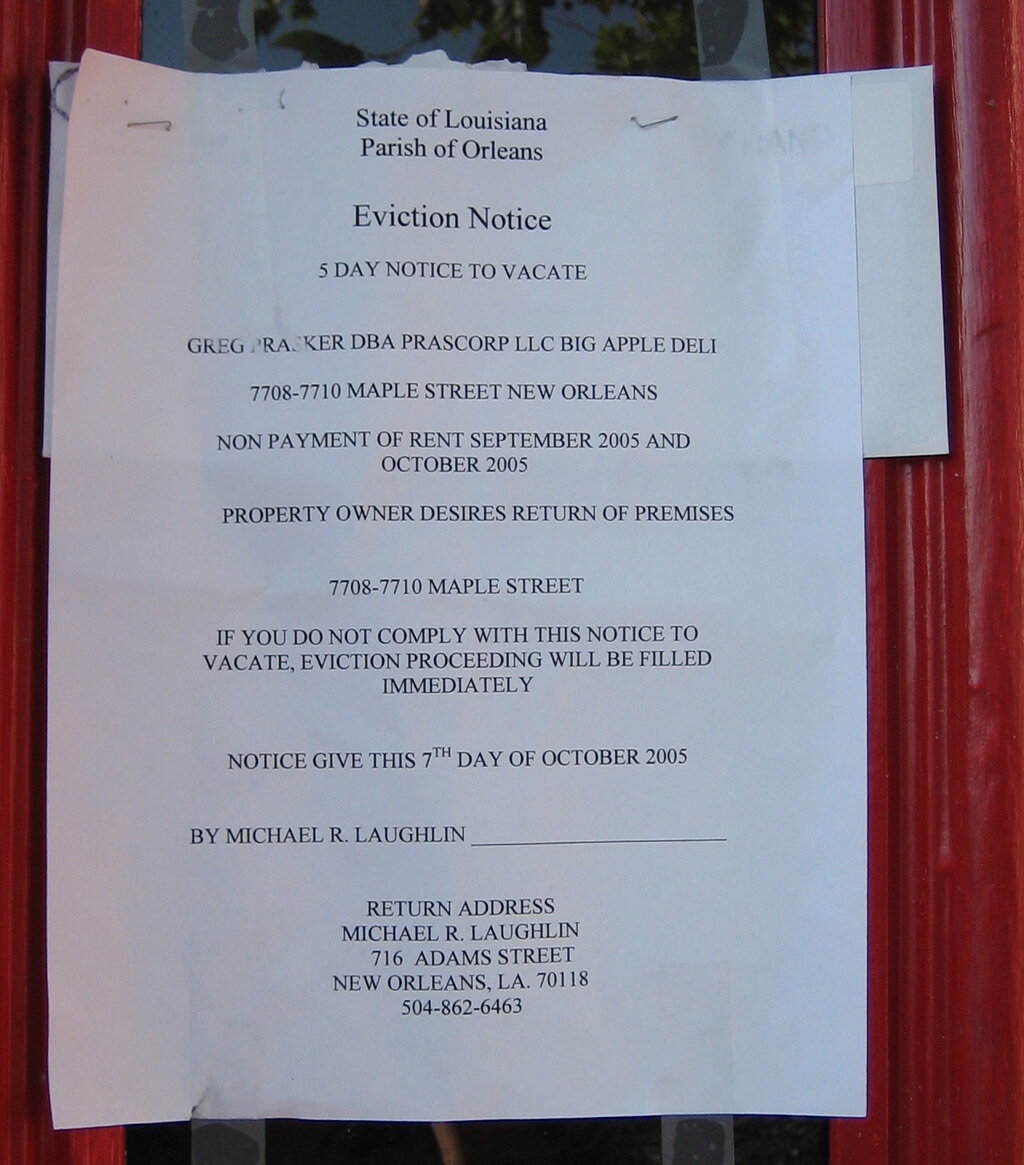
A tenant can sue for wrongful eviction if you try to remove them without a court order or violate local rent control laws. This includes terminating a lease based on false grounds or retaliating against a tenant for exercising a legal right, like requesting a repair.
As a landlord, you have the legal obligation to keep your tenants safe and maintain your property.
Let's check your understanding of these key areas.
Which of the following issues would most likely be considered a breach of the "implied warranty of habitability" in California?
A landlord repeatedly enters a tenant's apartment for non-emergency inspections without providing the legally required 24-hour written notice. This pattern of behavior could be considered what?
Knowing your responsibilities regarding habitability, tenant privacy, and legal eviction procedures is fundamental. It helps ensure you act in compliance with the law, fostering a fair and professional relationship with your tenants.