Deepfake Detection and Misinformation Navigation
Understanding Misinformation
Not All Falsehoods Are Equal
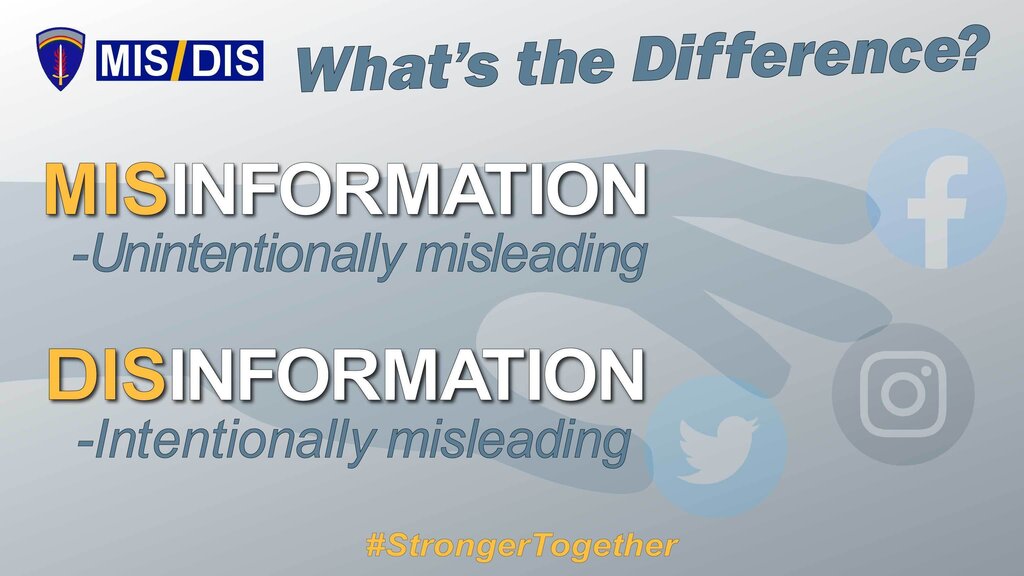
The terms “misinformation” and “disinformation” are often used interchangeably, but they describe two different things. The key difference lies in intent.
misinformation
noun
False information that is spread, regardless of intent to mislead.
Think of misinformation as an honest mistake. Someone shares a story about a celebrity's death that turns out to be a hoax, or posts an old photo from a natural disaster believing it’s from a current event. They aren't trying to trick anyone; they've been tricked themselves and are now spreading the falsehood without realizing it.
disinformation
noun
Deliberately misleading or biased information; manipulated narrative or facts; propaganda.
Disinformation is a weapon. It’s created and shared by people who know it’s false, with the goal of fooling you. Examples include fabricated news articles designed to damage a political candidate's reputation or doctored videos created to incite anger and division. The person spreading it wants to manipulate your thoughts and actions.
A third, less common term is malinformation. This is information that is based on reality, but used out of context to mislead, harm, or blackmail. Think of a private email being leaked to the public to damage someone's reputation. The information is true, but its release is malicious.
Why Our Brains Fall for It
Our brains are built to take shortcuts. When we're scrolling through endless feeds, we don't have time to critically analyze every single post. We often rely on mental shortcuts that can leave us vulnerable to false information.
One of the most powerful is confirmation bias. We tend to seek out and believe information that confirms what we already think. If a headline aligns with our worldview, our brain is quick to accept it as true without much scrutiny.
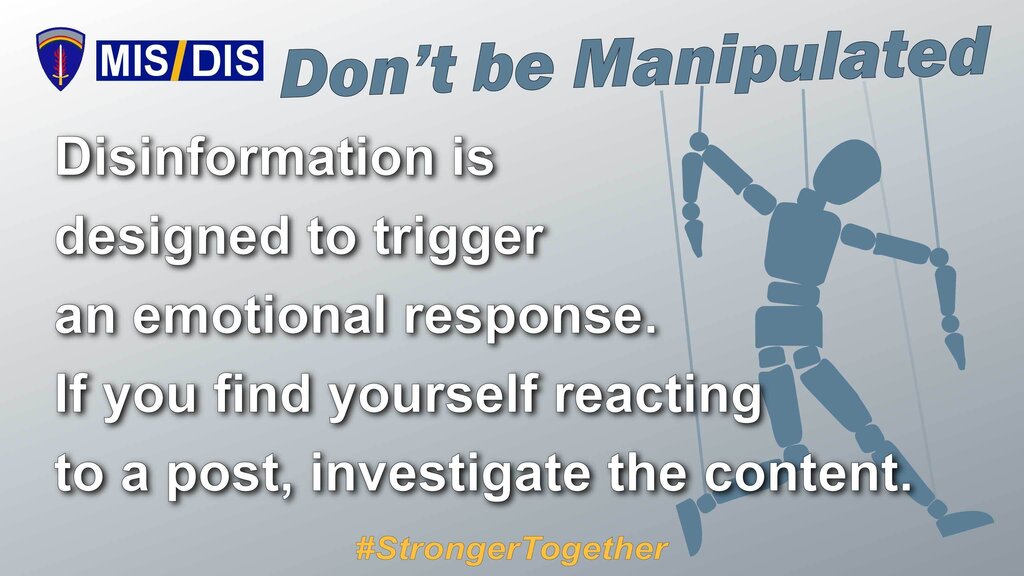
Emotion also plays a huge role. Content that makes us angry, scared, or overjoyed is far more likely to be shared. Creators of disinformation know this and design their content specifically to trigger these strong emotional responses, bypassing our rational thought.
Finally, repetition is a powerful tool. The more we see a claim, even a false one, the more familiar and believable it becomes. This is known as the illusory truth effect. When a piece of disinformation is shared thousands of times, our brains can start to mistake its familiarity for accuracy.
The Ripple Effect
A single piece of false information might seem harmless, but when it spreads, it can have serious consequences for society. Widespread misinformation can erode trust in institutions like science, government, and the media. It creates a world where facts are debatable and objective reality is up for grabs.
On a societal level, this can lead to:
- Public Health Crises: False claims about vaccines or unproven “cures” for diseases can lead people to make dangerous health decisions.
- Political Polarization: Disinformation often thrives by painting the “other side” as evil or foolish, deepening social divides and making compromise impossible.
- Undermining Democracy: Foreign and domestic actors can use disinformation to interfere in elections, suppress voter turnout, and sow chaos.
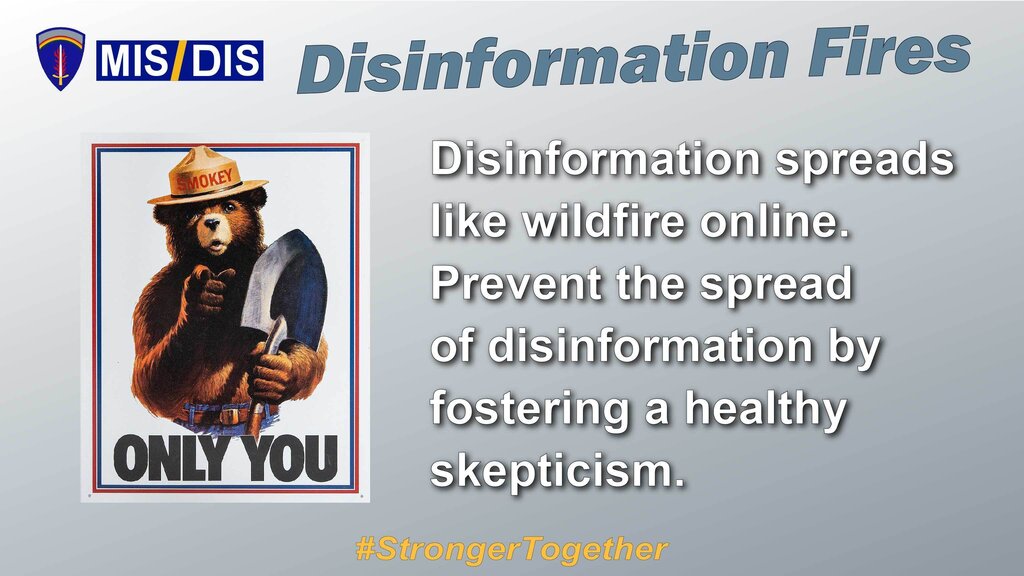
Social media platforms have become the primary battleground. Their algorithms are designed to maximize engagement, which means sensational, emotional, and often false content gets promoted more than calm, nuanced, and factual information. The speed and scale of these platforms allow falsehoods to reach millions of people before they can be corrected.
Now, let's test your understanding of these core concepts.
What is the primary factor that distinguishes disinformation from misinformation?
An online user creates a fake news article with a sensational headline about a political candidate, knowing the information is false, to harm the candidate's campaign. This is an example of...
Recognizing the different types of false information and why we're susceptible to them is the first step toward building a healthier information diet. Now you have a framework for thinking critically about the content you encounter every day.