Deepfake Detection and Misinformation Navigation
Understanding Deepfakes
What Are Deepfakes?
Have you ever seen a video of a celebrity saying something completely out of character, only to find out it wasn't real? If so, you've likely encountered a deepfake. The term is a blend of "deep learning" and "fake," which perfectly describes what it is: synthetic media created using artificial intelligence.
Deepfakes are photos, videos, or audio clips that have been digitally created to show people saying and doing things that never happened.
These aren't just simple edits, like photoshopping a picture. Deepfake technology uses complex AI models, particularly a type called a generative adversarial network (GAN), to learn a person's facial expressions, mannerisms, and voice from existing photos and videos. It then uses that knowledge to create entirely new, fabricated content that can be convincingly realistic.
From Experiment to Everyday
The idea of manipulating images isn't new, but the accessibility and realism of deepfakes are. The technology first gained widespread attention around 2017 when an anonymous Reddit user posted manipulated videos online. Early deepfakes were often grainy and had noticeable glitches, like unnatural blinking or blurry edges around the face.
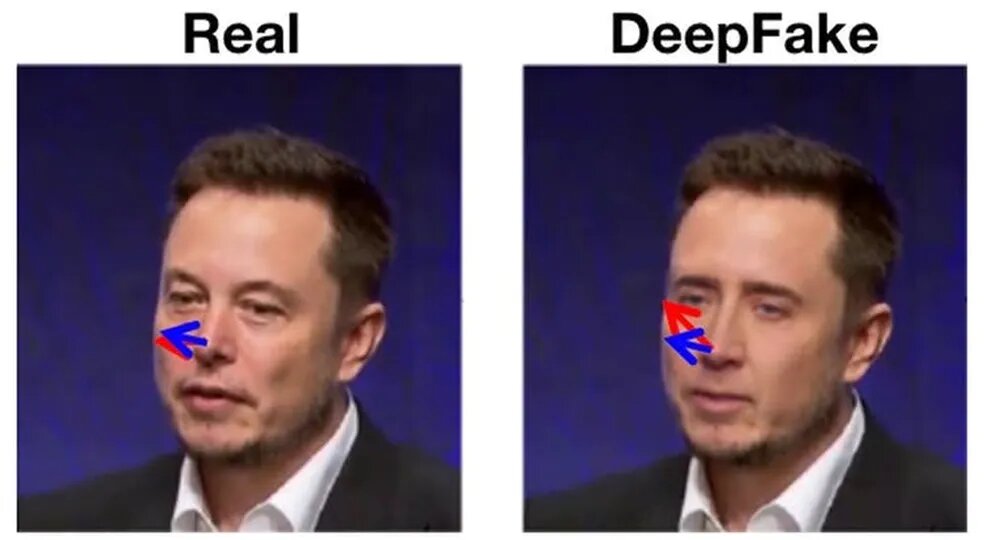
However, AI technology has advanced at a staggering pace. What once required powerful computers and technical expertise can now be done with apps on a smartphone. Today's deepfakes can be incredibly polished, making it difficult to distinguish them from authentic media without close inspection or specialized tools.
Uses and Misuses
Deepfake technology isn't inherently bad. It has several positive and creative applications. In the film industry, it can be used to de-age actors or digitally recreate performers who are no longer alive. It's also used in satire, art, and even education to create engaging historical simulations. For example, a museum could create an interactive exhibit where visitors can ask questions to a deepfake of a historical figure.
However, the potential for misuse is significant and raises serious ethical questions. The same technology can be used to create malicious content with far-reaching consequences.
Deepfakes can be used to create fake celebrity endorsements, manipulate political discourse by putting false words in a candidate's mouth, or generate non-consensual explicit material. The spread of such content can damage reputations, influence public opinion with disinformation, and cause significant personal harm.
The core danger lies in its ability to erode trust. When we can no longer believe what we see and hear, it becomes difficult to agree on a shared reality.
The more insidious impact of deepfakes, along with other synthetic media and fake news, is to create a zero-trust society, where people cannot, or no longer bother to, distinguish truth from falsehood.
This challenge highlights why understanding this technology is so important. Being aware that deepfakes exist is the first step toward critically evaluating the media you consume every day.
Ready to check your understanding?
The term "deepfake" is a combination of which two concepts?
What specific type of AI model is commonly used to create deepfakes by pitting two neural networks against each other?
As AI continues to evolve, the line between real and synthetic will only become blurrier. Staying informed is our best tool for navigating this new digital landscape.