Deepfake Audio Detection
Introduction to Audio Deepfakes
When Hearing Isn't Believing
Imagine you get a phone call. It’s a family member, and they sound panicked. They’re in trouble and need you to wire money immediately. Their voice is unmistakable—it’s the same one you’ve known your whole life. But it’s not them. It’s a fake, generated by a computer.
This is the world of audio deepfakes. Using artificial intelligence, it's now possible to create or alter audio to sound exactly like a specific person. This technology analyzes a person's speech patterns, pitch, and intonation from existing recordings. Then, it uses that information to generate new, synthetic audio that can say anything.
A deepfake is a synthetic audio or video created using deep learning, a type of machine learning that mimics the human brain's ability to process information.
How AI Learns to Talk
The basic principle behind audio deepfakes is machine learning. Think of it like training a masterful impressionist. You'd have them listen to hours of a person's speech, studying every little detail—the way they laugh, their accent, the pauses they take.
An AI model does something similar, but on a massive scale. It processes audio data, learning the unique vocal characteristics of an individual. In the past, this required a huge amount of sample audio. Today, some systems can create a convincing clone with just a few seconds of a person's voice.
Once the AI model is trained, it can be given a script and generate speech that sounds just like the target person saying those words.
More Than Just a Trick
While the potential for misuse is scary, audio deepfake technology also has some amazing positive applications.
In entertainment, it can be used to seamlessly dub films into different languages using the original actor's voice, preserving the performance. Documentaries could feature historical figures
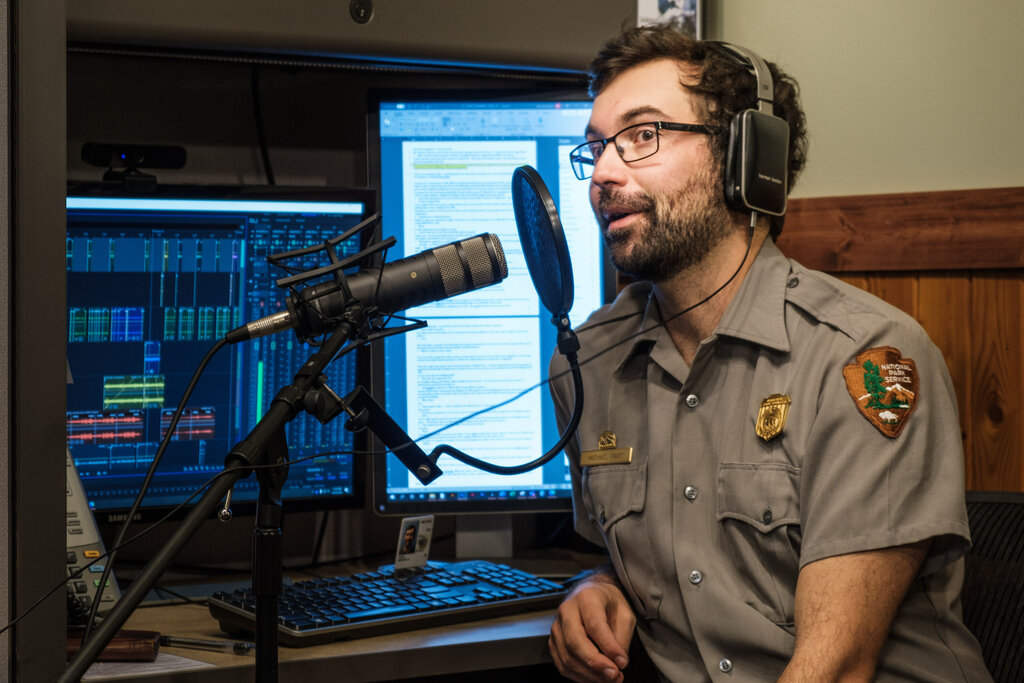
speaking their own words in their own voice. For content creators, like podcasters, it offers a simple way to correct a misspoken word without having to re-record an entire segment.
Perhaps most importantly, this technology offers a voice to those who have lost theirs. People with conditions like ALS, which can lead to loss of speech, can use AI to generate a synthetic version of their own voice, allowing them to communicate with family and friends in a way that feels personal and familiar.
The Dangers of Deception
With great power comes great risk. The same technology that can help people can also be used to harm them. The ethical concerns are significant.
Financial fraud is a major concern. Scammers can use voice clones to impersonate family members in distress or CEOs authorizing large wire transfers. The emotional manipulation of hearing a familiar voice makes these scams incredibly potent.
Misinformation is another huge risk. Imagine a fake audio clip of a political leader appearing to declare war, or a scientist fabricating data. Such deepfakes could be used to manipulate public opinion, swing elections, or even incite violence. On a personal level, they can be used for harassment and bullying, putting words in someone's mouth to damage their reputation.
AI-generated videos and audio are among the hardest forms of fake news to recognize on your own.
Understanding what audio deepfakes are is the first step. As this technology becomes more common, being aware of both its promise and its peril is crucial for everyone.