Deep Learning Fundamentals
Introduction to Deep Learning
What Is Deep Learning?
Deep learning is a specific kind of machine learning that uses artificial neural networks to imitate how the human brain works. The “deep” part of the name comes from the structure of these networks, which have multiple layers stacked on top of each other. Think of it like a team of analysts passing a problem down a line. The first analyst looks at the raw data and picks out the most basic patterns. They pass their findings to the next analyst, who looks for more complex patterns based on what the first one found. This continues down the line, with each layer adding a new level of abstraction and understanding.
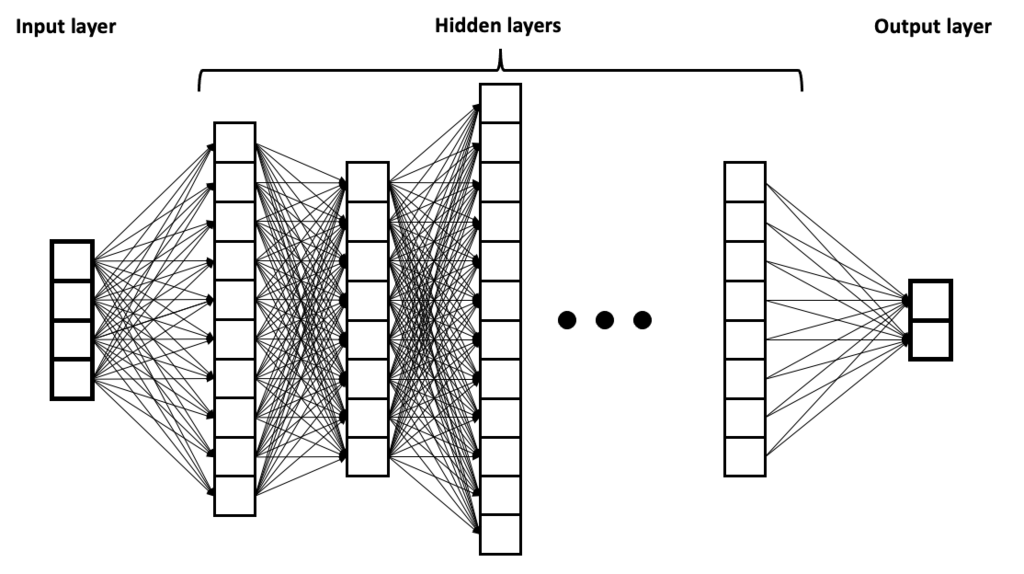
Data flows from an input layer, through these hidden layers, and finally to an output layer that produces a result, like a prediction or a classification. Each layer learns to recognize different features in the data automatically. This ability to self-learn complex features is what makes deep learning so powerful.
Deep Learning vs Machine Learning
While deep learning is a form of machine learning, there's a key difference in how they approach problems. Traditional machine learning often relies on a process called feature engineering. This means a human expert has to carefully select and create the most relevant features from the raw data to feed into the algorithm. For example, to predict house prices, you might manually select features like square footage, number of bedrooms, and location.
In deep learning, the model performs this feature engineering on its own. It takes in raw data and its network of layers automatically identifies the most important features.
Let’s say you want to build a system that identifies cats in photos. With traditional machine learning, a data scientist would have to program the model to look for specific features like pointy ears, whiskers, and slit-like pupils. With deep learning, you simply feed the neural network thousands of labeled cat photos, and it learns the distinguishing features of a cat by itself.
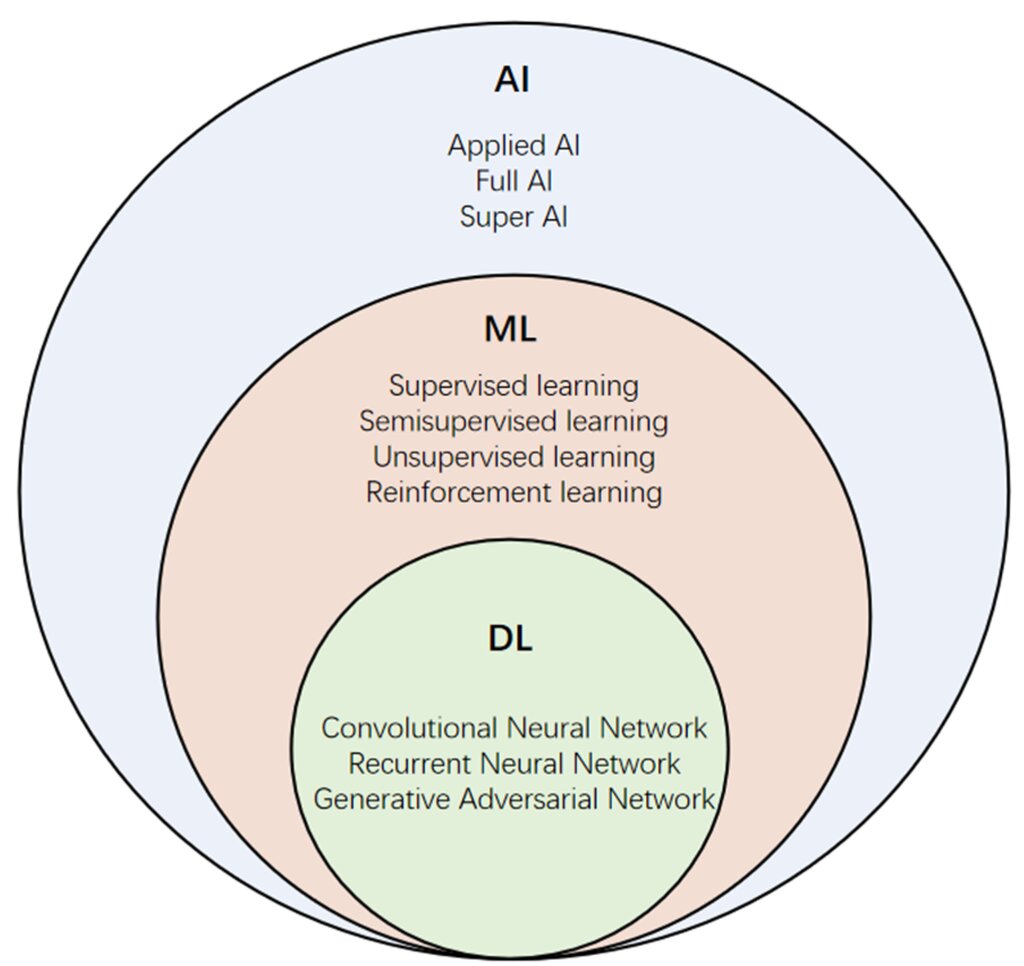
This automated feature extraction makes deep learning incredibly effective for complex tasks involving unstructured data, like images, text, and sound. However, this power comes at a cost. Deep learning models typically require much larger datasets and significantly more computing power to train compared to traditional machine learning models.
| Feature | Traditional Machine Learning | Deep Learning |
|---|---|---|
| Feature Engineering | Manual, requires human expertise | Automatic, learned by the model |
| Data Requirement | Works with smaller datasets | Requires very large datasets |
| Hardware | Can run on standard CPUs | Often requires powerful GPUs |
| Training Time | Relatively short | Can take hours, days, or weeks |
| Best For | Structured data, simpler tasks | Unstructured data, complex tasks |
Where We See Deep Learning
Deep learning is no longer a futuristic concept; it's already integrated into many of the technologies we use every day across various industries.
Self-Driving Cars: Autonomous vehicles use deep learning models to recognize pedestrians, signs, and other cars in real-time, allowing the car to navigate its environment safely.
Virtual Assistants: When you talk to Siri or Alexa, deep learning is what allows the device to understand your natural language and respond appropriately.
Medical Imaging: In healthcare, deep learning algorithms analyze medical scans like X-rays and MRIs to help doctors detect tumors, diseases, and other abnormalities with high accuracy.
Recommendation Engines: Services like Netflix and Spotify use deep learning to analyze your viewing and listening habits. They then predict what you might want to watch or listen to next.
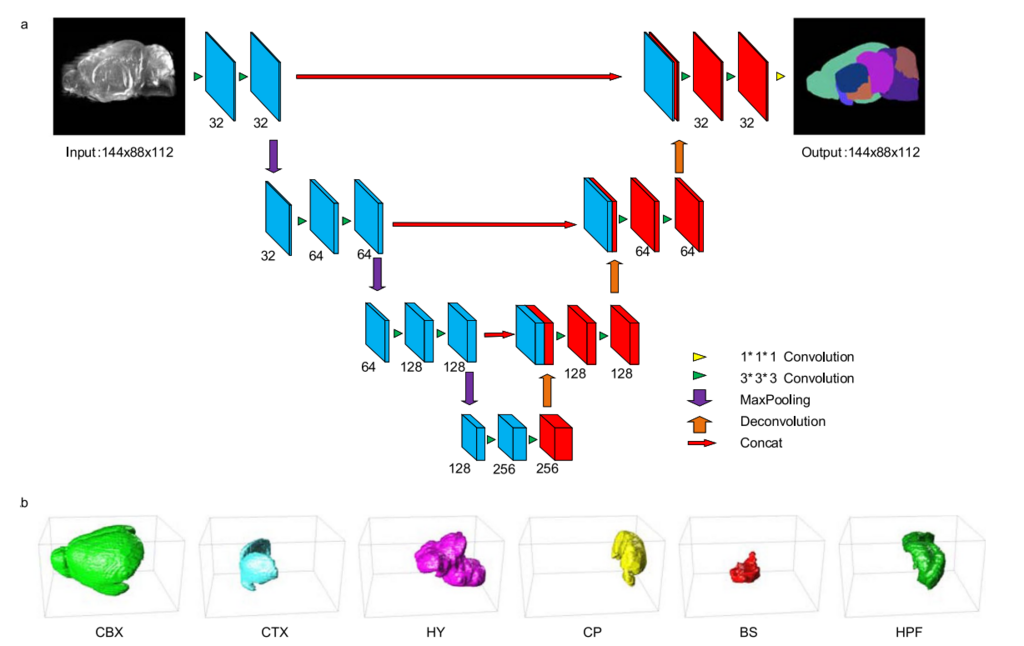
This ability to learn from massive amounts of data is what drives innovation in fields from finance to entertainment. As the amount of data we generate continues to grow, so too will the applications and impact of deep learning.
What does the "deep" in "deep learning" refer to?
What is a key advantage of deep learning over traditional machine learning, as described in the text?