Deep Learning Fundamentals
Introduction to Deep Learning
What Is Deep Learning?
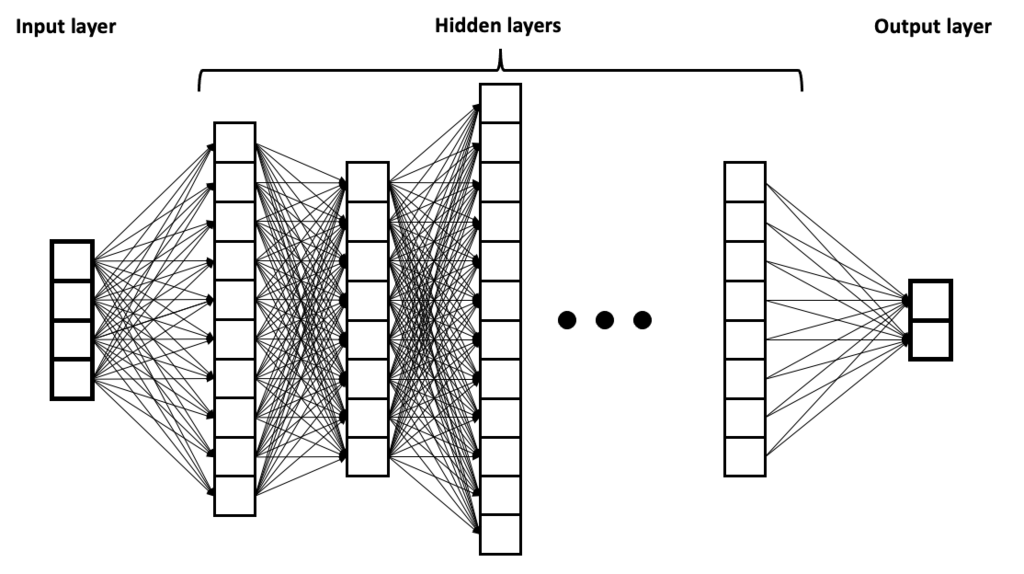
Deep learning is a specific type of machine learning. It's inspired by the structure of the human brain, using artificial neural networks with many layers to process information. Think of it like a series of filters. Each layer learns to detect more complex features, building on what the previous layer found.
The "deep" in deep learning refers to the depth of these layers. More layers allow the network to learn more intricate patterns from the data.
This layered approach places deep learning as a specialized subset within the broader fields of machine learning and artificial intelligence. All deep learning is machine learning, but not all machine learning is deep learning.
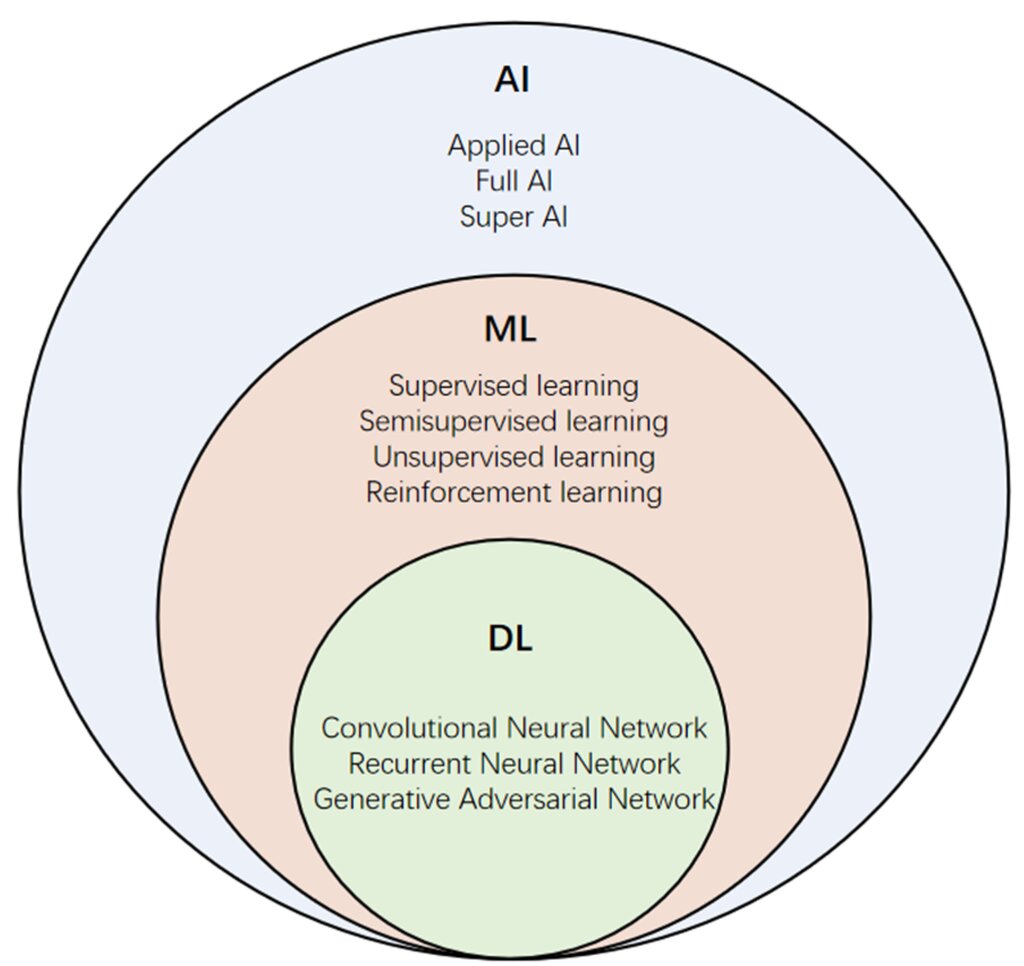
How It Differs From Machine Learning
The biggest difference between deep learning and traditional machine learning lies in how they handle features in data. Features are the individual, measurable properties of whatever is being analyzed.
In traditional machine learning, a programmer must manually identify and code the relevant features. If you wanted to build a program to identify cars, you might tell it to look for wheels, windows, and a metallic shine. This process is called feature engineering, and it requires significant human expertise and effort.
Deep learning models, however, perform automatic feature extraction. You can feed a deep learning network a massive dataset of car images, and it will learn the identifying features on its own. The first layer might learn to recognize simple edges and colors. The next layer might combine those to recognize shapes like circles and rectangles. Subsequent layers might combine those shapes to identify wheels, doors, and eventually, a complete car.
This ability to learn without human-engineered features is what makes deep learning so powerful, especially with the vast, unstructured datasets common today, like images, audio, and text.
Where Deep Learning Shines
Deep learning excels at tasks involving complex pattern recognition, making it the engine behind many modern technologies.
Computer Vision: This is one of the most prominent applications. Deep learning powers facial recognition on your phone, object detection in self-driving cars that helps them identify pedestrians and other vehicles, and medical imaging analysis that can spot tumors in scans.
Conversational AI: When you talk to a virtual assistant like Siri or Alexa, deep learning is at work. It handles speech recognition to understand your words and natural language processing to grasp your intent. It's also the core technology behind real-time language translation tools.
Recommendation Systems: Services like Netflix, YouTube, and Spotify use deep learning to analyze your viewing or listening history. They compare your patterns with millions of other users to predict what you might want to watch, see, or listen to next.
This report was a breakthrough that used convolutional nets to almost halve the error rate for object recognition, and precipitated the rapid adoption of deep learning by the computer vision community.
Deep learning models are also used in drug discovery, financial fraud detection, and creating generative art and music. Because they can learn directly from raw data, they are incredibly versatile.
What is the primary characteristic that distinguishes deep learning from traditional machine learning?
Which statement accurately describes the relationship between Artificial Intelligence (AI), Machine Learning (ML), and Deep Learning (DL)?