Deep Learning From Scratch
Introduction to Deep Learning
What Is Deep Learning?
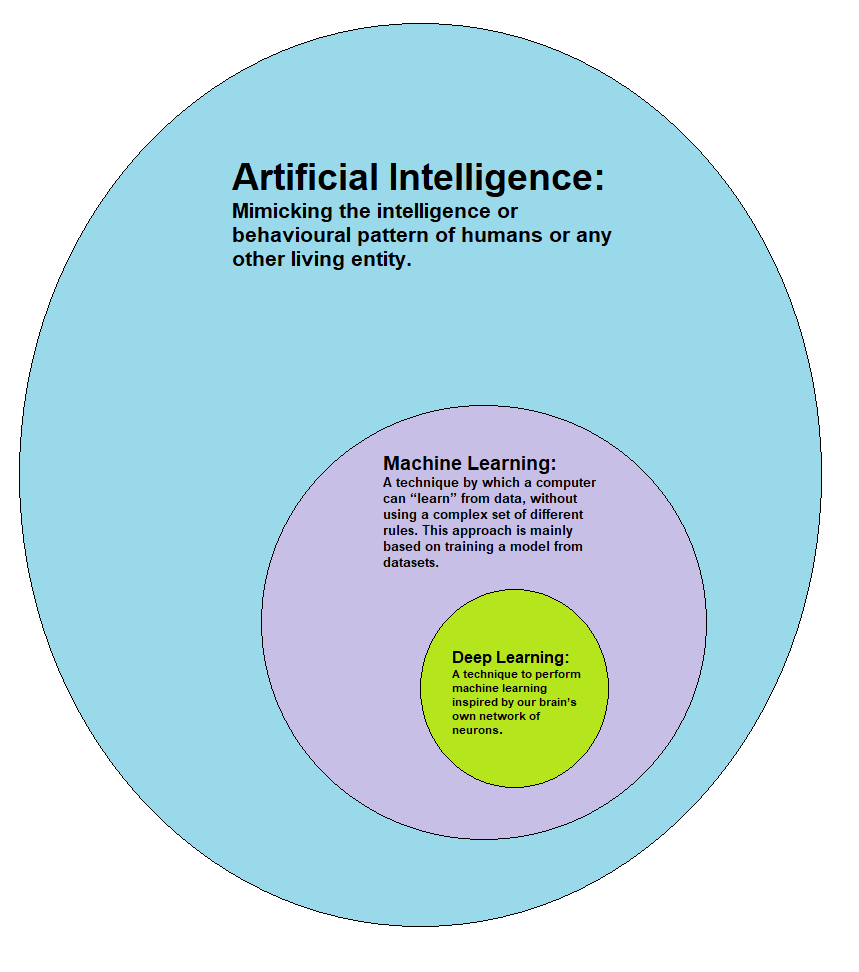
Deep learning is a specific method of machine learning that uses multi-layered artificial neural networks to deliver state-of-the-art accuracy in tasks like object detection, speech recognition, and language translation. Think of it as a way to teach computers to learn by example, but on a massive, complex scale.
The key idea is in the word "deep." A deep learning model processes data through several layers of these neural networks. Each layer builds upon the output of the previous one, identifying progressively more complex features. For example, when analyzing an image of a cat, the first layer might spot simple edges and colors. The next layer might recognize combinations of edges that form shapes like ears or whiskers. A later layer would then combine those shapes to identify a cat. This layered approach allows the model to learn intricate patterns directly from the data.
A Quick Trip Through Time
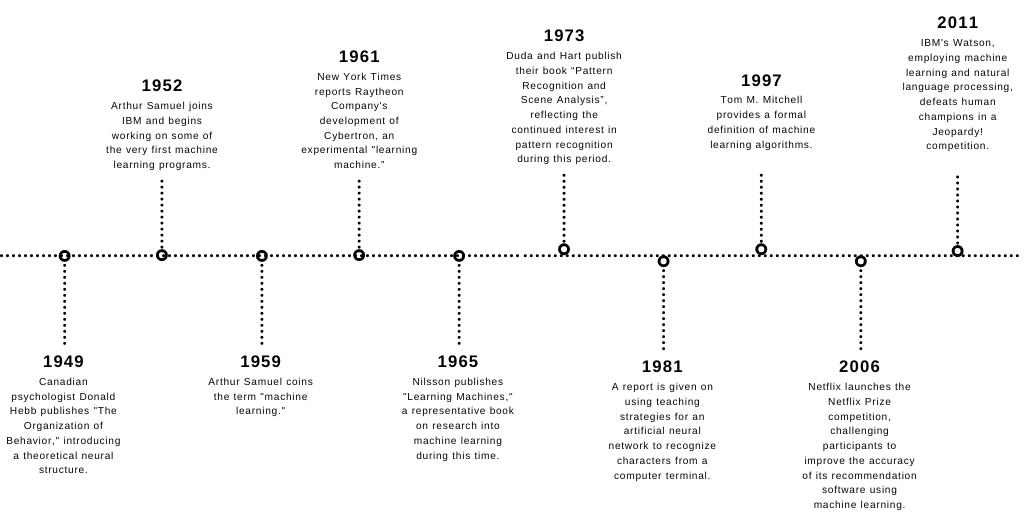
The core concepts behind deep learning aren't new. The idea of artificial neural networks has been around since the 1940s. However, for decades, progress was slow. Researchers faced significant limitations, particularly a lack of sufficient data and the high cost of computing power. This period is often called the "AI winter."
Things started to change dramatically in the 2000s. Two major factors fueled a revolution: the explosion of big data from the internet and the development of powerful, relatively inexpensive graphics processing units (GPUs). GPUs, originally designed for gaming, turned out to be perfect for the kind of parallel computations needed to train deep neural networks. With massive datasets to learn from and the hardware to do it efficiently, deep learning models began achieving breakthrough results, surpassing human performance in some tasks.
How It Differs From Machine Learning
While deep learning is a form of machine learning, it has a key distinction. In traditional machine learning, a significant amount of effort goes into a process called feature engineering. This means a human expert has to carefully select and transform the most important features, or variables, from the raw data and feed them to the algorithm. For example, to predict house prices, you might manually select features like square footage, number of bedrooms, and location.
Deep learning automates this step. Its layered neural networks learn the important features directly from the data. The model itself figures out which features are most important for making accurate predictions, saving enormous amounts of human time and often discovering patterns that humans might miss. This ability to perform automatic feature extraction is one of deep learning's biggest advantages.
| Aspect | Traditional Machine Learning | Deep Learning |
|---|---|---|
| Feature Engineering | Requires manual feature extraction by a domain expert. | Learns features automatically from data. |
| Data Requirement | Can perform well with smaller datasets. | Requires large amounts of data to be effective. |
| Hardware | Can run on standard CPUs. | Often requires powerful GPUs for efficient training. |
| Training Time | Generally faster to train. | Can take hours, days, or even weeks to train. |
| Problem Solving | Good for simpler problems like price prediction or spam detection. | Excels at complex problems like image recognition and NLP. |
Deep Learning in Action
Deep learning is no longer a futuristic concept; it's a technology that powers many services we use daily. It's the engine behind some of the most impressive technological advancements of our time.
Think of virtual assistants like Siri or Alexa. They use deep learning for natural language processing (NLP) to understand your spoken commands and generate human-like responses.
In the automotive industry, deep learning is crucial for self-driving cars. It allows vehicles to identify pedestrians, traffic lights, and other cars in real-time through computer vision. In healthcare, it's used to analyze medical images like X-rays and MRIs, helping doctors detect diseases like cancer with greater accuracy. Streaming services like Netflix use deep learning to power their recommendation engines, analyzing your viewing habits to suggest what you might want to watch next.
Now that you have a solid grasp of what deep learning is and why it's important, let's test your knowledge.
What is the defining characteristic of a “deep” learning model?
Which of the following best describes the key difference between deep learning and traditional machine learning?